
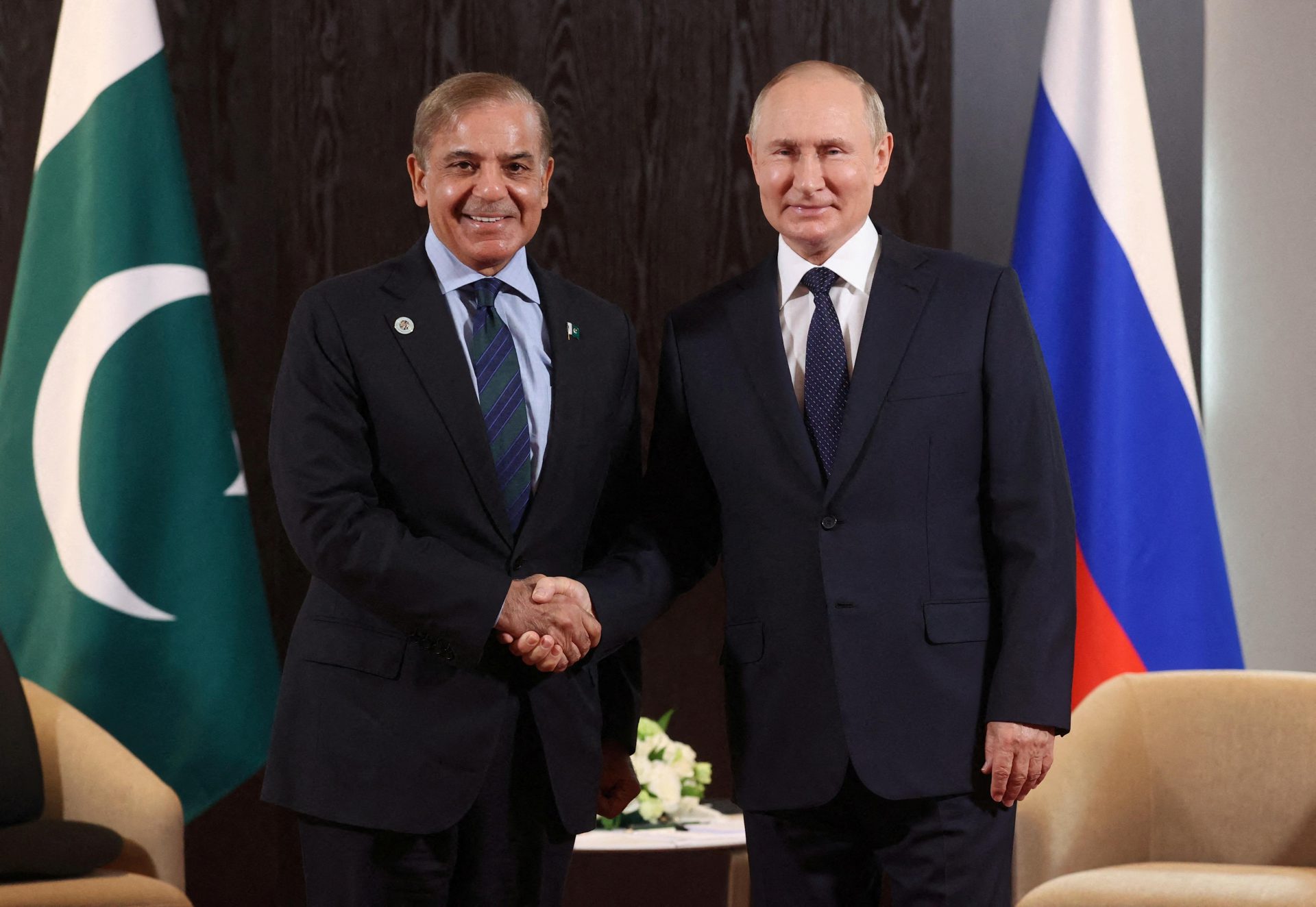

Pakistan is on the brink of a significant economic transition. Alongside the anticipation of the 2024 BRICS summit, its possible inclusion could reshape its economic landscape.
Such a move, backed by Russia, might see Pakistan adopting a new currency, signaling a shift in its global economic alliances.
The BRICS Bloc: Stepping into a New Era
The BRICS economic alliance stands on the brink of a transformative phase with its upcoming 2024 summit. Known for its firm stance against the global dominance of the US dollar, the bloc has been at the forefront of promoting a multi-polar economic order. As part of this mission, BRICS has actively sought to expand its membership, which saw the inclusion of four new countries recently. This move underscores the bloc’s ambition to enhance its global influence and economic clout, positioning itself as a potent force in international economics.
Pakistan’s potential entry into BRICS is more than a regional development. It signifies a broader acceptance and readiness to engage with global shifts in economic paradigms, particularly de-dollarization initiatives. Recently, the bloc has been rigorously developing a blockchain-based payment system aimed at challenging the incumbent financial infrastructures dominated by Western economies. The inclusion of new members like Pakistan, supported by major players such as Russia, highlights a clear trajectory towards restructuring global trade mechanisms.
Pakistan’s Pursuit of BRICS Membership
As Russia extends a supportive hand, Pakistan’s inclination towards joining BRICS becomes evident. For Pakistan, aligning with BRICS represents an opportunity to diversify its economic dependencies. Pakistan’s foreign minister, through discussions with Russian Deputy Prime Minister Alexie Overchuk, has reiterated the country’s aspiration to be part of this influential group. The strategic dialogues between Islamabad and Moscow reflect Pakistan’s calculated ambitions to embed itself within BRICS’ evolving economic framework, fostering closer ties with emerging economies in the process.
Moreover, Pakistan’s integration into BRICS serves as more than a political alliance; it’s an economic strategy to enlarge its financial networks amid challenging geopolitical landscapes. The joint press conference held in Islamabad was a testament to this growing camaraderie. This engagement is not just about fostering bilateral trade but also about forging a cooperative pathway to mutual growth and shared prosperity.
[twitter-embed-display twitter_url=’https://twitter.com/BRICSinfo/status/1836418515370136055′]
The New Currency Initiative
A significant aspect of Pakistan’s potential alliance with BRICS is the adoption of a new currency, embedded within the alliance’s broader economic strategies. Early indications suggest that this currency, possibly backed by gold, is designed to rival the existing global financial systems. It aligns with the bloc’s broader agenda to reduce dollar dependency and encourage a diversified monetary landscape. The anticipated currency launch at the summit is highly anticipated, marking a decisive step for BRICS nations towards monetary independence.
The new currency initiative represents a critical framework within which Pakistan could recalibrate its own monetary policies. Entering into such an alliance requires significant policy shifts and economic reforms, yet it promises mutual benefits. For Pakistan, this could usher in a new era of financial stability and growth, complementing the nation’s broader economic goals. Many expect this initiative to redefine traditional economic alliances and herald a multicultural monetary system.
Furthermore, the planned currency aligns with a strategic shift in global economic centers of power, driven by a desire to establish a non-Western-centric financial order. It signals a broader movement wherein Pakistan is poised to play a significant role, potentially reshaping economic partnerships and trade agreements on a substantial scale.
Implications for Global Trade
The anticipated inclusion of Pakistan into BRICS holds sweeping implications for global trade dynamics. At a time when Western sanctions are straining traditional economic alliances, BRICS offers an alternative pathway for countries like Pakistan. This association could improve Pakistan’s access to diversified markets and reduce its economic reliance on Western nations. By joining this consortium, Pakistan could benefit from enhanced trade negotiations, streamlined by BRICS’ new payment system and currency reform initiatives.
Enhanced trade relations within BRICS will likely facilitate wider economic integration and market expansion for Pakistan. The new payment system aims to replace SWIFT, providing a unified platform for transactions among member states. This could significantly bolster Pakistan’s trade volume and elevate its standing in global economic rankings. Ultimately, participation in BRICS will enable Pakistan to align its trade practices with a rapidly evolving global economic landscape.
Strategic Alliances and Economic Collaborations
Beyond trade, BRICS membership offers Pakistan the chance to forge strategic alliances with countries that are leading the charge in economic innovation. These collaborations could pave the way for technological and infrastructural advancements, promoting sustainable growth. Such alliances underscore Pakistan’s broader objectives of integrating advanced technologies and practices into its national development agenda, which could lead to substantial socio-economic benefits.
The collaboration between Russia and Pakistan is indicative of a broader shift towards strategic partnerships aimed at sustainable economic developments. By leveraging BRICS’ collective resources and expertise, Pakistan can pursue growth trajectories that align with its long-term aspirations of industrial diversification and advanced technological integration.
Long-term, these alliances and collaborations within BRICS could arm Pakistan with the tools necessary to tackle domestic challenges while positioning the country as a critical player in the global economic arena. Such relationships will be crucial for maintaining Pakistan’s economic resilience amidst shifting geopolitical tensions.
Challenges and Opportunities Ahead
Despite the promising prospects, Pakistan’s potential membership in BRICS comes with its own set of challenges. Balancing domestic reforms with international expectations poses significant hurdles. The country must navigate complex economic adjustments to align with BRICS’ strategic economic policies while also addressing internal socio-economic demands.
However, this transition presents opportunities for Pakistan to strengthen its economic infrastructures and implement broader financial reforms. With BRICS’ backing, Pakistan can explore new growth avenues, attracting investments and opening up to global markets. Such support could be pivotal in driving economic resilience and sustainability.
Pakistan’s strides towards BRICS membership mark a pivotal chapter in its economic history. While challenges persist, the potential benefits of aligning with such a robust economic bloc are significant. By embracing these changes, Pakistan stands to gain substantial economic leverage, positioning itself as a formidable player in the global market.

