

For the majority of the previous two years, someone would eventually bring up their property tax bill whether you were standing in line at a coffee shop in Akron or entering a kitchen in suburban Columbus. People had memorized and recited the number on those statements, making it a recurring complaint. The value of homes had increased. Reappraisals came next. Additionally, the bills that were delivered to mailboxes throughout the state appeared to be penalties for merely owning a home.
The late 2025 legislative storm was caused by this sentiment. In just a few weeks, five companion language bills passed the Statehouse. Even Governor Mike DeWine’s own statement, which noted he was acting “reluctantly” on some parts of the package, had an odd tone when he signed them in December. There’s a feeling the governor was aware that this was politically required but also that it might cause problems down the road. It is possible for both to be true simultaneously.
| Key Information | Details |
|---|---|
| State | Ohio |
| Reform Package | Five companion bills (H.B. 124, 129, 186, 309, 335) |
| Effective Date | March 18, 2026 (most provisions) |
| Governor | Mike DeWine (signed December 2025) |
| Estimated Annual Property Tax Burden | Over $10 Billion paid by homeowners |
| Legislative Body | Ohio General Assembly |
| Senate Action Date | November 20, 2025 |
| Key School Funding Floor | 20-mill floor (school districts), 2-mill floor (vocational) |
| Implementing Agency | Ohio Department of Taxation |
| Appeals Body | Board of Tax Appeals → Ohio Supreme Court |
| Primary Beneficiaries | Owner-occupied homeowners, Class I and Class II property holders |
| First Tax Bill Impact | Summer 2026 (second-half bills) |
| Related Citizen Initiative | Ballot effort to eliminate property taxes (fell short of signatures) |
House Bill 186, the main piece, silently eliminates the nonbusiness credit for residential properties, including multi-family condos, and increases the rollback for owner-occupied homes. The line at the bottom of their bill is what matters, so it’s okay that most homeowners won’t understand the mechanics. Additionally, the credit caps growth to an inflation rate by limiting the amount of money school districts at the 20-mill floor can earn when property values soar. It’s a silent leash on a system that had no leash at all before.
House Bill 124 addresses the reappraisal procedure, which is a component of the system that the majority of homeowners are unaware of. Instead of using its own sample of real estate sales, the Ohio Department of Taxation must now use the sample provided by county auditors. Open-market, arm’s-length sales from the preceding three years are required. The Ohio Supreme Court can hear appeals after they reach the Board of Tax Appeals. Significant but quietly procedural. For years, auditors had been grumbling about Columbus’s doubts.
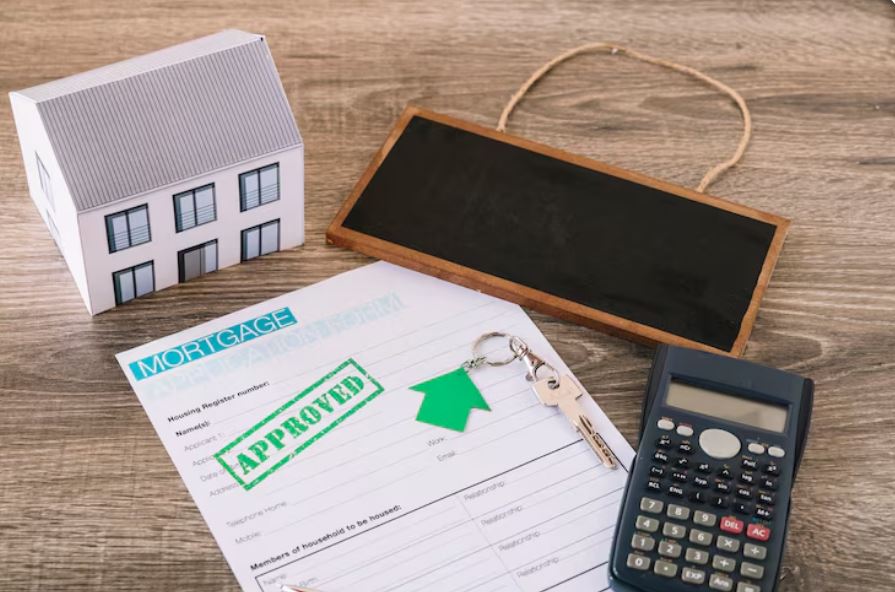
Then there are H.B. 309 and H.B. 335, which give county budget commissions—the little-known local organizations that receive little attention until something goes wrong—new tools. In reappraisal years, those commissions are required by H.B. 335 to restrict revenue increases from inside millage to the GDP deflator for the three years prior. It’s the kind of clause that seems uninteresting until you realize that it’s the exact mechanism that allows your bill to double during a spike in housing prices. Everything is altered when it is capped.
Whether this package truly provides the relief homeowners were promised is more difficult to determine. Budget gaps are already being warned about by school districts and local governments. The article “The Hidden Costs of Eliminating Property Taxes,” published by the Butler County Auditor’s office, reads more like a flare gun than an analysis. In the meantime, the citizens’ organization advocating for the complete abolition of property taxes did not receive enough signatures on their petition, indicating that there is a public desire for drastic change but has not yet discovered a practical solution.
As this develops, it’s difficult to ignore how Ohio is attempting to do something genuinely challenging: curb an out-of-control tax system without destroying the school funding model that depends on it. The five-year limitations on new fixed-sum levies, the mechanics of the 20-mill floor, and the carve-outs for emergency levies all sound like a state attempting to thread a needle in real time. What happens in the summer, what county auditors do, and whether voters believe the numbers will determine whether the bills passed in 2025 truly feel like relief in 2027. Homeowners in Ohio are currently awaiting their next statement, hoping that it will finally show a lower number than the previous one.
