

Transport Action Network (TAN) has formally accused National Highways of lobbying with public funds for the Lower Thames Crossing project.
- The complaint to the Office of Rail & Road (ORR) highlights alleged breaches of the company’s licence due to political interference.
- TAN claims National Highways used public money for a parliamentary reception to influence decision-makers.
- Criticism also revolves around purportedly misleading claims by National Highways to support the £9bn project.
- TAN calls for greater transparency in National Highways’ economic assessments amid accusations of secrecy.
An anti-road-building group, Transport Action Network (TAN), has lodged a formal complaint against National Highways, accusing them of exceeding their remit by using public funds to exert political influence on the decision-making process for the Lower Thames Crossing. TAN argues this goes against National Highways’ duty to act as directed by the government, rather than interfering in political matters.
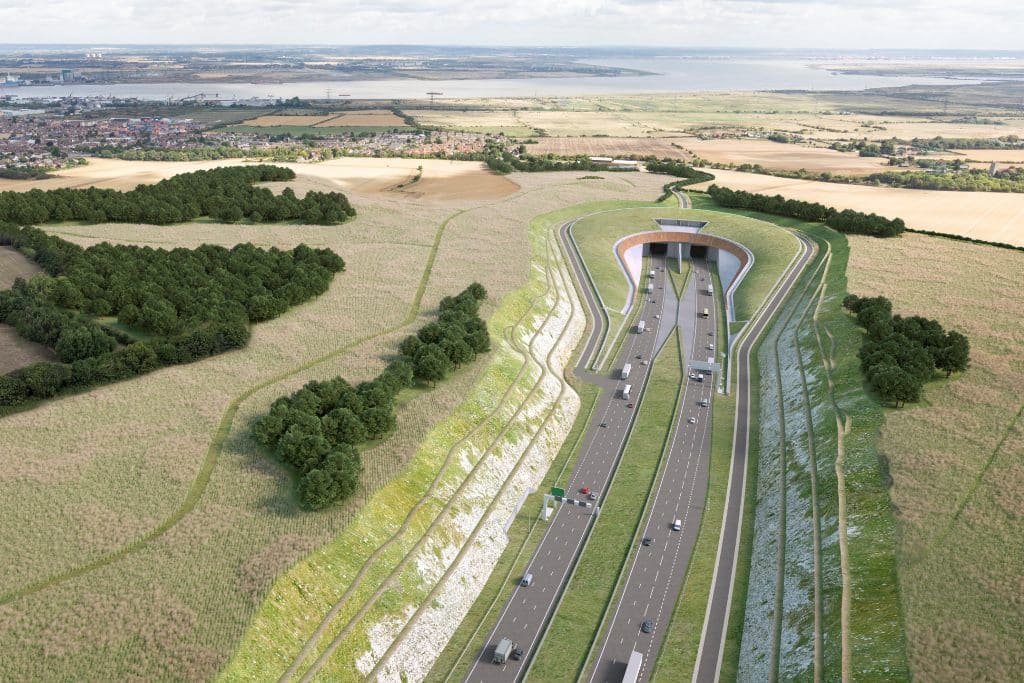
The complaint, submitted to the Office of Rail & Road (ORR), centres on National Highways organising a parliamentary event purportedly aimed at swaying opinions in favour of the expansive and costly £9bn Lower Thames Crossing project. TAN claims this constitutes an attempt to undermine democratic processes, arguing that public funds should not be used to further National Highways’ agenda.
Moreover, TAN has accused National Highways of making ‘unsubstantiated, unevidenced and misleading claims’ in their promotional material for the project. Such statements are argued to reflect a desperation to secure approval for a project whose financial basis TAN considers questionable. Chris Todd, director of TAN, criticised National Highways, suggesting their reliance on ‘fantasy economics’ to bolster the project’s viability.
Todd further contended that as a government-owned entity, misuse of public funds by National Highways to influence political decisions is an abuse of position. TAN is urging the ORR to investigate these practices and is calling for the company to disclose the assumptions and methodologies underlying its economic justifications, not only for the Lower Thames Crossing but for all its schemes.
National Highways responded to these allegations by asserting that the project proposals have been subject to thorough scrutiny through statutory processes, including an extensive six-month evaluation by independent inspectors. Yet, the debate persists on the appropriateness of their actions and the transparency of their economic assertions.
The ongoing controversy raises significant concerns about the ethical use of public funds and transparency in governmental project approvals.

