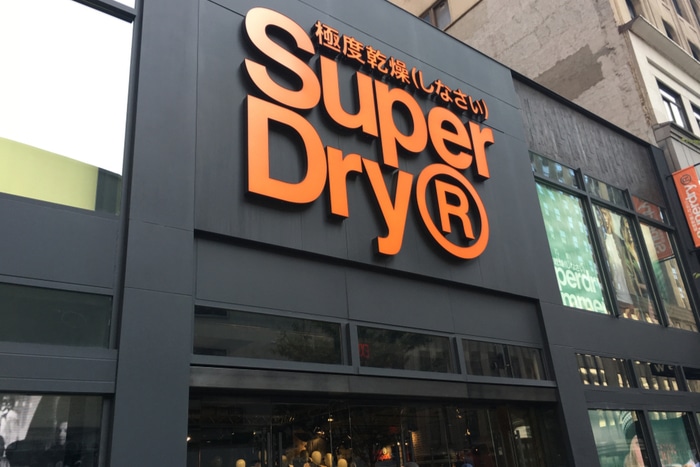
In a significant development for UK fashion retail, M&G, the owner of Superdry’s flagship store on Oxford Street, has decided to withdraw its legal challenge against the retailer’s restructuring plan.
Initially, the global investment manager had considered contesting Superdry’s strategy, aiming to ensure long-term financial health. This decision forms part of a broader industry trend of businesses seeking innovative solutions amidst challenging economic conditions.
Background of M&G’s Initial Challenge
M&G’s initial response to Superdry’s proposed restructuring plan was one of caution and scepticism. The investment manager enlisted the services of Hogan Lovells, a prominent law firm, to scrutinise the plan meticulously. This cautious approach was indicative of the broader landlord sentiment, reflecting apprehensions about rental agreements and future tenancy security.
Alongside M&G, British Land, another significant landlord for Superdry, also considered opposing the restructuring efforts. However, both parties have since retracted their challenges, highlighting a shift in strategy likely due to evolving market dynamics and internal reassessments.
Details of the Restructuring Plan
The restructuring plan introduced by Superdry includes significant rent reductions for its landlords—a strategic decision aimed at securing financial stability without necessitating immediate closures of UK outlets. This approach represents an innovative attempt to alleviate financial pressures while maintaining operational viability.
A key aspect of this plan is the proposed delisting of Superdry from the London Stock Exchange. This move is expected to provide the company with greater flexibility and focus as it navigates through its financial restructuring journey.
Julian Dunkerton’s Financial Commitment
Superdry’s CEO, Julian Dunkerton, has committed to injecting multimillion-pound funding to support the rescue plan. His financial contribution is crucial in fostering trust among stakeholders and facilitating the smoother execution of the restructuring process.
Dunkerton’s commitment extends beyond financial backing; it symbolises a vested interest in the long-term success and sustainability of Superdry, reflecting his confidence in the proposed measures and the company’s potential to recover and thrive.
Implications for the Retail Sector
The resolution of this legal challenge by M&G may set a precedent within the retail sector, encouraging similar approaches among other retailers facing financial constraints. The willingness to adapt and collaborate could become a defining feature of successful retail operations amidst market uncertainties.
This situation also underscores the significance of flexibility and negotiation in landlord-tenant relationships, particularly in an unpredictable economic environment. Retailers and landlords alike may need to reassess traditional commercial terms to accommodate the evolving business landscape.
Market Reaction and Stakeholder Perspective
The withdrawal of opposition by M&G and British Land has been met with relief in the market, seen as a positive development for Superdry and its stakeholders. This strategic retreat is expected to bolster investor confidence and provide an opportunity for Superdry to focus on revitalising its brand and operational strategy.
Stakeholders, including investors and customers, are keenly observing Superdry’s next steps. The company’s ability to effectively implement its restructuring plan will be critical in determining its future trajectory and market position.
Future Prospects for Superdry
Superdry now finds itself at a pivotal juncture, with the opportunity to redefine its market strategy and strengthen its competitive edge. The company’s focus will likely shift towards enhancing product offerings and customer engagement to foster growth and sustainability.
Despite current challenges, Superdry’s proactive approach and stakeholder support position it favourably for recovery. The coming months will be crucial in assessing the effectiveness of the restructuring measures and the brand’s resilience in the face of economic adversity.
Conclusion
In conclusion, M&G’s decision to withdraw its challenge offers Superdry a much-needed respite, paving the way for the retailer to implement its comprehensive restructuring plan. The focus now shifts to execution and the realisation of strategic objectives.
M&G’s withdrawal represents a significant turning point, not just for Superdry but potentially for the wider retail sector. As the company embarks on this crucial phase, stakeholder confidence and strategic execution will be paramount to ensuring a successful turnaround and sustained growth.