

The retail landscape is rapidly evolving, highlighting logistics as a crucial component for future achievements.
- Customers’ increasing demands for quick deliveries and seamless returns are putting pressure on retailers.
- The surge in social commerce complexity is challenging brands to keep pace.
- Sustainability regulations have surged 155% over the last decade, complicating growth strategies.
- A recent report identifies five logistics challenges and solutions for retailers to improve efficiency.
In the swiftly changing world of retail, logistics has emerged as an essential factor for success. Customers are pushing for faster deliveries and easier return processes, creating pressure on retailers to meet these expectations. Similarly, as social commerce becomes more intricate, brands face increasing difficulty in maintaining momentum. Concurrently, sustainability regulations have grown 155% over the last ten years, adding complexity to balancing growth with efficiency.
The report from GXO outlines significant challenges facing retailers today, the first being the increasing difficulty in controlling costs. Inflation and unpredictable demand contribute to this struggle, but a promising solution has been highlighted: multi-client fulfilment. By engaging with GXO Direct’s network, retailers can share costs with others, leveraging a ‘pay as you grow’ model that offers both flexibility and resource access without heavy upfront investments.
Unpredictable demand patterns, driven by social media and market shifts, leave retailers grappling with forecasts. The report stresses the importance of having a logistics partner capable of scaling operations up or down efficiently. Flexible fulfilment systems are crucial, enabling rapid responses to fluctuations, whether by expanding warehouse space or scaling workforce size during peak periods, thus preventing service disruptions.
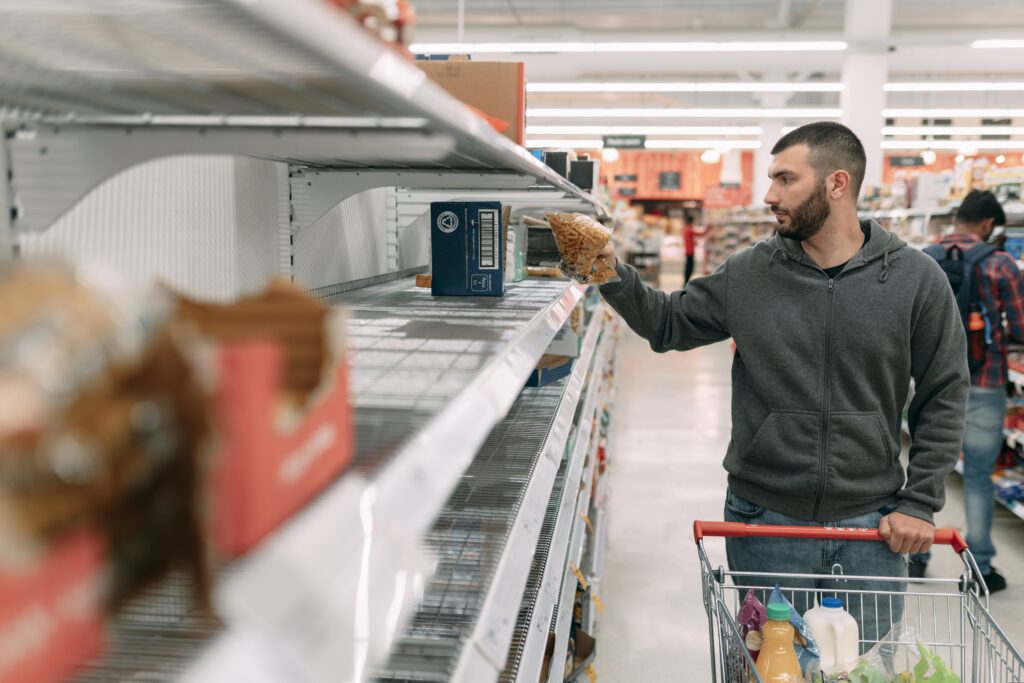
Customer satisfaction is tightly linked to logistics, where efficient systems enhance the consumer experience. Challenges such as stock shortages, delivery delays, or inefficient returns can deter consumers. By employing advanced warehouse management systems, retailers can improve stock visibility and streamline processes, fostering customer loyalty and competitiveness in the market.
Outdated manual operations can hinder brand reputation in an age where technology advancement is paramount. Retailers are increasingly shifting to technology solutions, employing automation and robotics to speed up fulfilment, reduce errors, and enhance warehouse safety. These tech-forward solutions not only streamline operations but also support sustainability efforts.
Sustainability, far from being a mere trend, is becoming essential. The report indicates growing consumer and regulatory pressure for ethical business practices. Logistics partners play a vital role in helping retailers adopt green strategies, minimising waste, recycling goods, and fostering efficient operations, all while supporting growth objectives.
The report underscores that, in a rapidly advancing retail environment, partnering with the right logistics provider is more crucial than ever for achieving efficiency and growth.

