
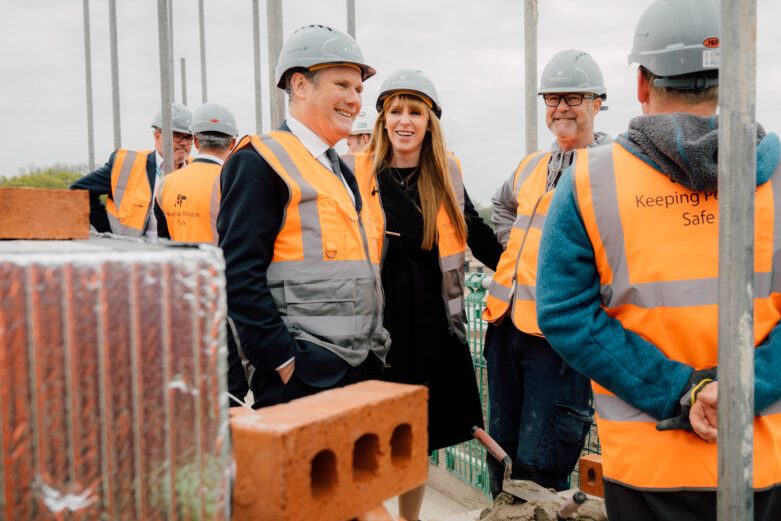

In a pivotal survey, a notable shift towards the Labour Party has been observed within the UK construction industry as the nation prepares to vote.
- A recent poll indicates 42% of construction professionals prefer Labour’s infrastructure policies.
- Trust in Labour far outpaces that for Conservatives, who garnered only 14% support.
- The survey highlights potential implications for future industry projects and governmental collaboration.
- These findings mark a significant trend in political affiliations within the construction sector.
With the United Kingdom heading to the polls, a recent survey of the construction industry has revealed a marked preference for the Labour Party among professionals. Conducted by NBS and Glenigan, the survey encompassed 505 individuals spanning the fields of construction, architecture, and engineering. A compelling 42% of respondents expressed trust in Labour’s ability to invest in the nation’s ageing infrastructure, highlighting a significant lean towards Keir Starmer’s leadership and policies for renewal and development.
This result positions Labour significantly ahead of the Conservatives, who only managed to secure 14% support from the same demographic. The survey also noted minor support for other parties, with 13% backing the Reform Party, 5% supporting the Liberal Democrats, and a scant 3% favouring the Greens. These figures suggest a shifting political landscape within the built environment sector, reflecting broader industry sentiments about the need for robust and reliable infrastructural investment.
The implications of this shift are profound for the construction industry, as political affiliations can greatly influence the direction of government contracts and public-sector projects. An increase in trust towards Labour suggests that professionals in the sector are optimistic about potential collaboration and investments that could arise from Labour’s policies. It’s a decision that may shape future project hierarchies and the flow of resources, aligning industry expectations with political promises.
Such a dynamic change in political preference underscores the evolving priorities within the construction industry. Trust in effective governance, infrastructure renewal, and a commitment to addressing longstanding systemic challenges may have resonated more with Labour’s current platform. This transition in support might also interpret an eagerness for change, aligning industry goals with promises of progressive development.
The survey indicates a decisive swing toward Labour among construction professionals, reflecting changing priorities in the industry.

