
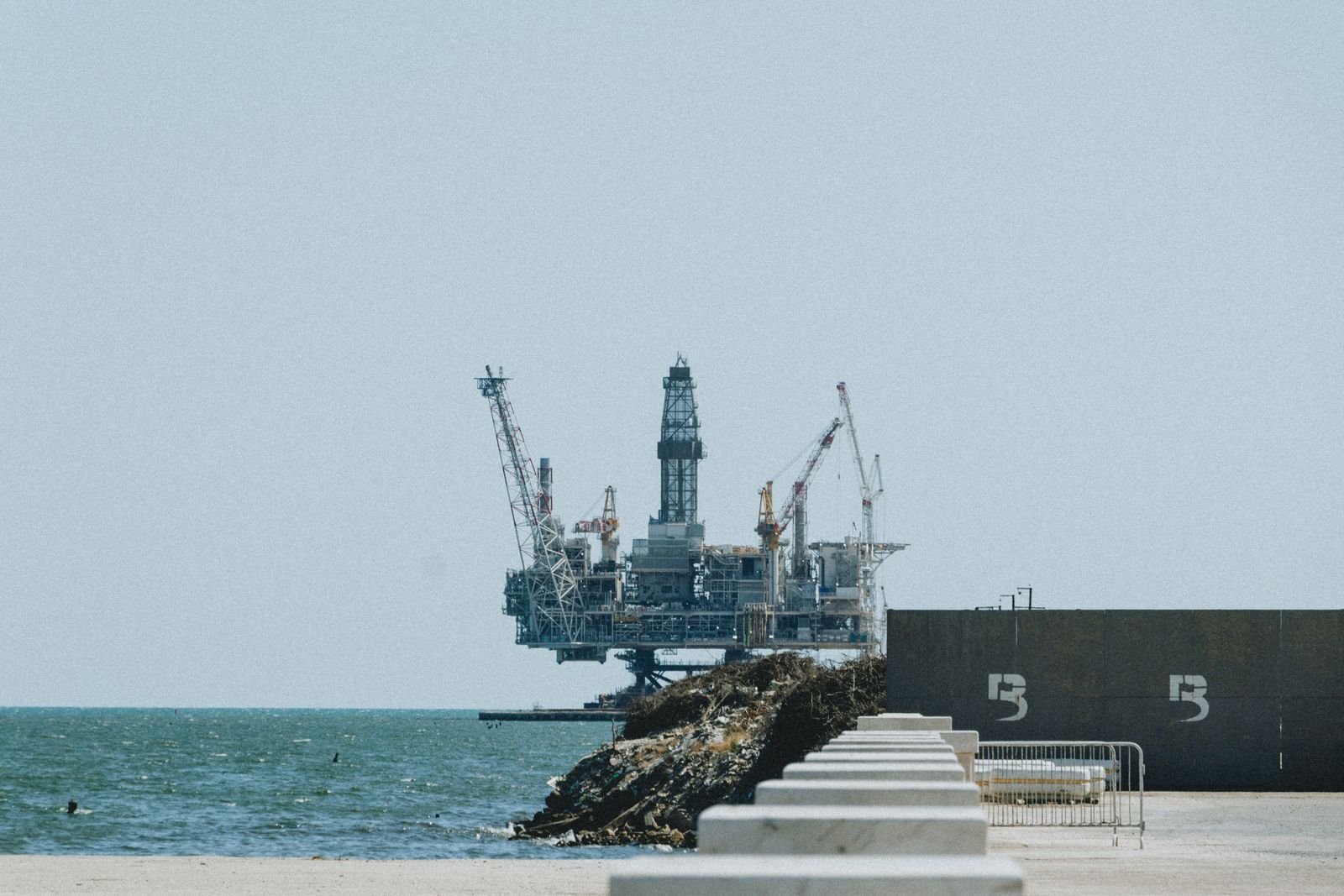

The UK government has approved the Jackdaw gas field in the North Sea. Energy Secretary Miatta Fahnbulleh agreed that the regulator could grant consent for gas production, and the North Sea Transition Authority (NSTA) then granted it, according to the government’s announcement of 21 October 2026.
What the government said
The government said the field is already licensed, but that a licence alone does not allow development and a separate consent is required. It said the NSTA can grant consent only if the Secretary of State agrees, on the basis of an environmental impact assessment under the offshore regime. The developer, Adura, submitted further information after new guidance was published, and that went through public notice periods, the government said.
NSTA Chief Executive Stuart Payne is quoted in the announcement as saying: “After robust scrutiny we have today granted consent for the Jackdaw Field development.” The government also said the decision “is compatible with our legally binding climate commitments”, and that it is consistent with its manifesto pledge not to issue new licences for exploring new fields.
According to the government, Jackdaw is expected to raise domestic gas output by about 6% at its peak and could supply gas for up to 11 years. It estimated the project would add £2.9 billion to the UK economy. It said the developer expects 27 new direct jobs and 273 existing jobs safeguarded. The government said the project could start supplying gas to British homes and businesses from as early as the end of October.
Why a fresh decision was needed
STV News reported that Jackdaw, about 150 miles east of Aberdeen, was originally approved in 2022 by the previous Conservative government. Courts later ruled the approval unlawful because the emissions from burning the gas had not been properly assessed. The government said the new decision follows the 2024 Supreme Court ruling in the Finch case, which requires operators to consider the impact of burning extracted oil and gas.
STV, which described the field as owned by Adura, a joint venture of Shell and Norway’s state-owned Equinor, put the project’s own estimate at about 6.5% of UK Continental Shelf gas output at peak, enough to heat more than 1.4 million homes. The government’s own figure, as above, is about 6% of domestic gas output at peak.
STV also reported that environmental campaigners and energy analysts argue further drilling conflicts with climate goals and will not lower bills, while the oil and gas industry had called for approval of both Jackdaw and the separate Rosebank field. A decision on Rosebank will take “a bit longer”, STV reported.
Industry reaction
Adura said in its own statement on the approval that gas could reach homes, power stations and businesses within weeks. Chief Executive Neil McCulloch said: “This decision is an important and positive step forward for Adura and for the future of UK energy.” Adura put investment in Jackdaw at £2.1 billion.
Neil Ritson, Chief Executive of energy B plc, an AQSE-listed company that is seeking to restart production at the Horse Hill site near Gatwick Airport, also welcomed the decision. He said:
“Today’s decision is the right one for Britain. It recognises that the oil and gas we need is better produced here than shipped in from abroad, and that a country with some of the lowest gas storage in Europe cannot afford to leave its own resources in the ground.
“At the Gatwick energy site, we hope to soon be playing our part in boosting Britain’s energy security, reopening the production site and bringing British oil and gas to the British market.”
Horse Hill remains subject to approvals
Energy B has agreed to buy the shareholdings in the Horse Hill operator, with the deals subject to approval from the NSTA, according to the company’s announcements of 20 October. DrillOrDrop reported that the company’s target of restarting production in early 2027 depends on talks with Surrey County Council, and that a council spokesperson said January 2027 was “currently looking the most likely” date for a planning committee.
Energy B has said it is working to secure the permissions needed to resume production and is committed to meeting all of its legal and environmental requirements.
