
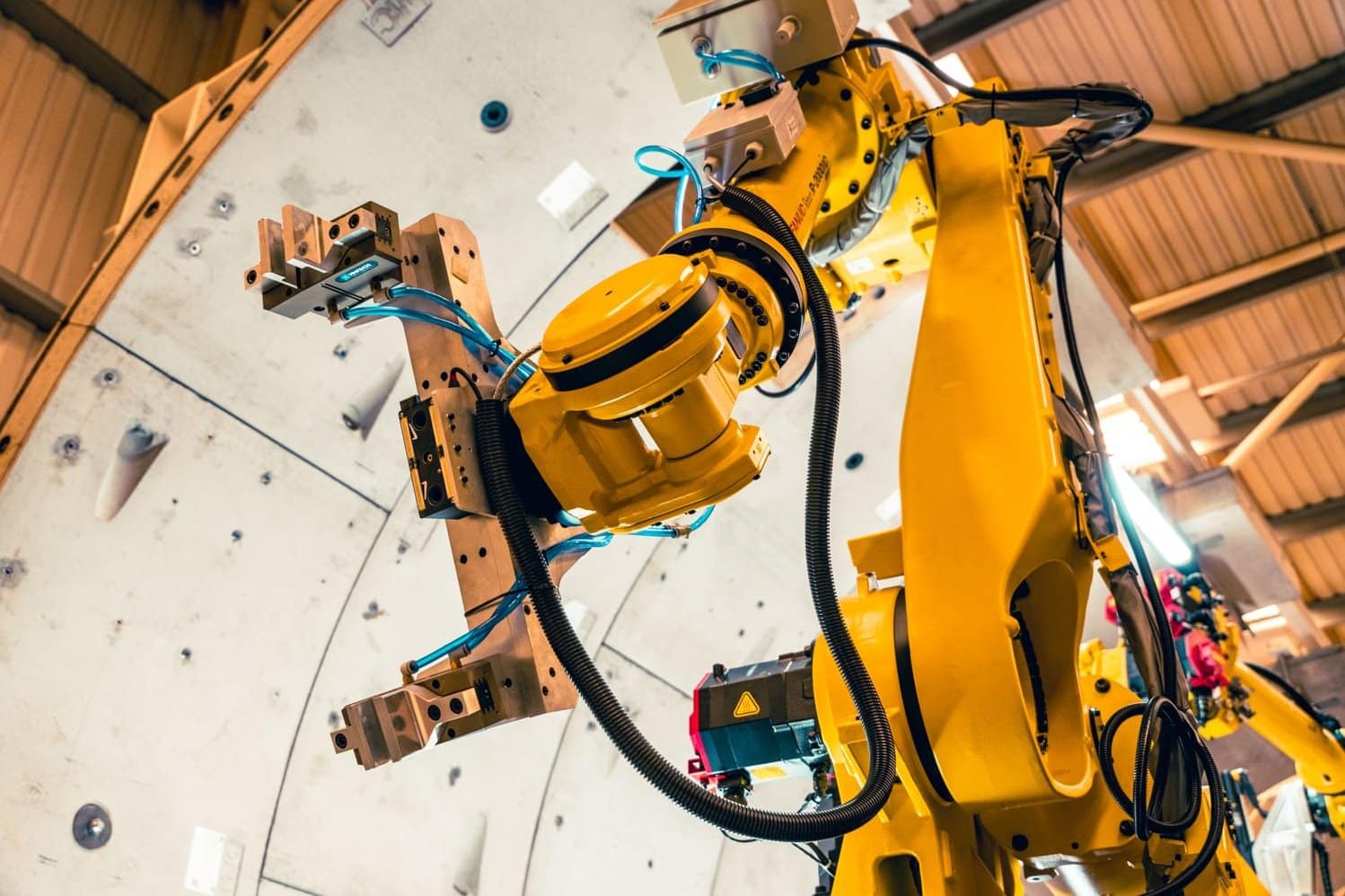

A pioneering machine could revolutionise tunnel fitting by removing the need for manual labour.
- The Automated Tunnel Robotic Installation System (ATRIS) has been developed by a skilled consortium.
- ATRIS autonomously selects and installs brackets along tunnel walls, enhancing safety and efficiency.
- The system claims to boost productivity by 40% and reduce costs by 30% in tunnel construction.
- Initial feedback is positive, but developers are seeking potential clients to adopt this technology.
In the ever-evolving world of construction, a groundbreaking development promises to reshape the way tunnels are fitted out, potentially replacing traditional manual labour with robotic precision. The Automated Tunnel Robotic Installation System, better known as ATRIS, stands at the forefront of this innovation. Developed by a consortium of engineering and robotics experts, ATRIS seeks to streamline the installation of mechanical and civil services in tunnels, significantly mitigating the inherent human risks and inefficiencies associated with conventional methods of tunnel fitting.
ATRIS is designed to operate autonomously, meticulously selecting brackets and determining their precise mounting locations along tunnel walls. This technological feat not only enhances the safety of the workforce by minimising exposure to hazardous conditions but also claims to enhance productivity by an impressive 40% while reducing installation costs for new mechanical and electrical systems by a notable 30%. Such advancements underscore the system’s potential to make tunnel construction safer and more cost-effective than ever before.
The journey of ATRIS from concept to prototype has been supported by a team including Tunnel Engineering Services (TES), i3D Robotics, the Manufacturing Technology Centre (MTC), Costain, and VVB Engineering. TES, renowned for its innovation in mechanised tunnelling machines, has led the project, emphasising the necessity of automation in traditional manual M&E fit-out techniques. Meanwhile, MTC has contributed through designing and manufacturing the robot’s end effectors, while i3D Robotics has developed sophisticated visualisation software essential for ATRIS’s navigation and operation.
Despite the remarkable strides made in the development of ATRIS, securing client orders remains a challenge. The consortium has actively engaged in generating interest among potential clients, reporting enthusiastic feedback, although formal orders are yet to materialise. “TES has over many years designed and manufactured mechanised tunnelling machines and special purpose equipment for the construction industry,” stated Alan Worsley from TES, highlighting the project’s alignment with the company’s longstanding focus on innovation and automation.
Further illustrating the system’s capabilities, Steve Nesbitt of the MTC noted the broader labour challenges faced by the construction sector and the growing interest in robotic solutions beyond traditional applications. “Developing an automated system to install infrastructure in tunnels has been a long-standing ambition,” echoed Jon Storey from i3D. The collaboration and integration of robotics, machine learning, and stereo vision technology reflect a significant leap toward achieving this goal, with implications extending beyond construction to sectors such as nuclear decommissioning and defence.
In conclusion, Costain’s Lee Bateson reiterated the transformative potential of ATRIS, highlighting the benefits it brings in terms of safety, productivity, and sustainability in tunnel construction. Such technology offers promising solutions to longstanding industry challenges, paving the way for a future where construction is safer and more efficient.
Nicolas Beedle from VVB Engineering confirmed the cost and safety concerns historically associated with tunnel works and recognised ATRIS as a step forward in addressing these challenges. As technology continues to transform infrastructure projects, the demand for innovative and efficient solutions like ATRIS is expected to rise.
The introduction of ATRIS stands as a pivotal advancement in tunnel construction, promising enhanced safety, productivity, and cost-effectiveness.
