
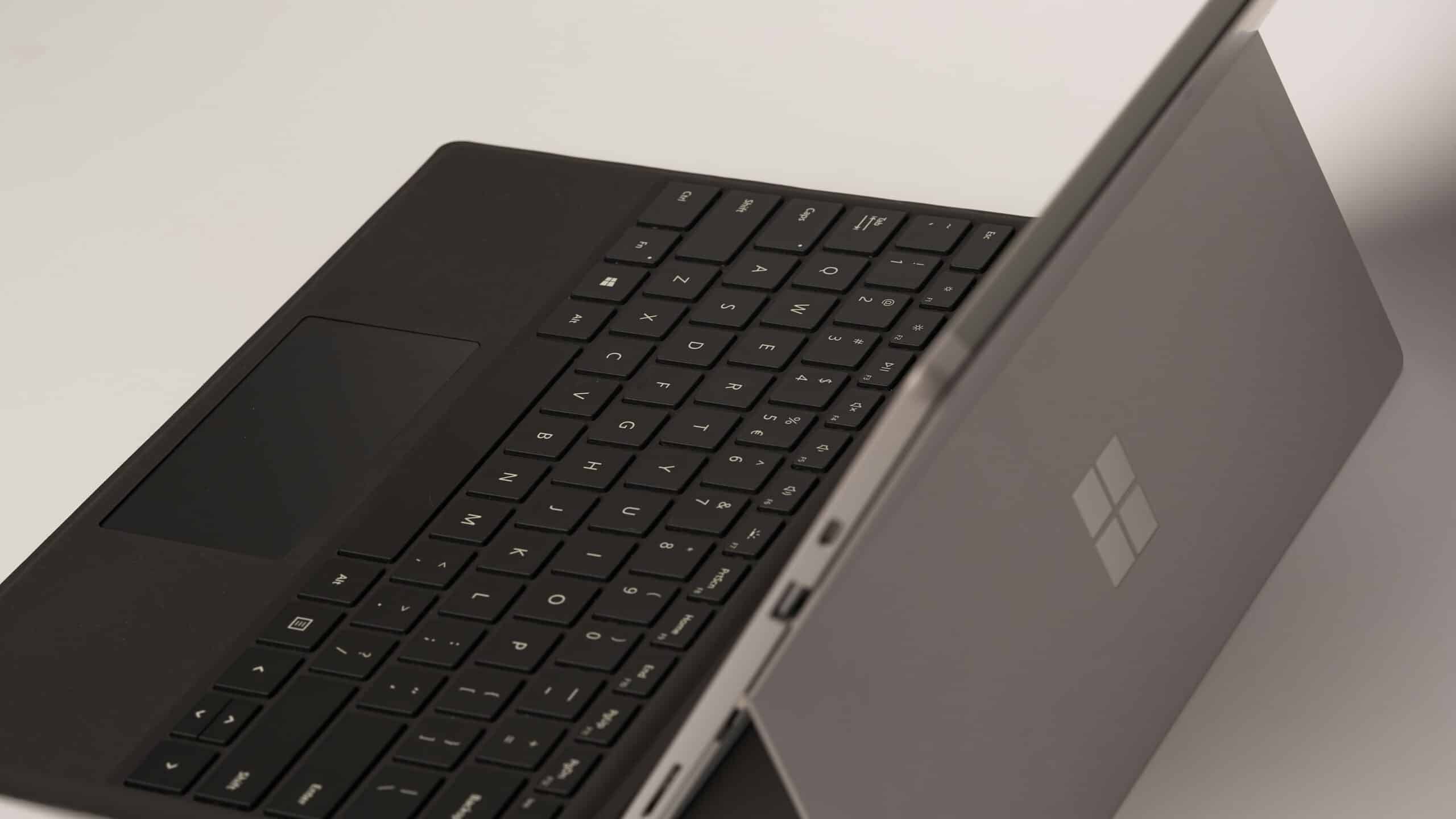

Microsoft is on the brink of launching an innovative AI assistant with enduring memory capabilities. This development promises to revolutionise user interaction by retaining vast amounts of information.
Set to debut next year, these AI companions will enhance personalisation by recalling user-specific interactions. Mustafa Suleyman from Microsoft emphasises their potential as ever-present co-pilots, marking a new era in AI technology.
As we approach the release of Microsoft’s new AI assistants, a significant transformation in how we interact with technology is imminent. These assistants are designed to remember everything, from conversations to project details, thus enabling them to offer highly personalised assistance. Yet, this advancement does not come without its concerns. Many people worry about the constant monitoring these assistants entail, fearing a potential invasion of privacy.
With tools like Siri and Alexa already in use, persistent monitoring is a familiar concept. Still, the ability to store personal data for extended periods introduces risks. There’s a delicate balance between convenience and privacy.
They assure users that interactions with Copilot will not be disclosed or sold, except under specific circumstances. These may include sharing data with Microsoft affiliates, vendors under contract, or in response to legal requirements. External research partnerships might also review Copilot logs to improve safety.
Mustafa Suleyman likens the continuous recording by AI assistants to existing devices. He suggests that the choice of embracing or limiting such technology lies with the individual user.
Conversely, others express concern over privacy, wary of a world of incessant surveillance. The adaptation of this technology will likely depend on individual comfort levels with data security.
However, the ethical and practical aspects of these capabilities are under scrutiny. As Microsoft gears up for the rollout, the tech community eagerly anticipates the impact on everyday digital interactions.
In conclusion, the potential of Microsoft’s “Forever Memory” AI assistant is vast. Yet, the journey to widespread adoption will traverse concerns over privacy, ethics, and technological intrusion.
In sum, Microsoft’s “Forever Memory” assistant introduces groundbreaking memory features, heralding a transformational era in AI interaction.
Despite privacy concerns, these new tools offer unmatched personalisation and efficiency, aligning with the future of digital assistance.
