

The question’s short response is almost laughably straightforward. For regular gasoline and diesel, the federal gas tax in the US is 18.4 and 24.4 cents per gallon, respectively. That’s all. When filling up a tank with forty or fifty bucks on a Tuesday afternoon, the majority of drivers never give it a second thought. The peculiar thing is that those same 18.4 cents have become the focal point of a real political dispute because of how little and stuck they are. This is what makes this uninteresting little figure suddenly fascinating in 2026.
The fact that the federal gas tax hasn’t been increased since 1993 is what shocks people. Over thirty years. The last time Congress put it at 18.4 cents, gas was around $1 per gallon, the internet was hardly a thing, and the tax was a significant portion of what you spent at the pump. Inflation has subtly reduced it because it is a flat per-gallon fee rather than a percentage of price. That 18.4 cents is almost 4% of the retail price of a gallon at current prices. The very inflation it failed to account for has gradually eaten away at the levy that was meant to pay for America’s roadways.
The Highway Trust Fund receives nearly all of that 18.4 cents (18.3 cents), with the remaining tenth of a cent going to the Leaking Underground Storage Tank fund, which cleans out old, corroded fuel tanks hidden beneath closed service stations. The Highway Trust Fund, which divides its funds between a highway account that finances the interstate system and a mass transit account that finances buses and subways, is the driving force behind federal road and transit investment. The entire enterprise generates almost $23 billion annually. Almost no one considers it until a bridge makes headlines; it’s the unglamorous financial plumbing that keeps the roads you travel on from collapsing.
The price increase that has plagued American drivers since the start of the Iran war is what has brought this drowsy tax into the news. The national average was around $4.18 per gallon as of late April, a 36% increase from February, and it has been steadily rising ever since. As gas prices rise and his support ratings decline, President Trump has suggested suspending the federal gas tax. According to the Penn Wharton Budget Model, this pause would last roughly from June 1 to October 1, which would cover the busiest summer driving season. It’s a wise political decision. Voters are enraged by high costs, and lowering taxes seems like a clear solution.
The issue is that the relief, if it occurs at all, would be so slight as to be almost symbolic. Here’s where the experts are direct. According to GasBuddy analyst Patrick De Haan, “That 18 cents doesn’t really amount to a whole lot, in my mind.” Shaving off 18.4 cents is hardly noticeable when the price of gas has increased by more than $1.30 per gallon since February. Because there is no assurance that suppliers, refiners, and distributors will pass on the full savings to customers, the Bipartisan Policy Center calculated that a suspension would only reduce pump costs by 10 to 16 cents, not the whole 18.4. Instead, some of it might be subtly absorbed by industry margins. To put it another way, a tax holiday may benefit the fuel supply chain more than the driver.
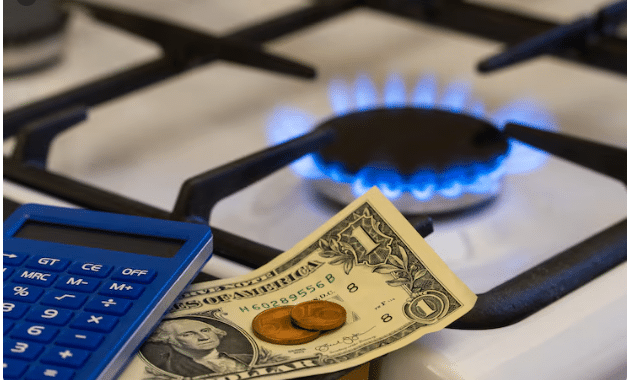
Then there’s the expense, which is what politicians usually overlook. The Highway Trust Fund would lose around $17 billion, or 46% of its yearly income, if it were suspended for five months. Already, that fund is having problems. According to the Congressional Budget Office, the Highway Account will be exhausted soon after the Mass Transit Account, which is expected to run out by fiscal 2027. In order to provide drivers with a small amount of relief that might not even reach them, you would be depleting a fund that is already headed toward bankruptcy. A number of suspension measures that are currently circulating in Congress would use transfers from the Treasury’s general fund to make up for the lost revenue, but doing so would only increase the government deficit. There must be a source of funding. It always does.
This discussion is truly fascinating since it blurs the typical partisan boundaries. A gas tax holiday is a high-pump-price concept that emerges every time gasoline prices rise, regardless of the political party in power. It is not a Republican or Democratic proposal. A Democratic Congress denied Biden’s request for one in 2022. Trump now wants one, and proposals to do so have been introduced by Democratic senators like Mark Kelly and Richard Blumenthal. John Thune, the majority leader of the Senate, has stated that while he is open to hearing the proposal, he is not particularly fond of it. Because no one’s base is fond of pricey gas, it’s one of those rare topics where politics are truly changeable.
