

A new online course equips HGV drivers with essential skills to assist at accident scenes, potentially saving lives.
- The course provides HGV drivers with the ability to perform critical tasks at accident sites, which could reduce fatalities.
- It emphasises dynamic risk assessment, providing accurate emergency calls, and administering first aid effectively.
- Industry experts underline the importance of immediate action by first respondents in preventing fatalities.
- The initiative is a proactive measure in enhancing road safety and fulfilling legal safety obligations for employers.
An innovative online training scheme has been developed to endow HGV drivers with vital skills that could prove life-saving in the aftermath of road accidents. This course is structured to teach drivers how to undertake critical tasks such as assessing dynamic risks, placing effective emergency calls, and offering first aid, all before professional help arrives. It unfolds over a 90-minute session, which can be conveniently completed in segments, making it accessible to drivers managing busy schedules.
David Higginbottom, the chief executive of Driver First Assist – the organisation behind the ‘Skills for Safer Journeys’ course – highlighted the alarming statistic that in 2023 alone, road fatalities amounted to 1,633 in the UK. He stressed the unfortunate reality that many lives could have been preserved had the first individuals on site been equipped with appropriate training. Higginbottom asserted, “We want to help employers meet their health and safety obligations by giving drivers the skills they need to be safer on the road.” Indeed, he emphasised that safety laws extend beyond a company’s physical location; when employees drive for work, even in personal vehicles, the road becomes an extension of their workplace.
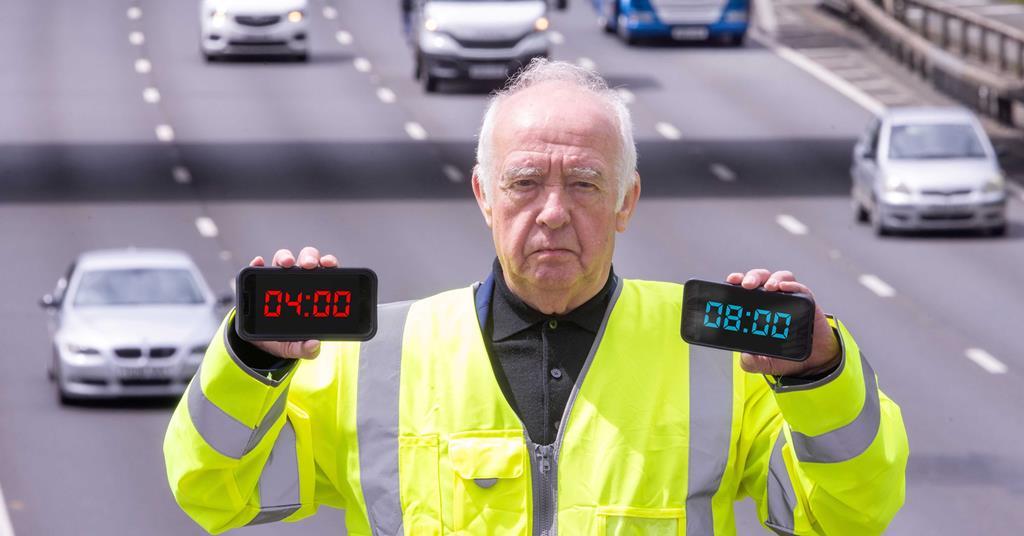
A report by the World Health Organization indicates that 50% of fatalities from traffic crashes occur within minutes of the event in affluent nations. The research pointed out that individuals on the scene could significantly impact outcomes by contacting emergency services, ensuring the site is secure to avoid additional accidents, and delivering vital first aid. The document explains that deaths due to airway blockages or severe bleeding might often be preventable through basic first aid administered by bystanders. It also notes the crucial window of time, as blockages can cause death within approximately four minutes, which contrasts starkly with the UK’s NHS target of an eight-minute response time for ambulances in life-threatening conditions.
Endorsements for the course come from experts such as Sir Keith Porter, emeritus professor of traumatology, who remarked on the life-saving potential of such training. Porter stated, “The Driver First Assist course will empower drivers to deliver life-saving skills, helping to keep a patient alive in those valuable minutes before the ambulance arrives.” This sentiment is echoed by participants, including Mick Doe, Operations Director at a logistics company, who lauded the course for enhancing his safety on the road, having given him the necessary acumen to act decisively in emergencies.
The ‘Skills for Safer Journeys’ course is priced at £47.50, with lifetime access and bulk purchase discounts available. Higginbottom envisions transforming hundreds of thousands of drivers into qualified first responders on UK roads. This forward-thinking approach not only aims to reduce the dire statistics associated with road accidents but also enhances the legal safety compliance of organisations employing these drivers.
The initiative represents a significant step forward in empowering drivers and ensuring road safety through practical, accessible training.

