
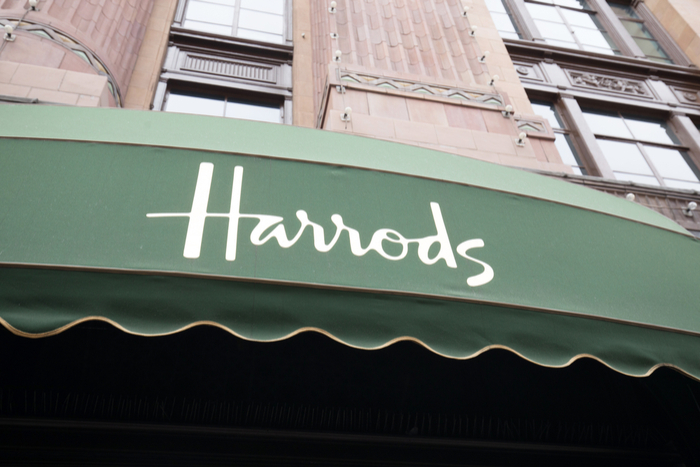

The management of Harrods has expressed deep regret following unsettling allegations of sexual misconduct by former owner Mohamed Al Fayed.
These allegations have prompted a thorough examination of past workplace practices and highlight the crucial need for systemic changes.
Allegations Surface
Harrods is facing a significant public relations challenge following revelations concerning its former owner, Mohamed Al Fayed. Allegations of sexual misconduct have emerged, painting a disturbing picture of the environment under Al Fayed’s leadership. Twenty former female employees have accused Al Fayed of harassment, with five particularly harrowing accounts of rape, highlighting the severity of the accusations.
The revelations were uncovered through an investigation by the BBC, which reported that these incidents took place during Al Fayed’s ownership of the prestigious department store. The allegations, which span several years, suggest a longstanding culture of intimidation and abuse. Harrods has initiated an internal review and is in contact with the Metropolitan Police to further examine these serious claims.
Harrods’ Response to Allegations
In an official statement, Harrods’ Managing Director, Michael Ward, expressed his profound regret and sorrow over the distressing allegations that have come to light. “We failed our colleagues,” Ward stated, acknowledging the company’s responsibility in providing a safe workplace and the imperative to rectify past oversights.
Ward, who was part of the company during Al Fayed’s tenure, emphasised his lack of awareness of such misconduct, despite public rumours. He highlighted the importance of accountability and assured that Harrods is taking steps to improve its organizational culture and prevent any recurrence of such incidents.
Internal Culture Under Scrutiny
The internal culture at Harrods during the years of Al Fayed’s ownership is now a focal point of investigation. Descriptions of a culture steeped in secrecy and intimidation have surfaced, raising concerns about the effectiveness of existing internal reporting mechanisms.
Employees have alleged that fear and retaliation were pervasive, discouraging victims from coming forward. This systemic issue underscores why such behaviour possibly went unreported, despite its apparent magnitude. It also raises questions about the governance structure that allowed such a culture to flourish unchecked.
Ward’s candid admission of the failure to protect staff reflects a broader acknowledgment of systemic failings within the organization. The current leadership is now tasked with a daunting challenge: rebuilding trust and instituting robust safeguards against future misconduct.
Steps Toward Organizational Reform
Harrods has committed to overhauling its internal policies to ensure enhanced protection and support for its workforce. This includes the introduction of more transparent reporting channels and the establishment of an independent oversight committee to monitor workplace practices.
By implementing these measures, Harrods aims to rebuild its image and reassure both employees and customers of its dedication to fostering a respectful and supportive environment. The company also plans to conduct regular audits and engage with external agencies to maintain accountability.
The reform initiatives are part of a wider strategy to not just address past misconduct, but to cultivate a culture where dignity and respect are foundational norms. These changes reflect a concerted effort to prioritize employee welfare and corporate responsibility.
Impact on Harrods’ Reputation
The allegations against Al Fayed have undeniably impacted Harrods’ brand reputation, placing the store under intense public scrutiny. Stakeholders and the public are closely watching how the company addresses these revelations and the effectiveness of its reforms.
Given Harrods’ prominence in the luxury retail sector, the stakes are particularly high. The store’s response could set a precedent for how similar allegations are handled in the industry. The situation presents both a challenge and an opportunity for Harrods to demonstrate leadership in promoting ethical business practices.
In navigating this crisis, Harrods must balance transparency with a commitment to ethical rehabilitation, seeking to emerge as a stronger entity dedicated to principled management and human rights advocacy.
Legal and Ethical Considerations
The legal ramifications of the allegations against Mohamed Al Fayed remain to be fully realised as investigations continue to unfold. Harrods’ cooperation with the Metropolitan Police underscores a commitment to transparency and due process.
From an ethical standpoint, the situation presents a critical moment for reflection on corporate governance and the moral obligations of employers to safeguard their employees. These considerations may influence future policy changes not only at Harrods but potentially across the retail sector.
By openly addressing these issues, Harrods is taking a step towards acknowledging past mistakes and fostering an environment where ethical considerations are paramount in corporate decision-making processes.
The unfolding situation at Harrods serves as a stark reminder of the importance of vigilance in corporate governance.
With the measures being implemented, there is cautious optimism that Harrods can foster a safer and more inclusive workplace culture.

