The government suspended tariffs on 101 agri-food products on Thursday, a move it expects to save consumers £120m to £185m a year, against a headline of up to £185m.
The suspensions, which cut the standard tariff to zero on imports from all countries, run until 31 December 2028. They do not remove VAT or trade remedy duties such as anti-dumping duty.
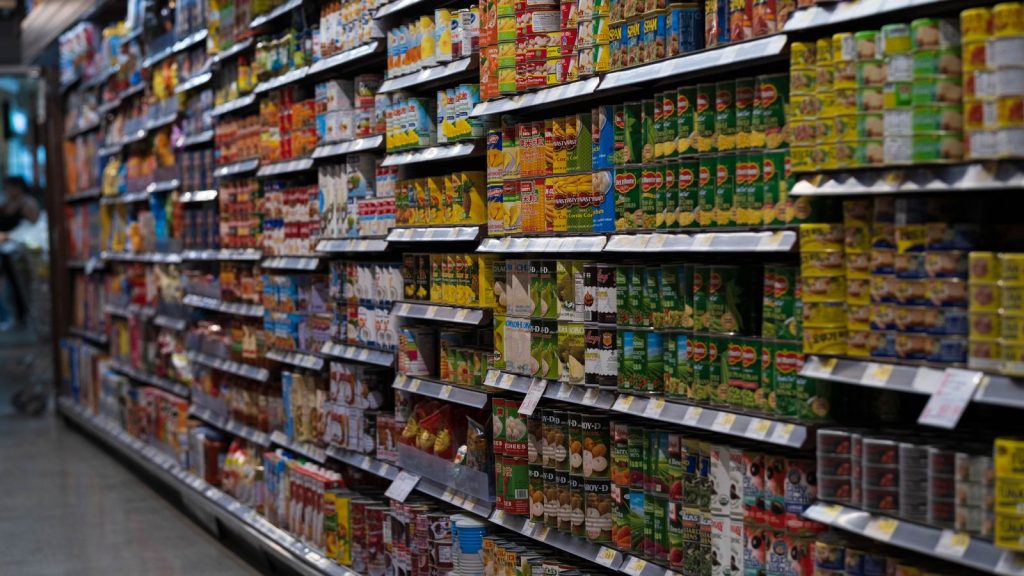
Tariffs on baked beans (16%), aubergines (12%) and chocolate (8%) are among those reduced, and the government said lower-income households would benefit most.
Garlic (8% plus £100 per 100 kg), citrus jams and marmalades (20% plus £19 per 100 kg), cough sweets and plant-based drinks are also covered.
John Healey, chancellor of the exchequer, said: “Families are still feeling the impact of global conflicts on the weekly shop.”
The measure was first announced in the Budget on 28 October, which listed it among steps to give households breathing space with the cost of living.
The government said it excluded rusks, toasted bread products and biscuits because of domestic production concerns.
Bananas were also left out because of concerns over developing-country trade preferences. Dried apples are not in the package because their tariff was already suspended through the business process.
The call for input drew 103 responses, mostly from businesses and business associations. Most respondents expected moderate or significant benefits for consumers and domestic businesses.
The most common concern was that domestic producers of the suspended goods would face more competition from imports. Others said the package was too small for the pressure on living costs.
The government accepted that some domestic producers may be affected, but said the benefit to consumers outweighed the risk.
Several respondents were sceptical that the savings would reach shoppers. The government said it considers the “highly competitive grocery sector” will push supermarkets to pass on lower costs.
It also said it does not expect meaningful changes in consumption, citing the temporary nature of the suspensions and the “modest contribution” of these tariffs to overall prices.
The range of £120m to £185m is the government’s own estimate for the agri-food products. The £185m ceiling is the figure used in the Chancellor’s announcement.
An earlier package came into force on 21 June 2026 and covered some fruits, fruit juices, pasta, couscous and tuna. Together, the two packages are expected to cut consumer costs by up to £595m a year.
Kerosene, which is used as heating oil by some households including a majority in Northern Ireland, has a 4% tariff that is also suspended until 31 December 2028. Fertiliser tariffs of 2% to 6.5% are suspended only until 31 December 2027.
Businesses can ask for further suspensions through the regular window that was due to open on 11 November 2026. Imports from Russia and Belarus are not eligible, and the fertiliser suspensions will be reviewed ahead of expiry.