
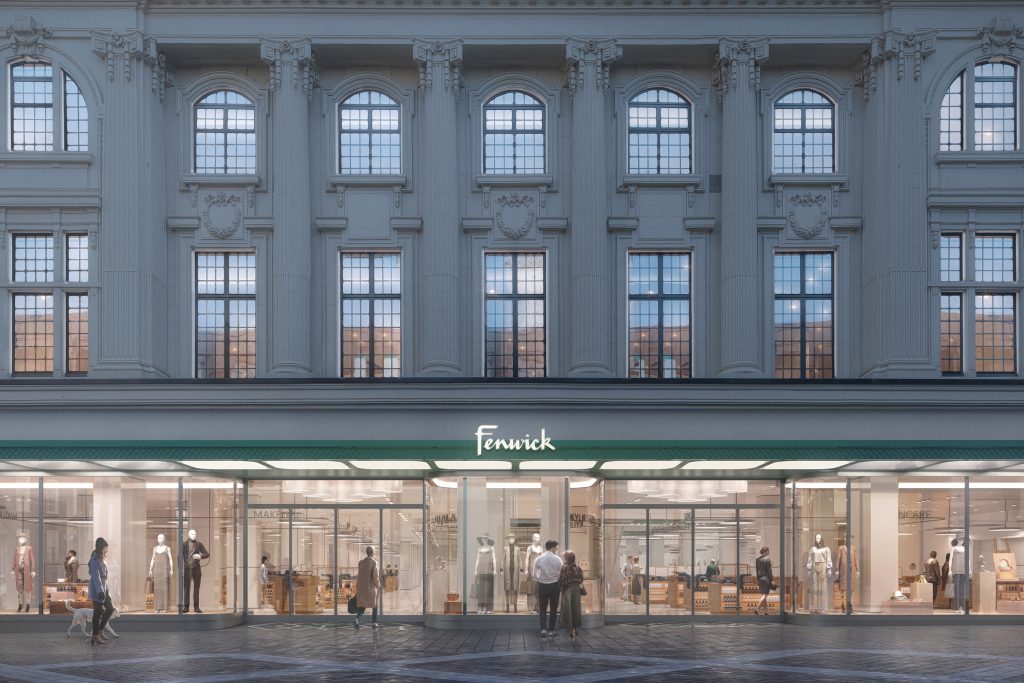

Independent department store Fenwick has revealed a pre-tax loss of £28.4m, attributing it to the cost-of-living crisis and changes in the retail sector.
- The loss contrasts sharply with the previous year’s pre-tax profit of £57.1m, which was bolstered by the sale of the New Bond Street store.
- During the year, Fenwick’s turnover decreased by 7% to £184.2m, and gross sales fell by 6% to £303.6m.
- Despite the loss, Fenwick’s cash reserves increased by £134.8m, thanks to asset disposals, allowing investments in key locations and online presence.
- Fenwick is committed to returning to profitability by enhancing its operating model and focusing on customer service and market position.
Fenwick, an independent department store chain, has announced a pre-tax loss of £28.4 million for the year ending 26 January 2024. This downturn is largely attributed to the ongoing cost-of-living crisis and evolving dynamics within the retail sector. The previous year’s financial performance was notably stronger, achieving a pre-tax profit of £57.1 million, aided significantly by the £430 million sale of its New Bond Street store in December 2022.
Over the past year, Fenwick experienced a 7% reduction in turnover, bringing the figure down to £184.2 million. Similarly, gross sales saw a decline of 6%, totalling £303.6 million. According to the company, these declines were driven by challenging trading conditions stemming from inflationary pressures and a transforming retail environment.
Remarkably, Fenwick’s cash balance surged by £134.8 million, reaching £179.1 million, primarily due to the previous year’s asset disposals. This financial boost has enabled the company to invest in its city centre establishments, including its flagship store in Newcastle, as well as in expanding its online operations.
Fenwick has articulated a strategic focus on restoring profitability, highlighting the need for an efficient online operating model and a robust emphasis on expanding revenue growth and profitability across both online and physical stores. The company plans to achieve this by delivering superior customer service, maintaining product margins, and leveraging its strong position in local markets.
In corporate developments, Fenwick’s leadership transition faced a setback as Nigel Blow, appointed as CEO in July to succeed John Edgar, will not assume the role. Allegations linked to Harrods’ former owner influenced the decision, although Blow denied any association with these claims. A Fenwick spokesperson confirmed, ‘Nigel Blow has informed us that he will no longer be taking up this position.’
Fenwick remains dedicated to overcoming financial setbacks by refining operations and reinforcing market positions.

