
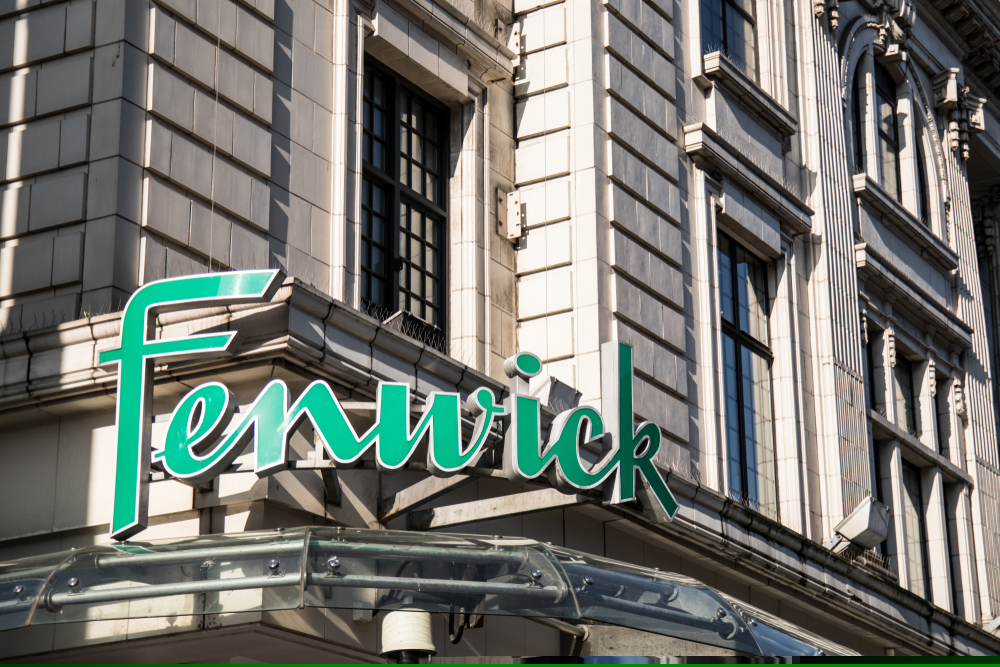

Fenwick, a renowned department store chain, has announced a significant financial downturn, reporting a loss amid a tough retail climate.
- High inflation and rising mortgage rates have been cited as major factors impacting Fenwick’s sales and overall financial performance.
- The company’s sales have declined by 7%, with heavy discounting from competitors further exacerbating the situation.
- Efforts to return to profitability include optimising online operations and enhancing customer service standards.
- A significant leadership change occurred recently, with an incoming CEO’s appointment being abruptly cancelled due to controversies.
Fenwick, a well-established name in the department store sector, has reported a financial loss for the first time in a challenging retail environment. The company cited high inflation as a key factor in this downturn, impacting both sales and operational costs significantly. The reported pre-tax loss of £28.4 million marks a stark contrast from the £57.1 million profit reported the previous year.
The financial strain on Fenwick has been further compounded by a 7% decrease in sales, dropping from £199.7 million to £184.2 million. The retailer attributed this decline to the ongoing effects of the cost-of-living crisis, with high mortgage rates further tightening consumer spending power. Additionally, Fenwick highlighted that competitors’ aggressive discounting strategies have posed challenges to its pricing and cost management efforts, squeezing its margins further.
In response to these adversities, Fenwick is actively working towards financial recuperation. The company aims to refine its operational model by prioritising efficiency in online operations and bolstering revenue growth across both digital and physical retail spaces. This strategic pivot includes an emphasis on differentiated customer service and maintaining product margin integrity, leveraging Fenwick’s strong local market presence to foster recovery.
Recently, Fenwick showcased its commitment to reinventing its customer experience with the opening of a revamped beauty hall at its Newcastle flagship location. Spanning 26,000 square feet and showcasing 163 brands, this new space exemplifies Fenwick’s innovative approach to retail amidst adversity.
The company’s leadership landscape was recently jolted by the news that the appointment of Nigel Blow, a former Harrods executive, as CEO would not proceed. This decision emerged following allegations linked to former Harrods owner Mohamed Al Fayed, reflecting strategic challenges at the executive level as Fenwick navigates its future.
Fenwick continues to navigate significant financial and operational challenges as it strives to regain stability and profitability.

