

Abbott (NYSE: ABT) has received US Food and Drug Administration authorisation for the Libre Duo 10 Day, a dual glucose-ketone sensor the company describes as the first device of its kind, Abbott said on 25 August 2026.
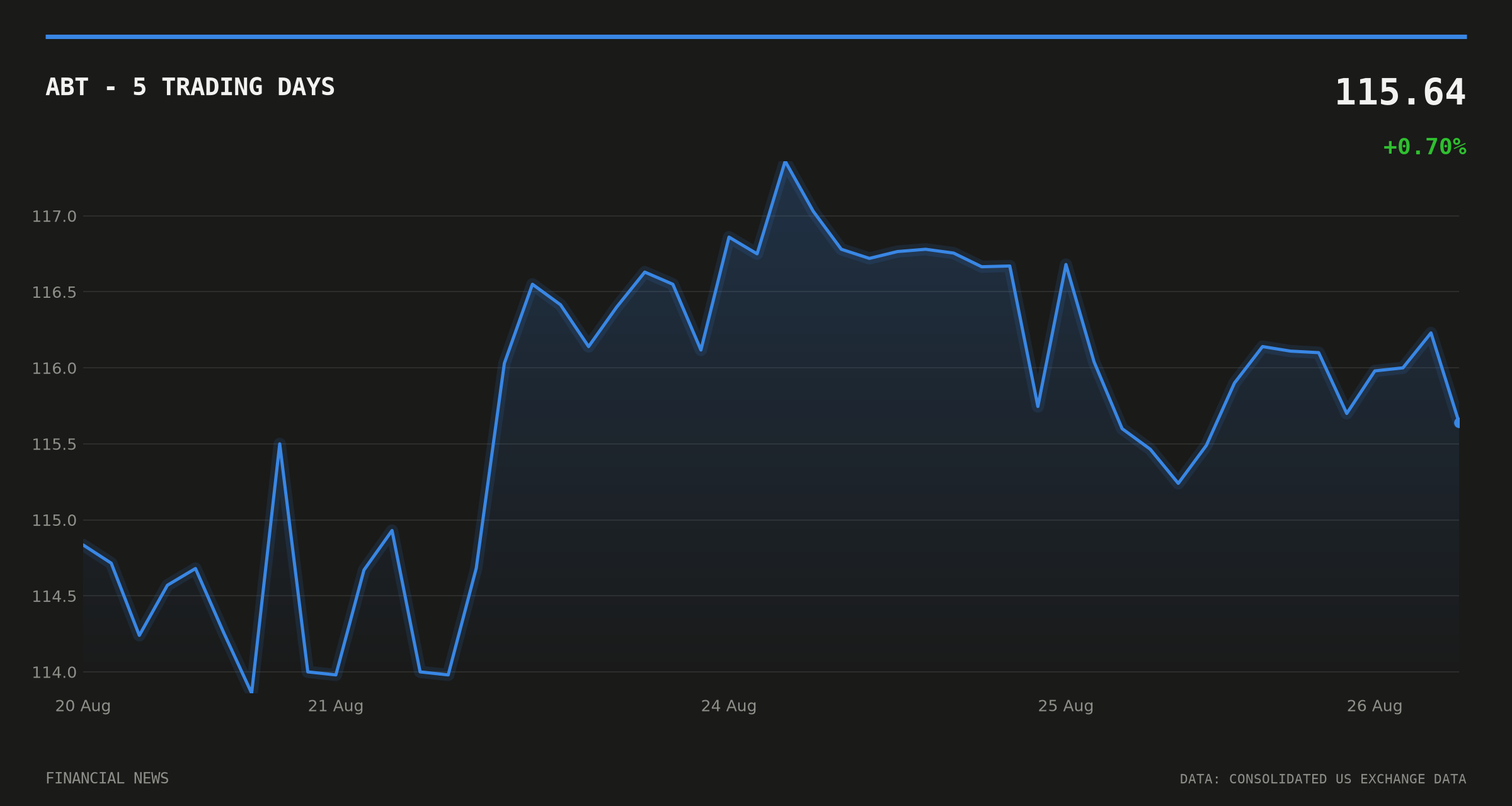
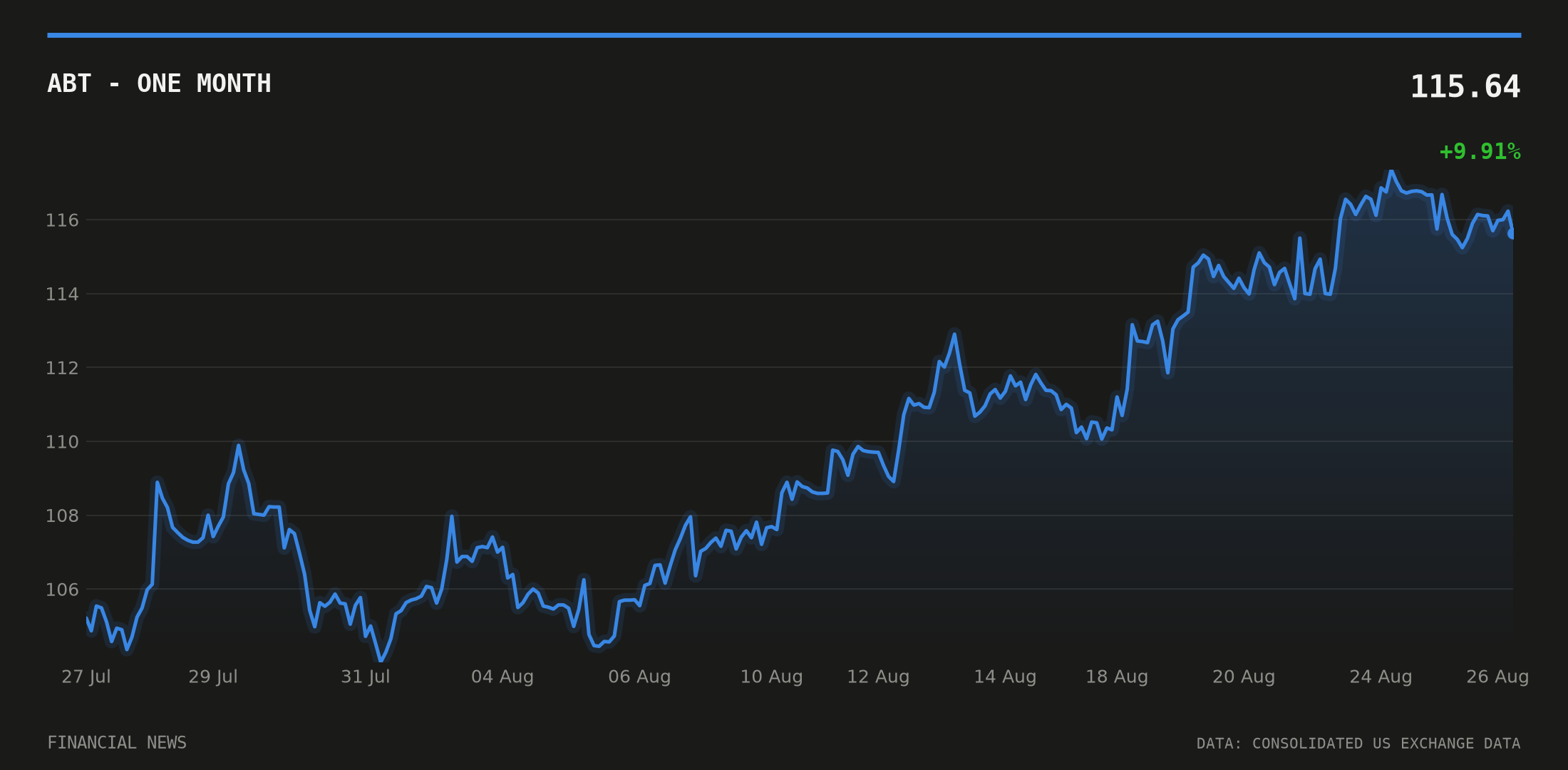
Abbott shares closed at $115.82 on 26 August, up 10.86% over the previous 20 trading days and close to that period’s high of $117.36, according to consolidated exchange data cited alongside the announcement.
The FDA confirmed the Libre Duo is the first wearable to track glucose and ketones together, granting the authorisation through its De Novo pathway after Abbott had already secured Breakthrough Device status. Michelle Tarver, director of the FDA’s device centre, called it ‘a breakthrough for the safety of children and adults living with diabetes.’
The device is cleared for people aged two and over, offers up to ten days of continuous wear, and is designed to plug into Abbott’s existing Libre app and digital ecosystem, as well as automated insulin delivery systems. Rising ketone levels can signal diabetic ketoacidosis, a potentially fatal complication that glucose monitors alone do not catch.
A new device category, and a new race
The authorisation effectively creates a fresh regulatory lane for combined glucose-ketone monitoring, and Abbott is not the only company positioning for it. Medtronic’s spun-off MiniMed unit (NASDAQ: MMED) has separately struck its own arrangement with Abbott to develop dual glucose-ketone sensors, according to Investing.com, pointing to a wider scramble among device makers to build around ketone data rather than glucose alone.
Abbott plans to connect the Libre Duo with Beta Bionics’ iLet and Sequel Med Tech’s twiist insulin pumps by late 2026, as first reported by HIT Consultant. An Abbott diabetes-care executive, Chris Scoggins, framed the shift in an interview with Medical Device Network: ‘if glucose monitoring is the speedometer, ketone monitoring is like the check-engine light.’
DexCom (NASDAQ: DXCM), Abbott’s main rival in continuous glucose monitoring, saw five insiders including chief executive Kevin Sayer file Form 4 disclosures with the SEC on 24 and 25 August, the same window as Abbott’s announcement. The filings carry no share counts or transaction values, so they offer no basis for reading them as a response to the Abbott news.
Financial backdrop
Abbott’s diabetes-care push sits within a broader business that reported $11.16bn in revenue for the first quarter of 2026, with diluted earnings per share of $0.61 and net income of $1.077bn, according to its 10-Q filing with the SEC. For the full 2025 year, Abbott reported revenue of $44.328bn and diluted EPS of $3.72, per its annual report.
Short interest in Abbott stock has eased through the run-up to the announcement. FINRA daily short-sale volume data show the ratio for ABT falling to 0.318 on 25 August, down from 0.586 on 21 August, according to FINRA figures.
What happens next
Abbott has said it intends to launch the Libre Duo 10 Day in the US later in 2026, with compatibility for insulin pump systems from Beta Bionics and Sequel Med Tech expected in the same window. Trade press coverage has also pointed to a rise in US hospital admissions linked to diabetic ketoacidosis over the past decade, the clinical gap the new sensor category is meant to address. With Medtronic’s MiniMed unit already working with Abbott on rival ketone-sensing technology, the next test for the dual glucose-ketone sensor market will be how quickly competing devices reach FDA review under the pathway Abbott has just opened.
This article is for information only and is not investment advice or a recommendation to buy or sell any asset. Markets move quickly; figures are correct as sourced at the time of writing. Always do your own research before making financial decisions.
