
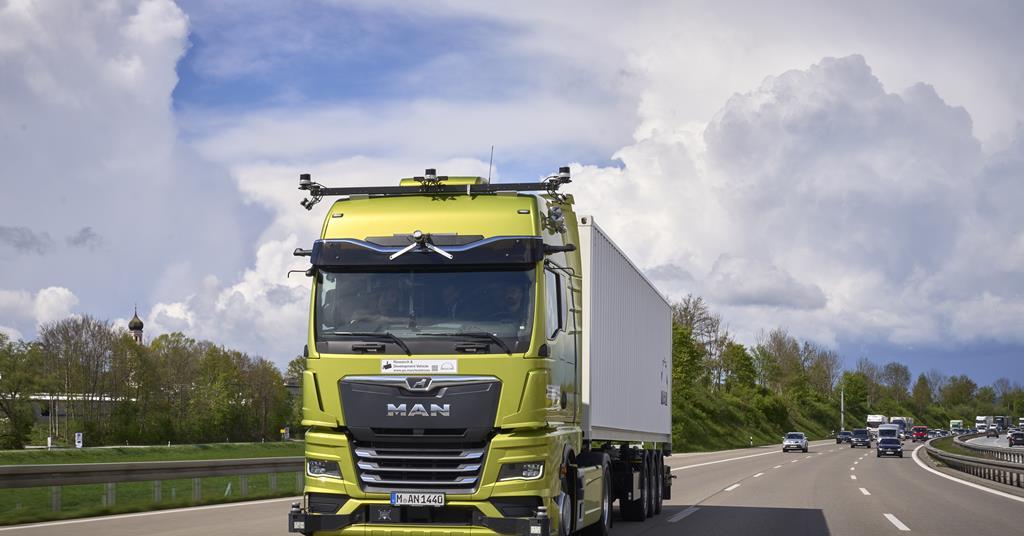

Truck drivers express significant concerns regarding the safety of autonomous HGVs amidst their increasing presence on motorways.
- Adverse weather conditions are a major worry, affecting the reliability of autonomous functions.
- Rural roads pose challenges for driverless technology due to narrow passages and unpredictable obstacles.
- There are apprehensions about the technology’s reliability in unforeseen situations and errors in navigation.
- The potential cyber threat to autonomous systems is a significant concern among industry stakeholders.
In recent developments, truck drivers have voiced serious concerns over the safety of autonomous Heavy Goods Vehicles (HGVs) as these vehicles begin trials on German motorways. The introduction of such technology, though advanced, has been met with scepticism from the driving community who are wary of the vehicles’ ability to handle unpredictable weather and complex road conditions.
Among the chief concerns is how these driverless HGVs will manage adverse weather conditions. A driver noted that even in light rain, existing truck systems fail, questioning the readiness of autonomous technology for real-world application without a human driver.
The capability of autonomous HGVs to navigate rural and less accessible roads has also been debated. Drivers have pointed out the difficulties these vehicles may face in such environments, with one describing potential challenges like narrow roads and misnavigation due to incorrect postcodes, which happen frequently.
There is significant debate about the operational reliability of HGVs when tackling unforeseen situations. Drivers are sceptical about how these vehicles will cope with unexpected scenarios such as blocked roads in industrial estates or the demands of reversing into tight spaces laden with parked vehicles.
Cybersecurity remains a pressing issue, as digital systems within these vehicles must calculate vast data in real-time. The rise in malware and ransomware incidents heightens fears of critical vulnerabilities that could impede autonomous operations, despite assurances from developers.
However, counterarguments highlight that human error is responsible for 99% of road accidents, and that autonomous technology could potentially reduce these numbers by enhancing safety measures. This suggests an eventual positive impact on the road transport industry, despite current driver hesitations.
The introduction of autonomous HGVs presents significant potential but not without raising substantial safety and operational concerns that need resolution.

