
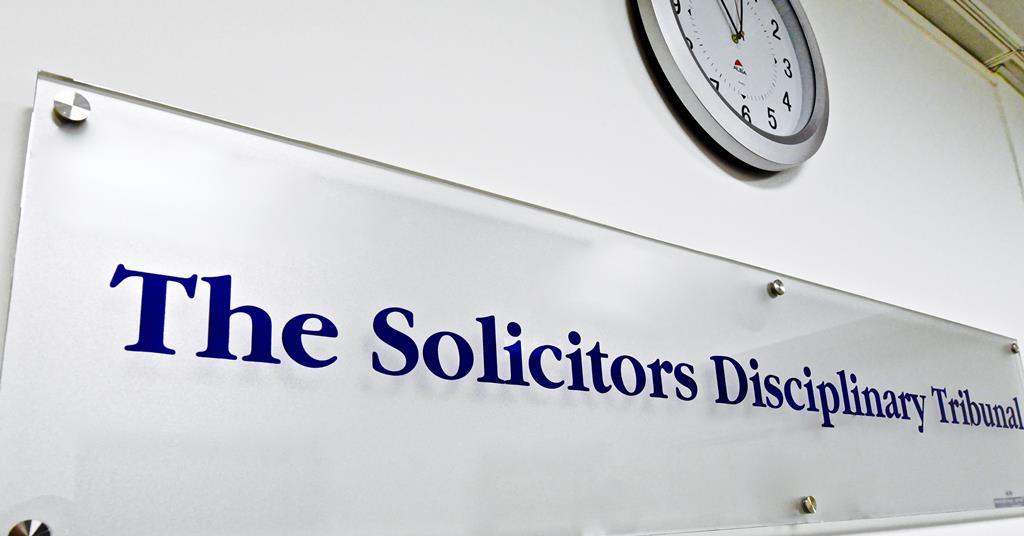

A City law firm, Candey Limited, has been cleared of misconduct allegations related to anti-money laundering checks.
- The Solicitors Disciplinary Tribunal ruled in favour of Candey, stating enhanced due diligence was not mandatory.
- Richard Morris, a former partner, admitted a mistake but was not found guilty of authorising improper transactions.
- The case highlights ongoing challenges in the legal profession regarding compliance with evolving regulations.
- Candey Limited expressed disappointment over the regulator’s lack of engagement on substantive details.
The recent judgment by the Solicitors Disciplinary Tribunal (SDT) has exonerated the City law firm Candey Limited from allegations of breaching anti-money laundering (AML) regulations. The Solicitors Regulation Authority (SRA) had accused them of failing to conduct adequate checks, but the tribunal concluded that the allegations were unproven.
Richard Morris, a former partner at Candey, admitted to an oversight regarding client checks, yet the tribunal found no evidence to suggest he authorised any questionable transactions or misused client accounts. His admission was seen as a mistake of inexperience rather than a deliberate act.
This ruling marks the second occasion this year where the SRA has been unable to demonstrate misconduct in cases involving AML compliance. Like the previous case against international firm Dentons, Candey’s case prompted the regulator to incur substantial costs without securing a successful outcome.
The case centred around a transaction involving a £20 million sale of agricultural land, where Candey’s client was indirectly associated with a convicted fraudster. Despite receiving £24 million in the client account for this deal, the SDT determined that neither Candey nor Morris were required to undertake enhanced due diligence under the rules applicable at the time.
Morris defended his actions by highlighting the lack of clarity and awareness within the profession regarding AML regulations in 2015. He criticised the SRA’s approach, suggesting that clearer guidance and communication on AML rules could have mitigated the situation.
The financial implications of the tribunal’s decision were significant. Although Morris was fined £6,000 and required to pay £10,000 in costs, the tribunal did not order Candey to cover the SRA’s costs. Consequently, both parties bore their own expenses, which illustrated the contentious nature of the regulator’s case.
Following the ruling, Candey Limited criticised the SRA for not engaging adequately with the firm on the specific details of the case. The firm believed that a more informed dialogue could have prevented the unnecessary expenditure of time and resources.
The tribunal’s decision underscores the complexities surrounding AML compliance and the need for clear regulatory guidance.

