
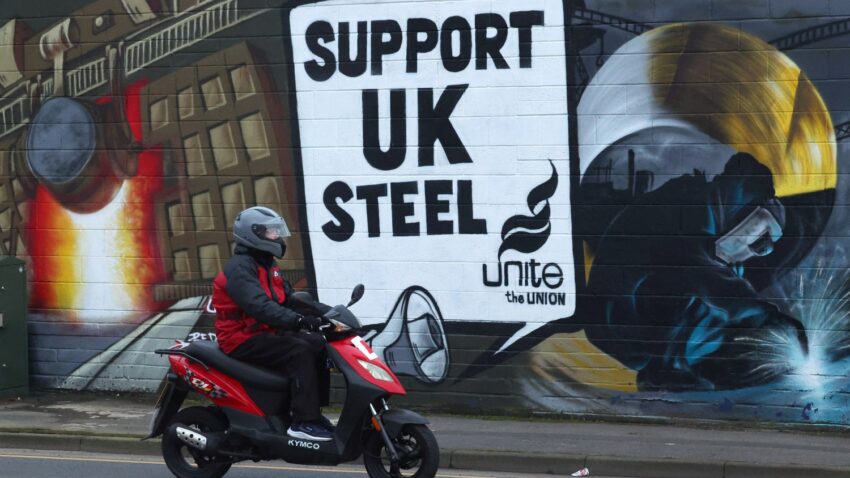

British Steel has announced plans to cut 2,500 jobs, despite receiving £600 million in taxpayer support for its green transition. This decision casts doubt on the future of UK steel production.
The company’s shift to relying on imported steel, particularly from China, has drawn criticism from unions and political figures alike. Concerns are rising about the sustainability of domestic steelmaking.
British Steel’s Strategic Challenges
British Steel, now under the ownership of China’s Jingye Group, is navigating significant financial challenges, reportedly incurring losses of £1 million per day. This financial strain is a compelling factor behind the company’s decision to cut 2,500 jobs. These cuts are occurring despite a £600 million package from the UK government aimed at promoting a greener future for steel production.
The company is in discussions with the UK government as part of a £1.3 billion decarbonisation strategy. This initiative includes plans to curb coking coal imports earlier than anticipated, potentially phasing out domestic steel production in favour of imports from China. Such a shift raises critical concerns about the sustainability of UK steel production, which is vital for the country’s infrastructure projects.
Union representatives have voiced strong opposition, highlighting the devastating impact this move could have on communities reliant on steel production. Charlotte Brumpton-Childs of GMB expressed deep concern over the closure of the Scunthorpe blast furnaces, stressing the urgent need for dialogue between unions, British Steel, and the government to safeguard these jobs.
Impact on UK Steel Industry
The potential replacement of three million tonnes of UK-produced steel with imports from China signifies more than just job losses. It poses a strategic threat to the entire UK steel industry. The importance of domestic steel production cannot be overstated, given its crucial role in sectors such as construction, rail, and energy.
Experts warn that reliance on imported steel could jeopardise the UK’s ability to efficiently complete critical infrastructure projects. These projects range from nuclear reactors to wind turbines, which are essential components of the nation’s energy strategy. The move to foreign steel imports could undermine the resilience and self-sufficiency of the UK’s industrial base.
This development underscores a broader shift in the UK’s industrial landscape, potentially leading to increased dependencies on international supply chains. It also highlights the fragility of domestic industry in the face of global market pressures and political decisions.
Political Reactions and Implications
The decision to cut jobs has stirred political controversy, particularly with Labour’s engagement with Jingye regarding a potential rescue plan. This move has been criticised by some political figures, such as Kevin Hollinrake, the shadow business secretary, who accused Labour of undermining the UK steel sector.
Labour’s support for imported steel, despite previous commitments to invest in local production, has been perceived as a political betrayal by critics. This position contrasts with the party’s historical advocacy for domestic industry. The political fallout from these developments could have lasting consequences on party policies and public perception.
Amidst this controversy, the government’s stance on supporting British Steel’s green transition remains uncertain. The pending decision on the future of the Scunthorpe operations casts uncertainty over thousands of jobs. It reflects the delicate balance between pursuing environmental goals and sustaining domestic industries.
Union and Community Response
Union leaders have been vocal in their discontent, demanding immediate engagement with British Steel and governmental authorities. They argue that the lack of consultation about the job cuts undermines worker rights and community stability, urging for a reconsideration of the strategy.
The community’s dependence on the steel industry underscores the socio-economic impact of these potential job losses. The closure could lead to significant economic downturns in regions heavily reliant on steel production. The ripple effect of such closures extends beyond immediate job losses, affecting local businesses and public services.
Ensuring effective communication and consultation processes between the company and its stakeholders is crucial in managing this industrial transition. It is essential for fostering an environment where the interests of all parties, including employees and local economies, are adequately considered.
Future of UK Steel Production
The uncertainty surrounding British Steel’s future highlights the broader concerns regarding the viability of the UK steel industry. The potential shift to imported steel challenges the national commitment to domestic production and raises alarms about energy security and industrial policy.
With British Steel’s operational focus shifting, questions arise about the strategic vision for UK steel. Will it adapt to greener practices while maintaining local production? Or will economic pressures lead to an increased reliance on global imports?
This situation calls for a comprehensive national strategy that aligns environmental objectives with economic resilience. It prompts policymakers and industry leaders to rethink current approaches to sustainable industrial development.
Addressing these challenges requires innovative solutions and investment in technology that supports sustainable practices. It also necessitates a collaborative approach that involves all stakeholders, including the government, industry players, and local communities.
Government’s Role and Decisions
The role of the government in steering the future course of British Steel cannot be overstated. Their decisions will shape the trajectory of the UK’s steel industry, balancing the green transition with economic sustainability.
Pending government decisions on the company’s decarbonisation plans will significantly impact future operations and employment levels in the sector. A robust policy framework is essential to facilitate an effective transition that protects jobs while advancing environmental goals.
It is imperative for the government to clearly articulate its vision for the steel industry, ensuring transparency and accountability in its actions. Such clarity will provide confidence to stakeholders and help in stabilising the industry amidst global uncertainties.
Stakeholder Engagement
Effective stakeholder engagement is crucial in navigating the challenges faced by British Steel. Constructive dialogue between the company, government, unions, and local communities can pave the way for solutions that safeguard both jobs and industrial capabilities.
Building trust among stakeholders requires a commitment to transparency, mutual understanding, and shared goals. The complexity of the issues at hand demands collaborative efforts and innovative problem-solving approaches.
Ultimately, the success of any strategy will depend on the willingness of all parties to engage in meaningful conversations and work towards a sustainable future for the UK steel industry.
The future of British Steel remains uncertain as the company navigates financial challenges and strategic decisions. Stakeholder engagement and government policies will be pivotal in shaping the industry’s path forward.
Ensuring a sustainable steel industry that balances green initiatives with economic needs is crucial. The coming months will be telling for both British Steel and the wider UK steel sector.

