
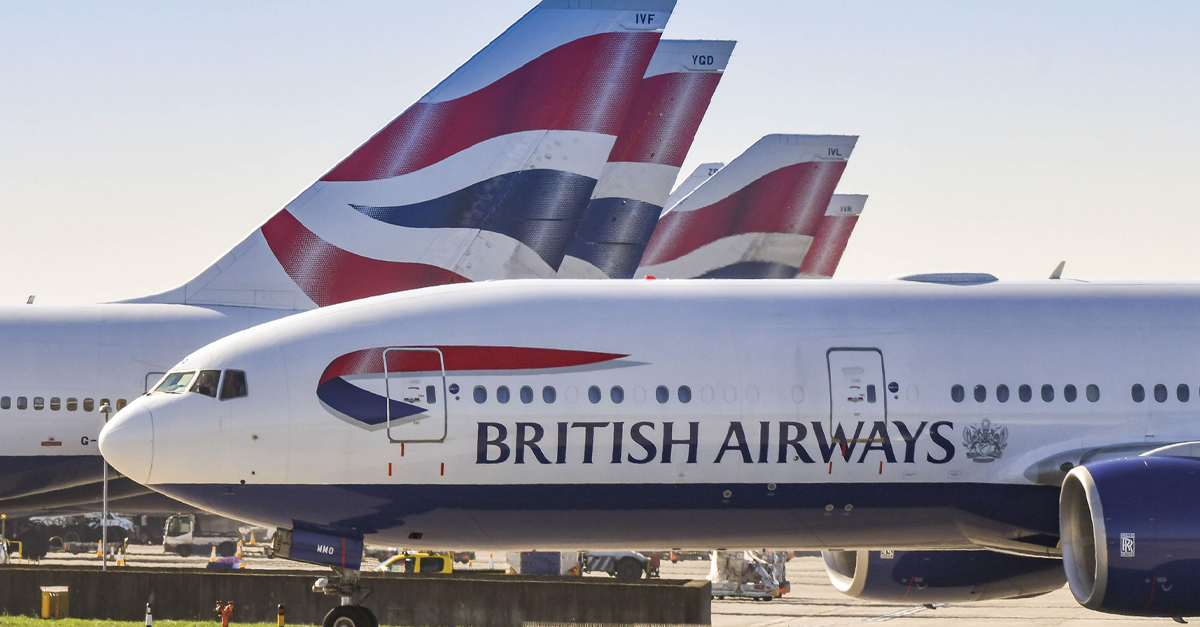

British Airways is embarking on a £7 billion transformation effort aimed at refining its operational capabilities and customer service.
This massive investment underscores a strategic shift towards technological advancement and resolving operational challenges, marking a new era for the airline.
Transformational Ventures
The unveiling of British Airways’ £7-billion transformation plan at a recent event in London marks a significant shift in the airline’s operational strategy. The programme focuses on overhauling technology platforms, enhancing customer experience, and improving operational resilience. British Airways has committed extensive resources towards achieving these goals, indicating a serious intent backed by substantial investment.
Chief Executive Sean Doyle described the transformation as ‘the most significant in our history’, underscoring a commitment to operational resilience alongside investments in IT, recruitment, and sustainability. Despite challenges during his three-year leadership, Doyle emphasised the authenticity of the initiative, stating, ‘This isn’t just chat. It’s backed by significant investment.’
Technological Advancements
A highlight of the showcase was the preview of British Airways’ technology enhancements, which range from refurbished lounges to new leather seating in the short-haul fleet, starting April. Further introducing delay-monitoring systems and advanced inflight communication reflects a comprehensive technological upgrade.
The £750 million budget is dedicated to a new operational system transition, moving from an ageing legacy platform to the cloud. However, it’s noted that much of this IT transformation had already been underway for some years. The investment includes not only current spending but also allocations from previously placed aircraft orders, reflecting a long-term strategic approach.
Operational Challenges and Improvements
British Airways’ operational performance has faced scrutiny, notably in comparison with sister airline Iberia, which boasts a significantly higher on-time performance.
The airline’s recent improvements have been highlighted, with 80% of departures from Heathrow on time in January, up from 67% in December. Sean Doyle explained that the challenging environment in London necessitated improvements in management and resource allocation, contributing to a better performance.
IT investments and resource enhancements are pivotal in resolving passenger issues more swiftly and ensuring proactive solutions for inflight concerns. An internal campaign under the mantra ‘Don’t waste a second’ has been integral to these improvements.
Customer Experience and Digital Enhancements
Calum Laming, Chief Customer Officer, reassured attendees of British Airways’ dedication to maintaining its status as a premium airline. This came following reduced services in short-haul flights under prior leadership.
Commercial advancements include a revamped ba.com website, set to launch later this year, focusing on personalisation. Parts of the existing site date back 24 years, and the new design promises significant service enhancement.
The technology upgrades span beyond aesthetics, offering solutions to deal with disruptions. Features such as the ability for customers to re-book on other airlines during cancellations and instant hotel voucher texting are set to become available later this year.
Labour Relations and Recruitment
The relationship between British Airways and its workforce is showing signs of recovery, following previous tensions due to pandemic-related restructuring.
Lisa Tremble, Head of People and Sustainability, reported the recruitment of 7,000 new staff in the last year, marking a positive turn in employer-employee relations. Improved dialogue with trade unions is noted, acknowledging their critical role within the airline’s framework.
Despite past criticisms, there is an evident effort to rebuild trust and cooperative engagement with the workforce, a crucial component for the airline’s future success. This external showcasing of improved relations is both strategic and necessary.
Economic Insights
BA’s parent company, IAG, recently posted impressive financial results, with an operating profit of €3.5 billion. British Airways contributed €1.4 billion to this figure, highlighting the airline’s importance within the group.
The demand for leisure travel remains robust, identified as the primary growth driver across all cabin classes. Despite fluctuations, the financial health of the airline sets a foundation for its expansive transformation plans.
Ahead of the critical Easter travel period, operational tests loom large, potentially validating or scrutinising the improvements heralded by the airline.
British Airways’ transformative journey, backed by significant investment, aims to elevate its operational efficiency and customer satisfaction.
The upcoming travel seasons will serve as a litmus test for these ambitious improvements, setting the stage for potential industry leadership.

