

Barrhead Travel is embracing technology to refine how they handle customer call processing, integrating AI into their systems for better efficiency and customer service. Key highlights include:
Barrhead Travel has taken a significant step forward by integrating artificial intelligence into their telephony system to augment call processing capabilities. This system is designed to streamline customer enquiries, ensuring that clients are directed to the most appropriate agents with relevant expertise. According to Nicki Tempest-Mitchell, the company’s Sales and Marketing Director, this move is part of a broader strategy to enhance both front-end and back-office functions while maintaining a cautious approach, particularly regarding the inclusion of business data.
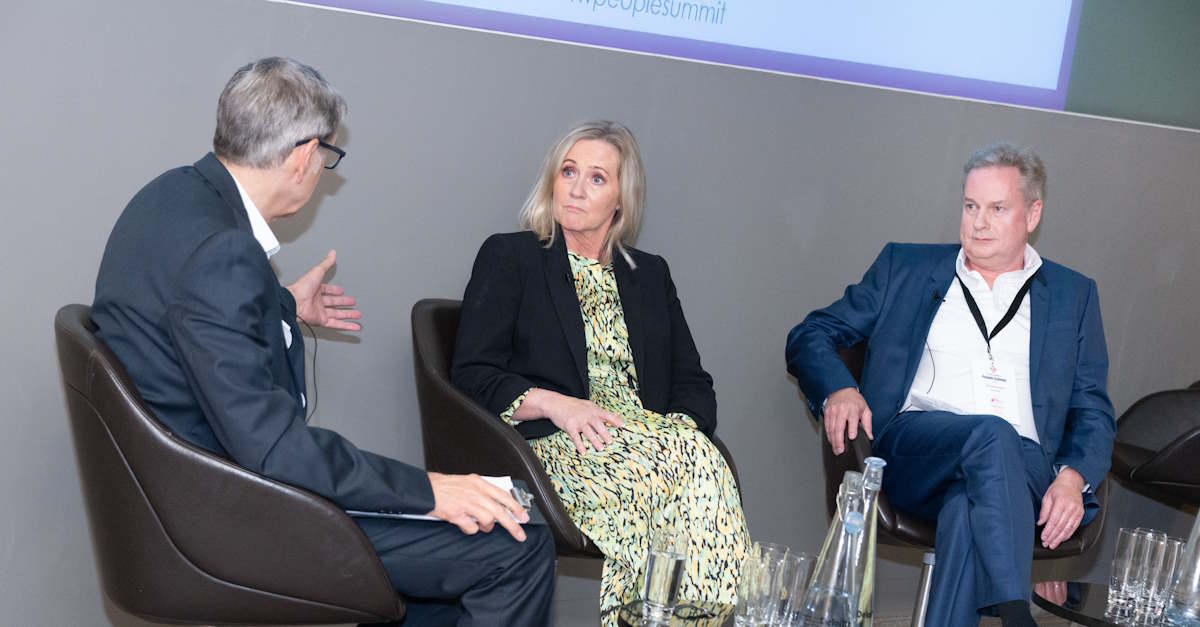
In a recent discussion at the industry People Summit, Tempest-Mitchell articulated the organisation’s commitment to incorporating advanced technologies with caution. She emphasised that, despite the promising capabilities of AI, there remains a deliberate choice not to use business data in AI training to prevent any unwanted dissemination of information into the public domain. This approach reflects a broader industry concern about data privacy and the risks associated with AI.
Simon Powell, Chief Executive of Inspiretec, who appeared alongside Tempest-Mitchell, endorsed the integration of generative AI within the travel sector. He described the technology as transformative, capable of automating routine tasks and thereby liberating staff to focus on more critical aspects of their operations. Powell acknowledged that while AI is not infallible, it holds potential as a powerful tool to jointly improve productivity when coupled with human skills, a sentiment echoed by many in the industry.
The telephony system employed by Barrhead assists in determining the level of consumer interest in specific destinations or products, providing invaluable insights for decision-making processes. Nevertheless, the agency has opted not to utilise AI for content marketing purposes to avoid redundant information affecting search engine optimisation (SEO). This decision underscores the ongoing balance between embracing technological advancements and maintaining unique digital content to attract and retain customer engagement.
Both Tempest-Mitchell and Powell underline that the integration of AI does not correlate with a reduction in workforce. On the contrary, it is viewed as a complementary enhancement to existing staff capabilities, ensuring that the role of AI is facilitative rather than reductive. Powell further advised industries to welcome AI’s evolution, remarking on its unprecedented pace of development and urging businesses to engage with this inevitable shift.
Incorporating AI into business operations offers immense possibilities, yet it mandates a cautious and informed approach to maximise benefits while safeguarding data.

