
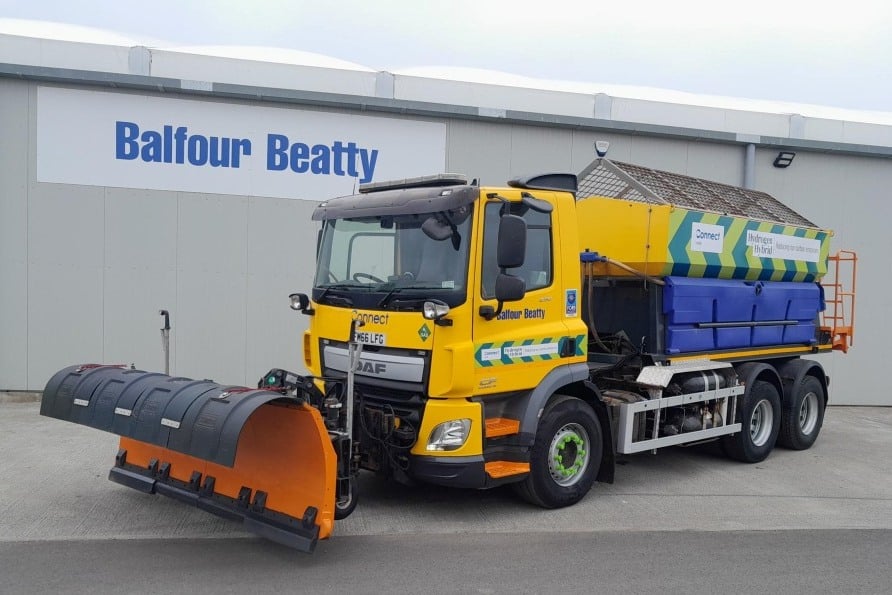

Balfour Beatty is pioneering hydrogen technology in construction as part of their project in Glasgow.
- Three vehicles have been retrofitted to utilise hydrogen fuel, marking a significant step towards cleaner construction practices.
- The initiative includes the establishment of Scotland’s first construction-focused hydrogen hub.
- Notable progress has been made in reducing carbon emissions, though the ultimate target remains unmet.
- The initiative faces challenges, particularly with the cost of retrofit and the limited hydrogen infrastructure.
Balfour Beatty has embarked on a forward-thinking project to retrofit machinery on a Glasgow construction site for hydrogen fuel use. This ambitious move aims to significantly reduce carbon emissions within the industry, highlighting hydrogen’s potential as a sustainable energy source. Having converted three vehicles—a type of heavy vehicle used for road maintenance and safety—to operate on hydrogen, the initiative establishes a pioneering hydrogen hub in Scotland. This venture, supported by a £243,000 grant from the Scottish government, is conducted in collaboration with partners such as ULEMCo, Logan Energy, and PlusZero Power.
The project targets a 30% reduction in carbon emissions, though current assessments show a 26% decrease in road tests for the salt spreader vehicles, with slightly lower reduction rates for the accompanying impact protection vehicle. Balfour Beatty’s Environmental Sustainability Manager, Angela Pllu, noted, “So far, we’ve successfully retrofitted two salt spreader HGVs and one impact protection vehicle (IPV) and have set up green hydrogen supply, onsite storage, and refuelling infrastructure.” This statement underscores the comprehensive nature of the logistical arrangements supporting the project’s environmental goals.
Despite the promising outcomes, challenges persist, notably the high cost of retrofitting vehicles and the scarcity of hydrogen refuellers and gas in Scotland. As Angela Pllu explains, “One of the main lessons we have learned is that retrofitting existing vehicles with hydrogen technology is straightforward and effective, providing significant carbon savings. Vehicles can switch to diesel if hydrogen is unavailable, reducing risks associated with hydrogen supply.” This adaptability is crucial in mitigating supply chain vulnerabilities and operational risks.
Future plans include quarterly “lessons learned” sessions and site visits, as well as extensive testing of equipment during the winter maintenance season. Additionally, Balfour Beatty is committed to engaging with industry stakeholders to advocate for economically sustainable hydrogen fuel practices. As hydrogen supply infrastructure evolves, particularly post-2026, it is anticipated that accessibility and cost-effectiveness will improve, which could lead to broader adoption across the construction sector.
Balfour Beatty’s hydrogen trial in Glasgow is a pivotal development in sustainable construction, overcoming barriers to reduce carbon emissions.

