
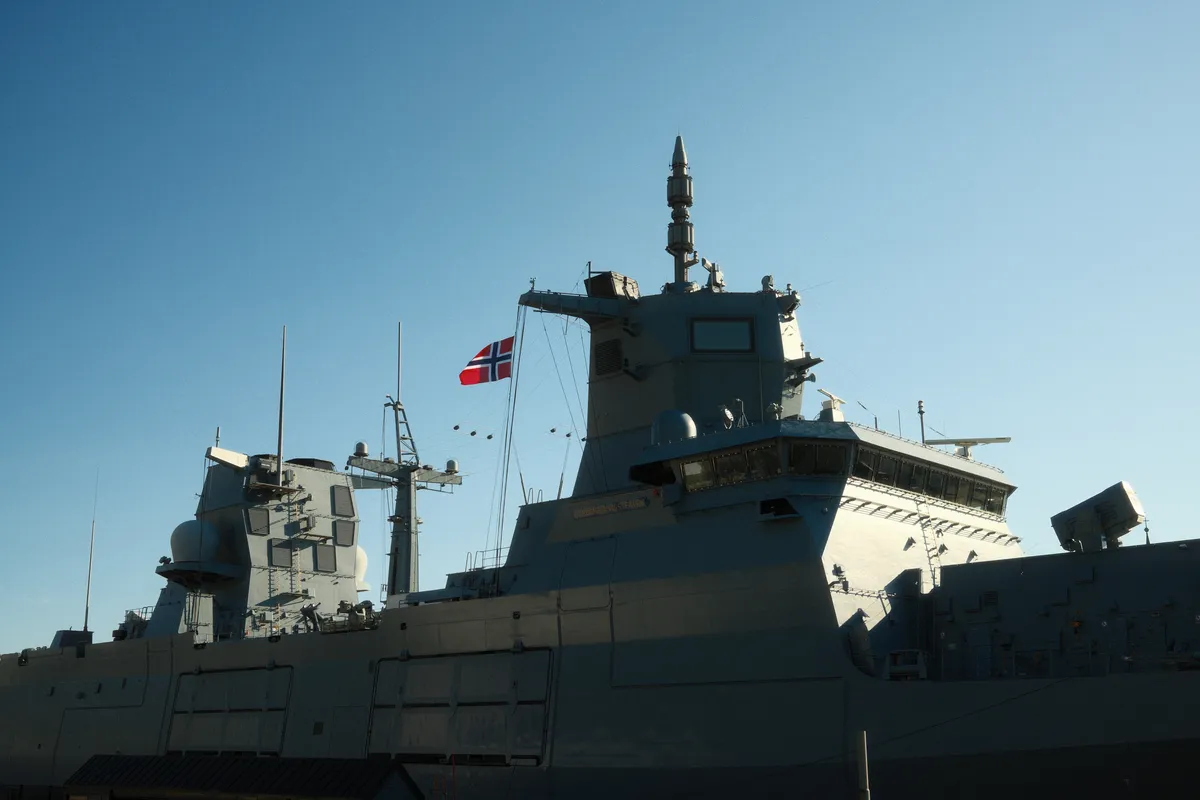

The London Stock Exchange filing confirms the Babcock Type 31 contract delivered a £140m charge that pulled reported profit before tax down to £267.2m for the year ended 31 March 2026, from £339.4m the prior year. Strip out that charge, however, and the underlying business beat its own margin target.
The Babcock Type 31 Contract Charge in Detail
Babcock signed a fixed-price contract in 2019 to deliver five Type 31 frigates to the Royal Navy. Higher-than-expected rework costs driven by inflation and design changes during the outfitting phase produced the £140m charge, according to Reuters reporting republished via Global Banking and Finance Review.
Including the charge, underlying operating profit for FY26 came to £293m, with an underlying operating margin of 5.7%, according to Babcock’s FY26 final results RNS. Excluding it, underlying operating profit rose to £433.3m from £362.9m the prior year, pushing the underlying operating margin to 8.2%, above the company’s stated 8.0% target.
Revenue rose 8% to £5.1bn for the year ended 31 March 2026, up from £4.8bn the prior year. Costly rework and design changes in the final quarter weighed on the top line, which had been tracking at £5.3bn in the prior trading update.
Babcock reiterated its guidance for the coming year. The company said higher defence spending from governments would bolster demand for its core defence and civil nuclear businesses, adding that the ‘nature of conflict evolves rapidly’, increasing the need for new technology. While some governments ‘are balancing these priorities against fiscal constraints’, ‘demand is increasingly structural’, it said.
Shares fell 4.3% in early trading to 1,004p, taking the decline since January to 21.1%.
Nuclear and Aviation Drive Divisional Growth
Nuclear revenue, which accounts for 40% of total income, climbed 14% to £2bn, supported by growth in the Cavendish nuclear business and higher nuclear submarine support activity. Global expenditure on new nuclear power is now expected to reach $2.2 trillion by 2050, with the UK government already allocating £2.5bn to support early deployment.
Aviation revenue surged 34% to £431.4m, following increased scope on UK military contracts and the commencement of work with the French Air Force and a Canadian helicopter service.
Marine revenue edged 2% higher to £1.6bn. Growth in the commercial business was offset by the Type 31 penalty and lower maintenance volumes across UK and international naval fleets.
Land revenue fell 3% to £1.1bn. The civil rail business saw lower volumes after completing the Belfast Grand Central Station project, and demand for equipment in Africa declined following the reduction of several mining smelters in the region.
Balance Sheet, Dividend, and Backlog
Net debt to EBITDA on a covenant basis improved to 0.2x for the year ended 31 March 2026, from 0.3x the prior year, per the final results RNS.
Babcock raised its full-year dividend 15% to 7.5p per share, from 6.5p for the year ended 31 March 2025. The company also completed its £200m share buyback programme and announced the start of a new one, expected to begin in the 2027 financial year.
The contract backlog fell to £9.8bn from £10.4bn, reflecting movements across business units. Richard Hunter, head of markets at Interactive Investor, said Babcock had been ‘selected as the prime industrial partner in Indonesia’s £4 billion Maritime Partnership Programme and an expansion of Babcock’s partnership with HII, the largest military shipbuilder in the US, to include a nuclear submarine programme.’
Separately, Babcock’s AGM trading update disclosed that the company was awarded a c.£65m Capability Insertion Programme contract on a sole-source basis in April, in connection with the Type 31 frigate programme, providing a partial offset to the losses recognised on the fixed-price deal.
Labour’s Defence Investment Plan, which prompted the resignation of former defence minister John Healey after he argued draft proposals fell ‘well short’ of a 3% GDP target by 2030, remains a live question for the UK order book. Whether domestic spending accelerates to match Babcock International‘s structural demand thesis will be the central test for the group’s marine pipeline over the next two years.
