
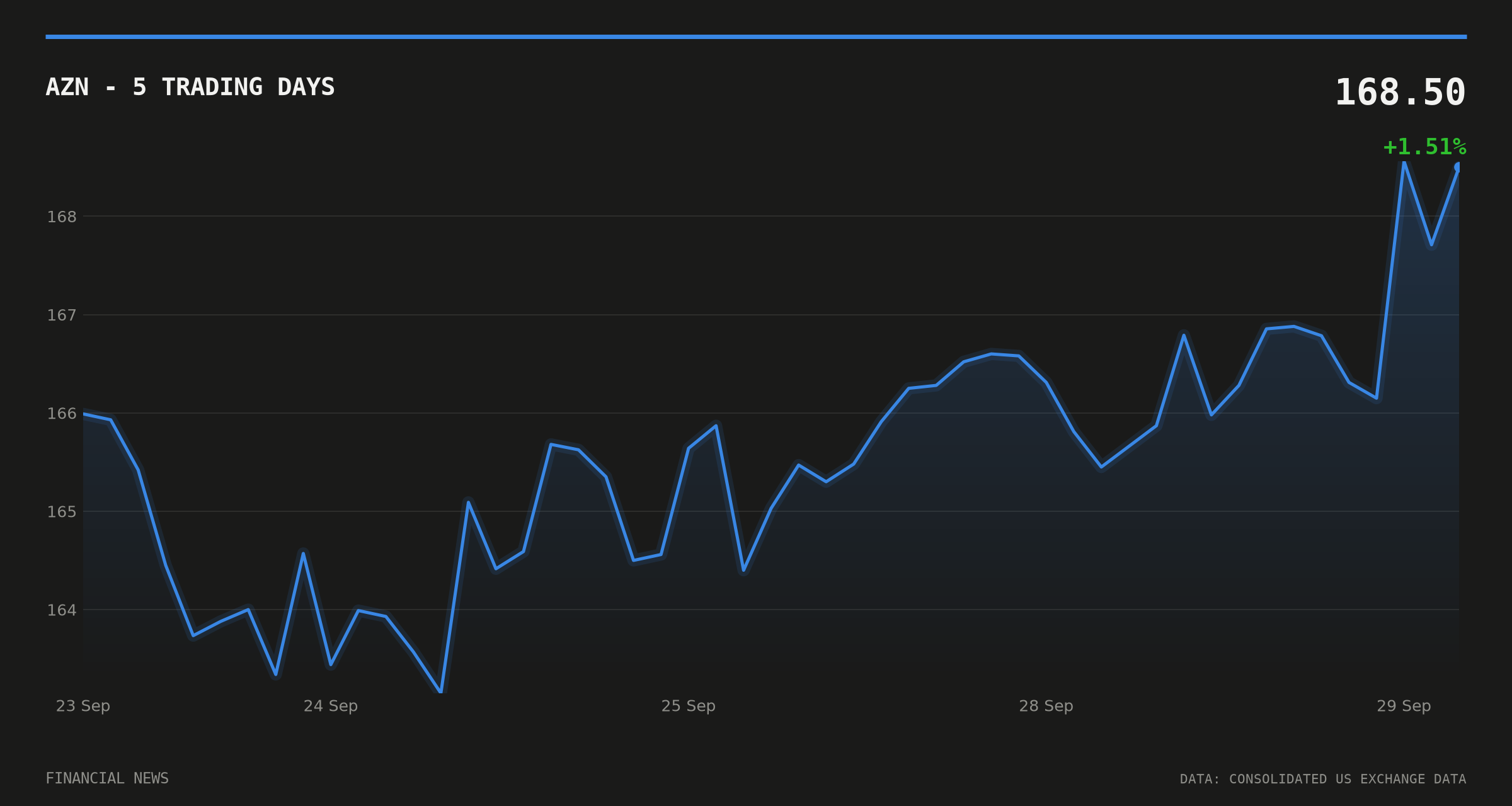

AstraZeneca (LSE/NYSE: AZN) agreed on 28 September 2026 to invest $2bn in Summit Therapeutics (NASDAQ: SMMT), pairing the cash injection with a clinical collaboration on cancer treatments.
The deal values Summit’s common stock at an effective $18.3561 a share, a premium of almost 19% to its prior close, according to Bloomberg.
AstraZeneca Summit Therapeutics investment structure
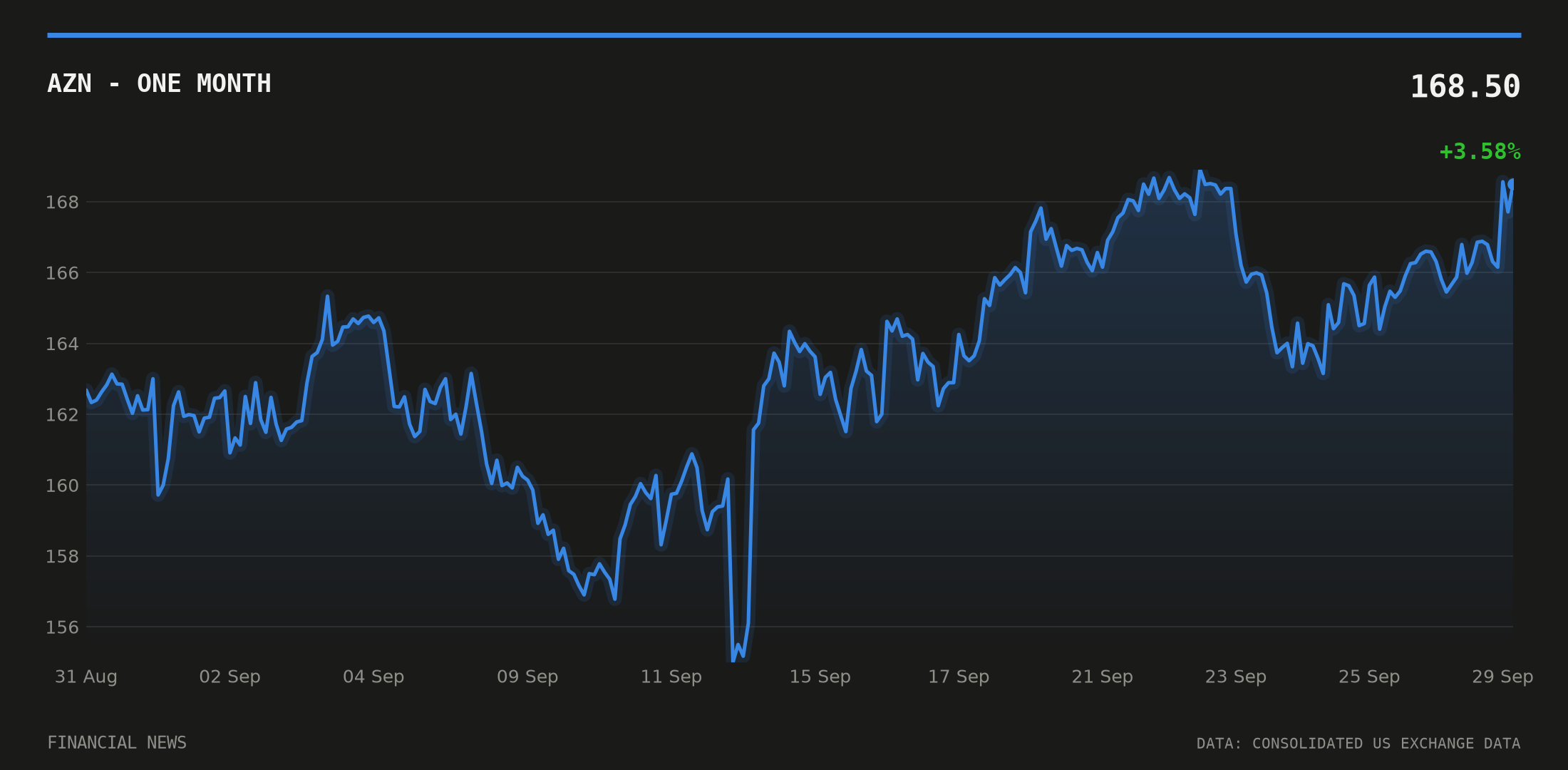
The Form 8-K filed with the SEC shows AstraZeneca is buying 108,955.3686 shares of newly issued Class A Convertible Preferred Stock at $18,356.14 each. Each preferred share converts into 1,000 common shares.
The structure is not a straight open-market equity purchase. It is preferred stock carrying a fixed conversion price, giving AstraZeneca a defined stake without buying directly into Summit’s volatile common shares.
Alongside the investment, the two companies struck a clinical collaboration to test Summit’s ivonescimab in combination with sonesitatug vedotin, an AstraZeneca antibody-drug conjugate, said AstraZeneca in its press release. Each company retains full rights to its own compound, with AstraZeneca sponsoring the combination trials, according to Yahoo Finance. That detail matters: this is a shared-cost study agreement, not a licensing deal or an acquisition, despite social-media speculation about a future buyout that remains unconfirmed.
Summit shares jump, AstraZeneca barely moves
Summit shares soared as much as 19% in after-hours trading following the announcement, Yahoo Finance reported. GuruFocus put the after-hours gain at more than 17%, while AstraZeneca’s own shares rose by nearly 1%.
AstraZeneca last traded at $168.50 as of 10:00 UTC on 29 September, up 0.99% on the day and 3.88% over the prior 20 trading sessions, according to consolidated US exchange data cited by Reuters. The stock’s 20-day range has run between $155.00 and $168.91, with trading volume around half its 20-day average on the day of the move.
FINRA short-sale volume data show AstraZeneca’s daily short ratio has been volatile through September, climbing from 0.135 on 15 September to a peak of 0.594 on 24 September before easing to 0.392 by 28 September, the day the Summit deal was announced, according to FINRA’s daily short sale volume data. The pattern suggests positioning around AstraZeneca shares was already shifting before the Summit announcement rather than reacting sharply to it, consistent with the muted single-day price move.
A cash-strapped biotech’s crown jewel
The investment lands weeks after Summit disclosed in its second-quarter 10-Q that its cash and short-term investments were not sufficient to fund planned operations for at least a year, raising substantial doubt about its ability to continue as a going concern, according to the filing with the SEC. The AstraZeneca cash addresses that shortfall directly.
Ivonescimab, Summit’s lead cancer drug, already has a commercial track record outside the US: the compound is approved for sale in China through Summit’s partner Akeso. In the US, the Food and Drug Administration is due to rule on Summit’s first ivonescimab application, in combination with chemotherapy for certain non-small-cell lung cancer patients, by 14 November 2026, a near-term catalyst flagged by Yahoo Finance.
The companies have also signed a non-binding memorandum of understanding that leaves room to pair ivonescimab with other AstraZeneca cancer compounds beyond sonesitatug vedotin, widening the scope of the tie-up beyond the initial combination study.
Macro backdrop
The deal arrives against a broader market backdrop of easing but still-elevated US borrowing costs. The 10-year Treasury yield stood at 5.17% on 25 September, down slightly from 5.18% the previous reading, while the 2-year yield eased to 4.81% from 4.87%, according to data from the Federal Reserve Bank of St. Louis. The 10-year/2-year spread narrowed to 0.32 percentage points from 0.36, a small but notable flattening for capital-intensive sectors including biotech, which depend heavily on financing conditions to fund clinical development.
US inflation, measured by the consumer price index, rose to 334.131 in August from 332.813 the prior month, while unemployment held steady at 4.1%, according to the same Federal Reserve data. Those readings underline why cash-strapped biotechs such as Summit have found external financing costly, making a strategic investor such as AstraZeneca an attractive route to funding late-stage trials without further diluting shareholders through open-market share sales.
The combination trials pairing ivonescimab with sonesitatug vedotin are expected to begin recruiting patients with gastrointestinal cancers, with further details likely to emerge as the collaboration progresses and as the FDA’s November decision on ivonescimab’s initial US indication approaches.
This article is for information only and is not investment advice or a recommendation to buy or sell any asset. Markets move quickly; figures are correct as sourced at the time of writing. Always do your own research before making financial decisions.
