
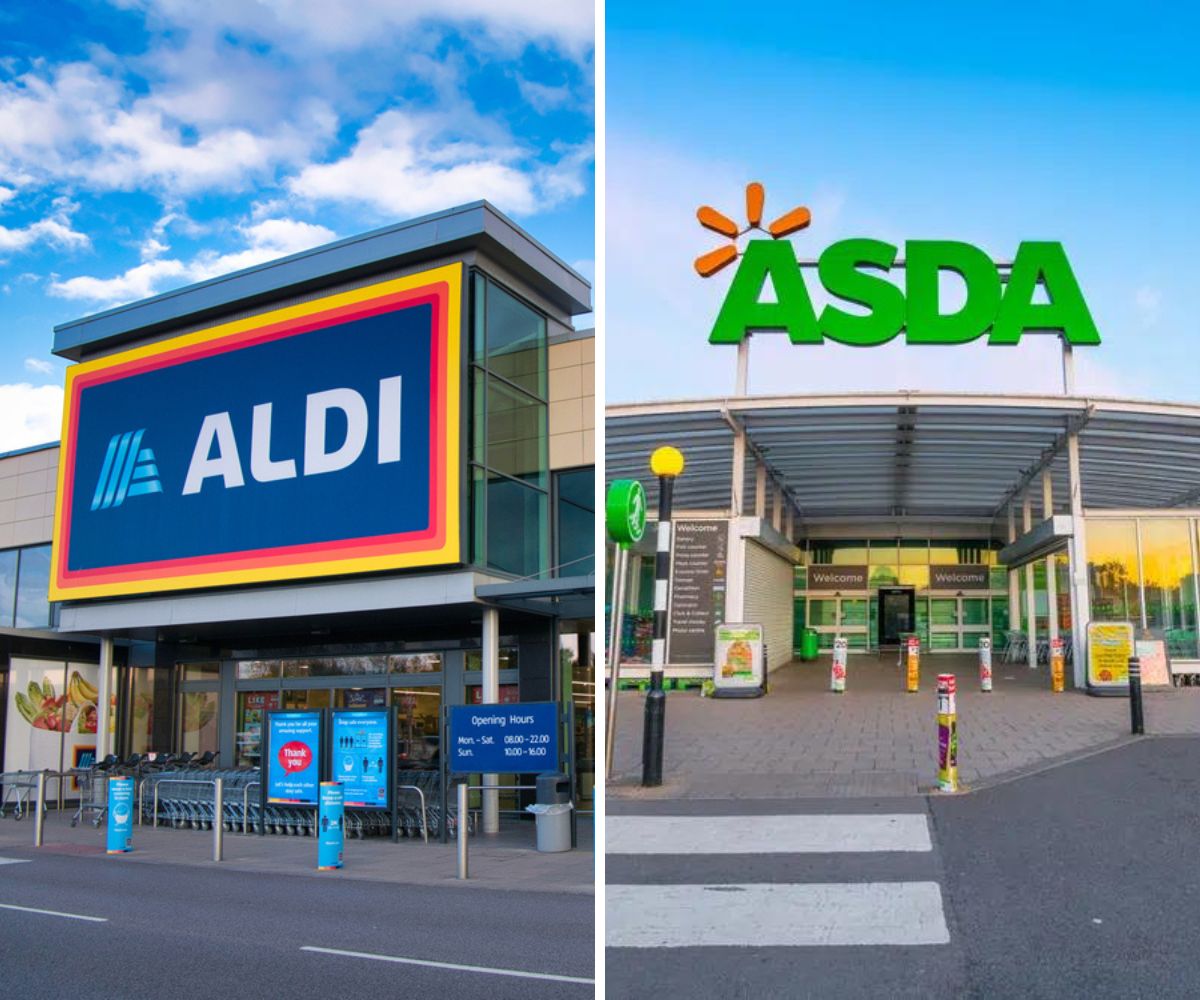

The competitive race between Aldi and Asda is intensifying in the UK supermarket sector. As Aldi’s rapid growth challenges Asda’s market position, intriguing developments unfold.
Aldi has reported pre-tax profits soaring to £536.7 million for the year ending December 2023, a substantial increase from £152.6 million the previous year. The chain attributes this growth to a 16% rise in sales, reaching £17.9 billion, alongside enhanced efficiencies. Conversely, Asda, although recovering from a £432 million loss in 2022, reported a profit of £180 million with £21.9 billion in sales, driven significantly by its e-commerce operations.
Aldi plans to invest £800 million to accelerate its store expansion, aiming to reach 1,500 stores across the UK. It currently operates over 1,020 stores, expanding at a rate of one new store a week. Asda, however, is halting new convenience store openings to focus resources on enhancing its existing network, despite possessing 1,200 stores. This strategic shift may impact its market standing.
Aldi maintains its position as the cheapest supermarket in the UK, as recognised by Which? in August 2024. Its strategic investment of £100 million in price cuts over three months supports this stance. Asda, comparatively, ranks third in affordability, continuing to implement price reductions and a loyalty programme that enhances customer engagement. Both grocers are intensifying their pricing competitiveness.
Asda is reinforcing its customer experience by investing £30 million to optimise staff hours, improve stock availability, and enhance store environments. The £50 million store upgrade initiative will introduce additional services, enriching the customer shopping journey. In contrast, Aldi opts to forgo loyalty schemes, instead prioritising consistent value provisioning, a strategy that still drives its broad appeal.
Aldi is committing £1.4 billion over two years to further bolster its expansion efforts, creating jobs and strengthening supplier relationships. In contrast, Asda’s capital constraints following its acquisition are shaping its strategic priorities. Eliminating debt and refining store operations remain key focuses as Asda seeks to solidify its market position amidst rising competition from discounters.
Aldi’s profitability and investment capacity position it strategically against Asda’s broader sales volume but onerous debt levels. Asda’s strategy hinges on differentiating itself from discounters through added value services and enhanced in-store experiences. Analysts suggest that unless Asda capitalises on these differentiators, Aldi’s pace may see it ascending to the third position in the near future.
The contest between Aldi and Asda underscores the evolving dynamics in the UK retail landscape. With robust strategies and investment, Aldi is on a trajectory to challenge Asda’s standing, marking a pivotal moment for both.
In the evolving UK supermarket landscape, Aldi’s strategic growth and efficiency threaten Asda’s market position. Future developments remain critical to observe.

