
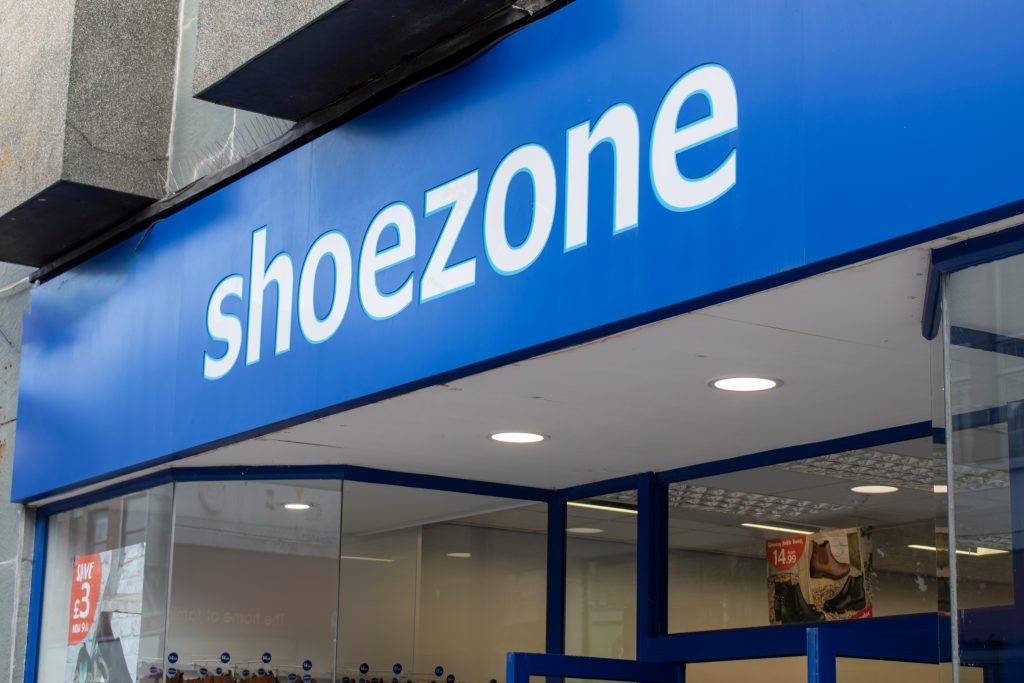

In the first half of the fiscal year 2024, Shoe Zone reported stable profits while recording slight revenue growth, reflecting its strategic adjustments in a challenging economic climate.
The retailer faced significant cost pressures, including rising national wage costs and shipping expenses, yet its digital sales witnessed a remarkable increase, underscoring the evolving market dynamics.
Revenue and Profit Analysis
Shoe Zone’s revenue reached £76.5 million for the 26 weeks ending 30 March 2024, reflecting a 1.5% increase from the corresponding period in 2023. This growth, however, did not translate into increased profitability. Adjusted profit before tax remained flat at £2.5 million, highlighting the pressures of increased operational costs.
Despite the overall stable profit, the revenue growth indicates Shoe Zone’s ability to maintain its market position amidst economic uncertainties. The slight increase in revenue underscores the resilience of the company’s business model, but rising costs present ongoing challenges.
Shifting Sales Channels
Digital sales stood out with an impressive 19.6% increase, totalling £17.1 million, suggesting that Shoe Zone’s investments in online platforms are paying off. The emphasis on enhancing online customer experiences appears to be yielding substantial dividends.
Conversely, store sales declined by 2.8% year on year to £59.4 million, down from £61.1 million in 2023. This decline in physical store performance underscores the shift towards digital channels as a key revenue driver.
This transition reflects broader consumer behaviour trends, where convenience and accessibility of online shopping continue to gain traction over traditional brick-and-mortar experiences.
Operational Adjustments
Shoe Zone has been actively managing its store portfolio, operating 309 stores during the period, down by 27 from the previous year. This reduction included 29 closures, 15 new openings, and 15 store refurbishments.
The company plans continued investment in its physical store estate, with refits and relocations anticipated in the year’s second half. Several new stores are in the pipeline to open before the Christmas season.
Such strategic moves are designed to optimise store performance and align with shifting consumer patterns, while also reflecting efforts to rationalise its physical retail footprint in response to lower store sales.
Cost Management Challenges
The increase in operational costs has impacted Shoe Zone’s financial outlook, with the full-year profit before tax forecast revised from £15.2 million to £13.8 million.
Key cost drivers include the rise in the National Living Wage to £11.44 in April, adding £0.4 million to the year’s second-half expenses, along with £0.5 million from shipping disruptions and container costs.
Additionally, the company has allocated £0.5 million to address dilapidation costs of its closed stores, further reflecting its commitment to managing financial prudence amid economic headwinds.
Capital Expenditure and Digital Growth
Shoe Zone anticipates spending over £10 million on capital projects, including store refit and relocation, head office infrastructure, and digital investments over the next two years.
A noteworthy aspect of its digital success is attributed to a ‘very efficient’ returns process, leveraging its store network, resulting in a reduced return rate of 11.4%, compared to 11.9% in the previous year.
This efficient integration of physical and digital operations highlights Shoe Zone’s strategic advantage in the competitive retail landscape.
Market Resilience and Strategic Outlook
Despite financial pressures, Shoe Zone has demonstrated a robust performance amidst consumer uncertainty and economic volatility, maintaining a resilient business model.
The company’s ongoing strategy focus has enabled it to navigate current challenges, underpinned by its clear emphasis on digital growth and operational efficiency.
Shoe Zone’s performance in the first half of 2024 highlights its resilience and strategic adaptability within a volatile market. While profits remained flat, the company is poised to leverage its digital growth and cost management initiatives for future success.
