
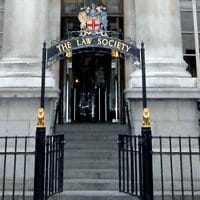

The Law Society seeks approval to pay its council members an annual £2,050 allowance.
- This proposal marks the first direct remuneration for council members if approved at the AGM.
- The total immediate financial impact is estimated at £483,000, due to backdating the allowance.
- A working group recommended the allowance to encourage diverse participation in council roles.
- Controversies exist around the size and function of the Law Society’s council.
The Law Society has put forward a motion to introduce an annual allowance of £2,050 for its council members, which will be discussed at the forthcoming Annual General Meeting (AGM). If approved, this would mark a significant shift as it represents the first instance of direct remuneration for the council members. Previously, members were compensated through a different scheme that provided allowances for expenses, rather than direct payment.
The financial implications of this proposal are considerable. If enacted, the cost would approximately amount to £200,000 annually, covering all council members. However, due to plans to backdate the payments to when the previous allowance ended in March of the previous year, the immediate financial burden is expected to reach £483,000. This financial strategy is put in place to address the period during which no allowances were provided.
Previously, the council members had an annual expense allowance of £1,640 to support their duties, which was ceased following a change in taxation by HM Revenue & Customs. The proposed new allowance is highlighted not as an additional salary, but as a means of recognising the role and responsibilities carried by the council, which are deemed distinct from those in other committees within the society.
The working group, composed of six council members and one independent member under the presidency of Richard Atkinson, recommended the introduction of this allowance. The objective is to ensure that the demands and expectations placed upon council members do not deter potential candidates, particularly those who are employed or in the earlier stages of their careers, for whom the commitment might otherwise be financially prohibitive.
The proposal is also positioned as a step towards ensuring that the council remains representative of the legal profession at large, cutting across various demographics and practice areas. This consideration is underscored by the necessity for the council to stay relevant and representative per its governing Royal Charter and byelaws.
The composition and role of the council have been contentious topics, especially since its regulatory function was largely diminished under the Legal Services Act 2007. The council, comprising representatives from geographic and practice-based constituencies, has previously faced challenges related to its size and efficacy. Concerns have been raised about vacant seats, such as those for Lincolnshire and Warwickshire and Worcestershire, where no nominations were received, leading to a call for local societies to suggest candidates.
The introduction of a financial allowance for council members is a strategic move by the Law Society to enhance participation and representation, pending approval at the AGM.
