

In a recent disciplinary decision, a dual-qualified lawyer has faced increased penalties.
- Convicted of assault, the lawyer received a stricter sanction from a Bar tribunal than from the Solicitors Regulation Authority (SRA).
- The tribunal barred the lawyer from receiving a practising certificate for a year.
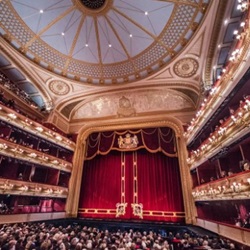
- The incident, involving excessive force at the Royal Opera House, drew significant public attention.
- This decision highlights the profession’s commitment to maintaining public trust and confidence.
A dual-qualified lawyer, who was convicted of assault, has been subjected to a more stringent disciplinary measure by a Bar tribunal compared to the decision rendered by the Solicitors Regulation Authority (SRA). After being found guilty of common assault in 2019, the individual encountered a more severe repercussion from the Bar disciplinary tribunal, which opted to prohibit the Bar Standards Board (BSB) from granting him a practising certificate for a year.
The lawyer, named Matthew Adam Feargrieve, was implicated in a confrontation at the Royal Opera House, leading to his conviction for common assault, the least severe form of assault chargeable. Despite being called to the Bar in 1996 and becoming a solicitor in 2000, Mr. Feargrieve now operates abroad as an investment management consultant, and although still on the roll of solicitors, he does not currently practice.
The event transpired when an individual moved to a vacant seat adjacent to Mr. Feargrieve’s partner, resulting in a dispute over the move. As reported by The Times, Judge John Zani described Mr. Feargrieve’s conduct as using ‘excessive force’, noting the complainant experienced notable pain and discomfort, and there was a conspicuous absence of sincere remorse or insight from Mr. Feargrieve, who has ‘lost his good character.’ In consequence, he faced a financial penalty, compensatory damages to the victim, and legal costs.
Despite initially appealing his conviction, Mr. Feargrieve withdrew due to financial constraints. The tribunal cited his lack of cooperation and absence of mitigating factors in their decision. The tribunal further required Mr. Feargrieve to cover the BSB’s legal costs amounting to £1,560, underscoring the seriousness of the breach.
According to a BSB spokesperson, barristers have an enduring obligation to ensure their conduct does not compromise public confidence in the profession. The tribunal’s determination signifies the gravity of Mr. Feargrieve’s actions and enforces the expectation that members of the profession uphold this essential duty.
The tribunal’s decision underscores a rigorous stance on professional misconduct, reinforcing the necessity to uphold public trust in legal professions.
