
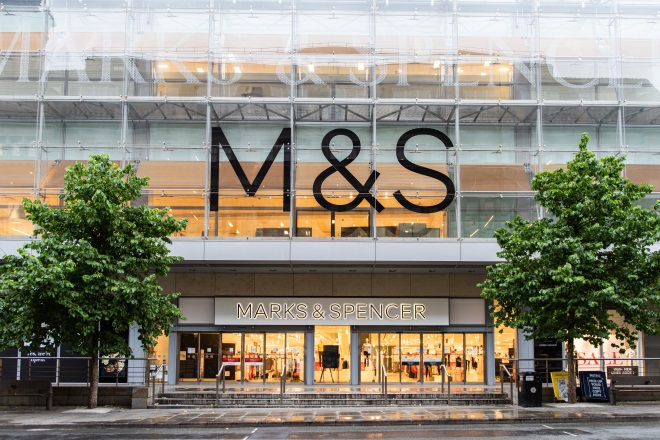

Marks & Spencer, a quintessential British retailer, is embarking on a new venture by trialling a clothing-only store in the iconic Battersea Power Station this autumn. This move excludes their traditional food offerings, marking a significant shift in their retail strategy.
The focus will be solely on clothing and beauty, offering a curated selection of menswear and womenswear. This initiative is a part of Marks & Spencer’s broader £30 million investment into their London-based locations. They aim to modernise shopping experiences, adapting to changing consumer demands and emphasising fashion.
Strategic Shift in Retail Operations
The decision to trial a clothing-only store indicates Marks & Spencer’s intent to evolve with market trends. Traditionally known for its combination of fashion and food offerings, this separation could allow a more focused brand experience. The Battersea location presents an opportune setting to test this new format.
Marks & Spencer is not alone in investing in its in-store experience. Competitors like Primark and New Look are also enhancing their physical retail presence. By concentrating on clothing and beauty, Marks & Spencer may refine its fashion identity, potentially aligning with current industry shifts toward tailored shopping experiences.
Investment in London Locations
This trial comes as part of a broader £30 million investment in the company’s London stores. Recent openings include food halls in Sidcup and Friern Barnet, showcasing their ongoing commitment to both sectors. However, this trial in Battersea specifically omits food, signalling a deliberate focus on fashion.
In line with modern retail trends, these investments aim to create a more engaging shopping environment. Modernisation efforts are underway in locations such as Chancery Lane and Teddington, enhancing both aesthetic appeal and functionality. Other brands are similarly adapting, indicating a wider industry transformation.
Battersea Power Station: A Prime Location
The choice of Battersea Power Station for this trial is noteworthy. Its status as a major shopping destination imbues the project with significant potential. The area attracts a diverse clientele, offering unique opportunities for consumer engagement.
Opening a clothing-only store here is strategic. Battersea’s evolving landscape brings together historic charm and contemporary retail. This setting complements Marks & Spencer’s heritage while showcasing their modern fashion collections. The local demographic’s enthusiasm for innovation could support this bold new direction.
In this setting, Marks & Spencer can explore how a dedicated fashion space influences customer interaction. The retailer’s ability to measure success in this pilot could determine future expansions of this concept.
Ongoing Industry Trends
The retail industry is witnessing notable investment in physical stores. Marks & Spencer’s move aligns with these trends, seeking to enhance customer experience in a competitive landscape. Integration of digital elements within stores is also becoming common, offering a blended shopping experience.
Competition with significant players like Primark, who is celebrating its UK milestone with a £100 million investment, illustrates the growing emphasis on revitalising brick-and-mortar stores. Marks & Spencer’s trial could be seen as a response to this competitive pressure, aiming to reinforce its standing.
Focus on Fashion Identity
By separating clothing and beauty from their food segments, Marks & Spencer can potentially sharpen its fashion focus. This could appeal to customers looking for enhanced retail experiences without the distraction of unrelated products.
The curated menswear and womenswear collections are designed to resonate with contemporary fashion enthusiasts, aiming to attract a specific customer base. This targeted approach could strengthen brand loyalty and differentiation.
Marks & Spencer’s efforts to define its fashion niche is a strategic move. As consumer preferences evolve, aligning product offerings with these changes could positively impact sales and brand perception.
Prospects of Future Expansion
Should the clothing-only concept prove successful, Marks & Spencer may replicate this model in other locations. The trial offers valuable data on consumer preferences and operational challenges, informing potential rollouts.
Data-driven approaches and customer feedback will likely guide future developments. The learnings from Battersea could shape broader strategies, contributing to a reinvigorated retail portfolio for the brand.
Conclusion
Marks & Spencer’s trial of a clothing-only store could be a turning point in the retailer’s history. While venturing into unchartered territory, this bold move might redefine their brand and sharpen focus on fashion, setting a precedent in the industry.
Marks & Spencer’s initiative at Battersea Power Station is more than an experiment; it signifies a potentially transformative retail approach. As they redefine their brand identity within the fashion sector, the outcome of this trial could influence their future strategy significantly.
