
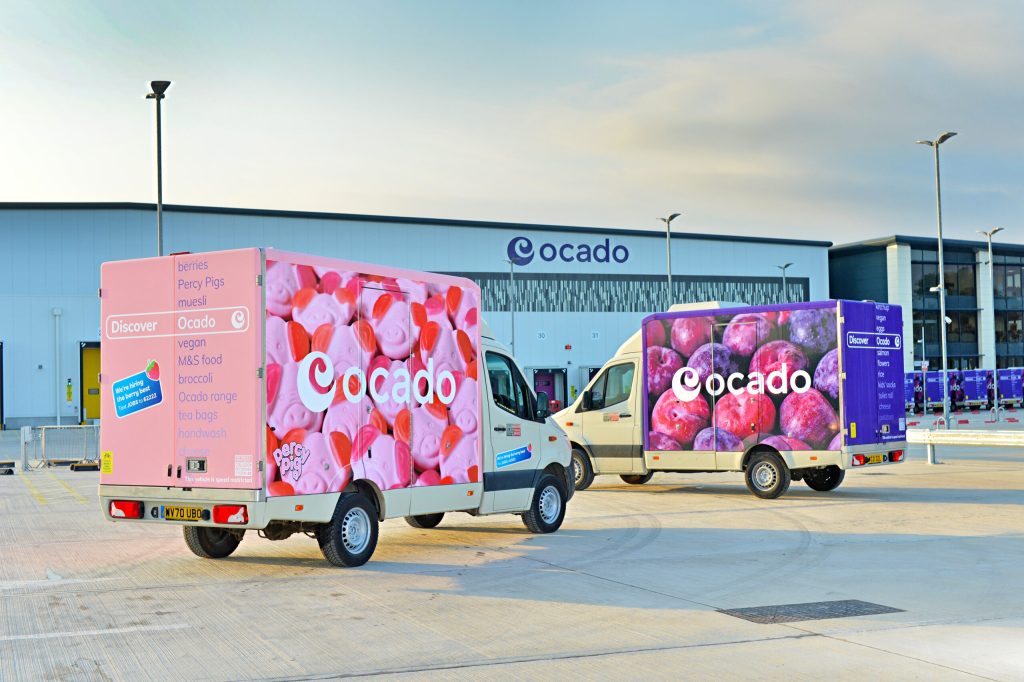

Ocado has once again responded to the demand for cost-effective grocery shopping with its third price cut initiative since June. This latest move underscores the company’s focus on delivering value.
Ocado’s Continued Price Reductions
Ocado, the online-only retailer, has reinforced its strategic focus on affordability by announcing a significant price reduction across a range of products. This marks the third price adjustment since June, reflecting the company’s commitment to value. The latest initiative encompasses 330 additional items under its ‘Big Price Drop’ campaign, amassing reductions on over 630 products in total.
Key Products Included
The scope of price cuts extends across various categories, highlighting popular consumer items. Noteworthy inclusions in this wave are Warburtons plain bagels and M&S Oakham Gold chicken breast fillets. Ocado’s own-brand produce also benefits, with reductions on staple items such as Ripen At Home Conference pears, contributing to substantial savings for customers.
Additionally, non-food items are not exempt, with significant markdowns evident. For instance, Vanish Oxi Actions fabric stain remover sees its price slashed by 38%, reducing from £6.50 to £4, demonstrating Ocado’s intent to provide wide-ranging value enhancements.
Strategic Impact and Consumer Reach
Ocado’s price cutting measures aim to strengthen its market position amid intense competition from other major retailers. By reducing prices on essential and desirable goods, Ocado seeks to draw consumer attention and enhance loyalty, thereby improving its share in the highly competitive online grocery sector.
The prior success of Ocado’s pricing strategy is evident, having sold nearly 70 tonnes of Warburtons plain bagels and over four million of its own-brand pears in the previous year. This performance underscores the potential of strategic pricing to boost sales volumes and expand Ocado’s customer base.
Executive Insights
According to Hannah Gibson, CEO of Ocado Retail, the company is steadfast in its mission to deliver great value to its customers. “We’re proud to have reduced more than 600 products, but we’re not stopping there,” she stated, emphasising Ocado’s ongoing drive for value.
Further expansion of the Big Price Drop initiative is anticipated, aiming to incorporate additional items. This effort is in line with Ocado’s broader strategy to provide not just competitive prices but also a reassurance of value and service excellence.
Historical Context
The Big Price Drop was initially launched as a response to growing consumer demand for value amidst rising cost-of-living pressures. In June, Ocado initiated price cuts on 100 items, followed by slashing prices on 200 ‘back to school’ products.
The current phase of reductions continues to build on these earlier efforts, indicating Ocado’s adaptive approach in navigating economic challenges while maintaining customer satisfaction.
These strategies have enabled Ocado to not only sustain its market presence but also to steadily grow it even as economic conditions fluctuate, showcasing the resilience and adaptability of its business model.
Market Reactions and Future Implications
Industry observers note that Ocado’s pricing moves may induce competitive responses from other retailers. The potential ripple effect could see an industry-wide emphasis on affordability, reshaping pricing strategies across the sector.
Furthermore, Ocado’s commitment to expanding its price reduction efforts might set a new benchmark for competition, ultimately benefiting consumers through potentially wider industry shifts towards value.
As Ocado forges ahead with its pricing policies, the long-term implications could redefine how online grocery retailers attract and retain consumers, influencing future market dynamics.
Conclusion
The strategic price cuts implemented by Ocado highlight the company’s dedication to delivering value amidst a competitive grocery market landscape. As Ocado continues to expand its price reduction efforts, these initiatives may well set a new industry standard, ultimately benefiting consumers through improved value offerings.
In conclusion, Ocado’s persistent price reductions reflect a calculated strategy to bolster its market presence and consumer appeal. The ongoing adjustments are poised to influence industry standards and consumer expectations.
Such efforts, reflecting a commitment to adaptability and customer satisfaction, may redefine how value is perceived in the competitive realm of online grocery shopping.
