
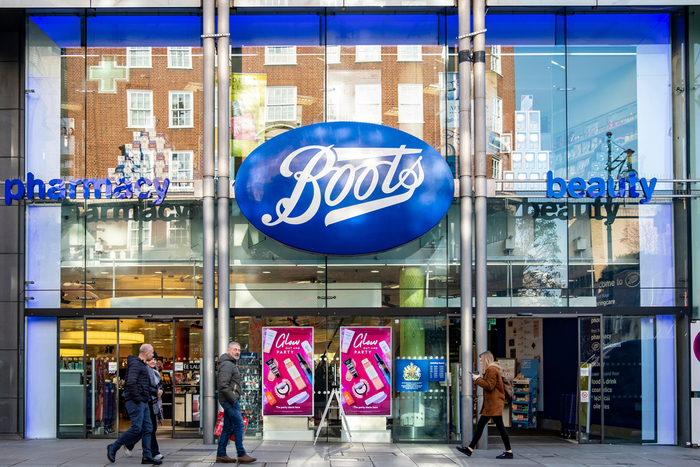

Boots has experienced a significant rise in profits, highlighting the growing importance of its beauty segment.
The company’s robust performance has been fuelled by increased consumer interest and strategic business adjustments.
Surge in Profits Driven by Beauty Sales
Boots has reported a remarkable surge in pre-tax profits, posting an increase of over 42% to £237.6 million for the year ending 31 August. This increase is largely attributed to robust beauty sales, with the segment performing exceptionally well compared to previous periods. Brands such as Soap & Glory, Liz Earle, and Fenty Beauty have been significant contributors to this success, drawing a growing number of customers into their stores.
The past year witnessed sales growth from £7.7 billion to £8.3 billion, marking a substantial rise in retail revenue. The boom in beauty sales has not only driven profits upward but has also underlined the strategic importance of this segment. These results coincided with increased consumer footfall, showcasing a strong recovery in the retail environment following challenging market conditions.
Strategic Business Movements
Simultaneously, Boots has engaged in strategic restructuring, investing substantially in its business operations. According to recent filings at Companies House, the chain has paid £107 million in dividends across subsidiaries and incurred at least £38 million in restructuring costs.
These restructuring efforts are aimed at streamlining operations and managing the retail footprint effectively. Boots is strategically reducing its number of stores from approximately 2,200 to 1,900 outlets. This move seeks to optimise retail space and improve overall efficiency in response to changing consumer behaviours.
Ownership and Market Position
Walgreens Boots Alliance, the parent company, has actively pursued options to fortify Boots’ market position.
The corporation is collaborating with consultants to engage with potential buyers and is considering a listing of Boots on the London Stock Exchange. These strategic explorations are pivotal as the firm evaluates comprehensive ways to maximise shareholder value and secure a profitable future. They reflect a proactive approach to leveraging Boots’ established market presence amidst evolving economic landscapes.
The market has shown considerable interest in Boots, underscoring its strong brand recognition and customer loyalty.
Retail and Consumer Trends
Consumer trends are shifting towards more specialised and personalised beauty products, which have fueled Boots’ success in the beauty sector.
The company has been adept at capitalising on these trends, with a strong focus on product innovation and customer engagement. By aligning its product offerings with consumer demands, Boots has effectively managed to maintain relevance and competitive advantage in a rapidly changing market.
This trend of personalisation and focus on consumer preferences is likely to persist, further shaping the retail landscape in the foreseeable future.
Financial Health and Future Prospects
Boots’ financial health appears robust, with substantial profits fuelling potential future growth and expansion plans.
The strategic reduction in store count is poised to enhance operational efficiencies while supporting long-term profitability. As the business continues to navigate economic challenges and adapt to consumer trends, maintaining financial strength will be paramount to sustaining growth.
The outlook remains optimistic, given Boots’ strategic initiatives and market positioning. Continued emphasis on core product lines and customer engagement strategies will be essential as the company moves forward.
Conclusion
The success of Boots in the past year underscores the critical role of strategic foresight and operational agility in retail.
As the company looks to the future, maintaining its focus on consumer demands and market trends will be key to sustaining its competitive edge.
Boots has demonstrated resilience and adaptability, securing its position in the competitive retail landscape.
Future success hinges on continuous innovation and alignment with evolving consumer preferences.
