

Sainsbury’s has embarked on a transformative journey to reduce plastic waste across its food packaging.
By implementing new materials, the retailer anticipates saving nearly 700 tonnes of plastic annually, marking a major milestone in sustainability initiatives.
Innovative Packaging Initiatives
Sainsbury’s has introduced significant changes in its packaging for own-brand chicken and fish products to combat plastic waste. By transitioning to pulp cardboard trays from traditional plastic, the supermarket aims to save approximately 694 tonnes of plastic annually. These changes underline the retailer’s commitment to sustainability and environmental responsibility.
All own-brand salmon fillets will now feature trays made from sugarcane pulp, lined with polyethylene film. This switch leads to a remarkable 70% reduction in plastic usage, contributing to a saving of 346 tonnes annually. Sainsbury’s is the first UK retailer to adopt these materials across its salmon line.
Breaded Chicken and Fish Packaging Reductions
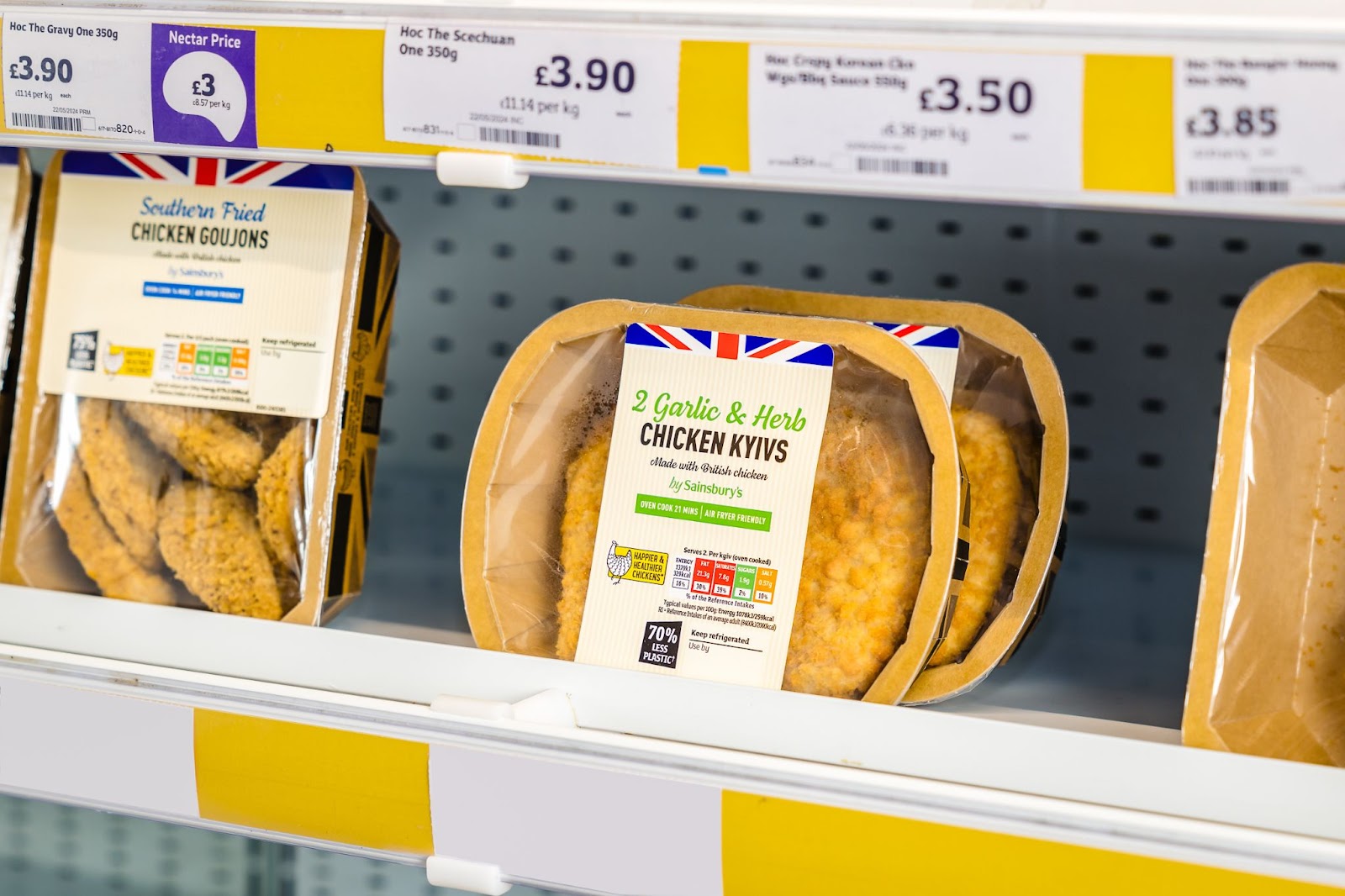
Sainsbury’s has extended its innovative packaging approach to its ‘Taste the Difference’ and ‘By Sainsbury’s’ breaded chicken lines. This shift to cardboard trays is expected to result in a saving of 300 tonnes of plastic each year, significantly reducing the environmental footprint.
Similarly, changes to the packaging of ‘Taste the Difference’ breaded fish fillets will prevent around 48 tonnes of plastic waste. These alterations are not only environmentally beneficial but also enhance recyclability for consumers, aligning with broader sustainability goals.
Seasonal Product Initiatives
During the summer, many beloved seasonal chicken products like goujons, nuggets, and schnitzels will feature the new cardboard packaging.
This initiative is part of a wider rollout that includes finger foods and BBQ ranges, aiming to make sustainable choices accessible and convenient for consumers.
The move reflects Sainsbury’s proactive steps towards reducing plastic waste.
Recyclability and Consumer Engagement
Sainsbury’s new packaging solutions are crafted with recyclability in mind, allowing customers to contribute to waste reduction effectively. The easily recyclable nature of the pulp cardboard and cardboard trays empowers consumers to minimise their household waste.
Claire Hughes, Director of Product and Innovation at Sainsbury’s, emphasized the importance of these changes, noting, “With salmon being one of our most popular fish, we made it a priority to reduce the plastic on the packaging of this much-loved product as we work towards our Plan for Better goals.”
Broader Sustainability Strategy
In addition to packaging adjustments, Sainsbury’s is actively showcasing its sustainability efforts through new in-store marketing campaigns. Bright orange point-of-sale signs branded with ‘Good to Know’ slogans are visible throughout stores, reinforcing the message of their eco-friendly initiatives.
These campaigns, including a forthcoming radio initiative, aim to reach consumers on multiple platforms, clearly communicating the retailer’s commitment to sustainability.
Commitment to Plastic Waste Reduction
Sainsbury’s strategic shift in packaging materials highlights their dedication to dramatically reduce plastic waste. The changes are set to save 694 tonnes of plastic annually, a significant achievement in the retail sector.
This initiative marks a critical step in Sainsbury’s journey towards meeting its long-term sustainability goals and reducing its environmental impact.
Conclusion and Future Directions
Sainsbury’s packaging revamp is a forward-thinking approach, setting new standards in sustainability. These efforts not only enhance the retailer’s environmental credentials but also demonstrate a strong commitment to innovative waste reduction solutions.
In conclusion, Sainsbury’s packaging overhaul represents a commendable stride towards a more sustainable future.
The initiative underscores the importance of innovative solutions in tackling environmental challenges.
