

Lidl has announced a pioneering step towards sustainability by launching its own-brand compostable tea bags. This initiative marks a significant contribution to eco-friendly practices for consumers.
The new tea bags will be integrated across Lidl’s entire tea range, offering customers an easy and efficient means to support environmental efforts. Over 800 million tea bags annually are expected to be diverted from landfills, showcasing Lidl’s commitment to reducing single-use plastics.
Sustainable Tea Bags Initiative
Lidl’s introduction of fully compostable tea bags is poised to transform sustainability practices within the retail sector. These tea bags are manufactured from plant-based plastic, polylactic acid (PLA), which ensures both compostability and the retention of flavour and quality. This change echoes a broader industry shift towards eco-friendly products, enabling consumers to make sustainable choices effortlessly.
Comprehensive Rollout
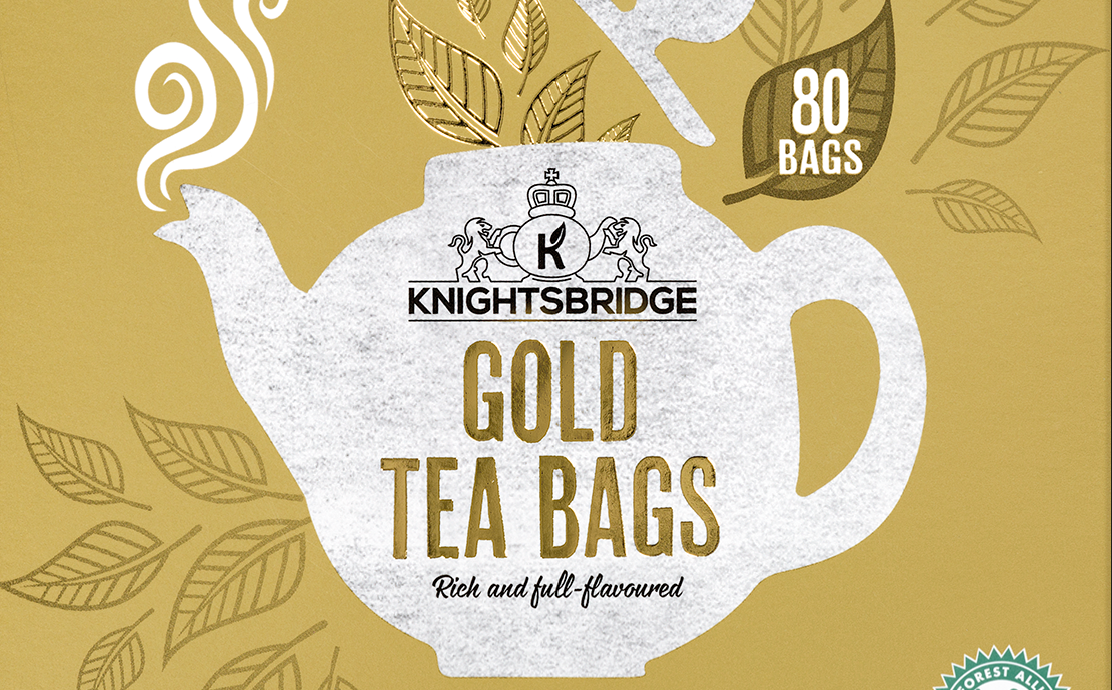
The implementation of compostable tea bags will span across a diverse selection of Lidl’s tea products, including its Deluxe Fairtrade Assam Tea, Knightsbridge Gold Blend, and Knightsbridge Red Label Tea. The complete rollout is expected over several months, enhancing consumer access to sustainable goods.
Lidl’s endeavour is a part of their wider mission to cut down own-label plastic packaging by 40% by 2025. By spearheading such initiatives, Lidl positions itself among leaders in sustainable retail solutions.
Industry-Wide Movement
Lidl’s move aligns with similar shifts in the retail sector, as major supermarkets like Waitrose, Tesco, Asda, and Sainsbury’s have adopted compostable tea bag solutions.
This communal drive within the grocery industry underscores a pivotal transition towards more sustainable product offerings, fostering an environment where ecological considerations stand at the forefront of retail innovation. Further implementation of similar practices is anticipated as environmental consciousness grows.
Commitment to Environmental Impact
Shyam Unarket, Lidl GB’s head of responsible sourcing and ethical trade, emphasised the significance of this change, highlighting that even modest product adjustments can significantly benefit both customers and the environment.
This stride towards sustainability not only aids in reducing landfill waste but also reinforces Lidl’s influence on sustainable consumer habits. The supermarket’s proactive measures reflect its dedication to bettering environmental impact one cup of tea at a time.
Consumer Benefits
Transitioning to compostable tea bags offers tangible benefits for Lidl customers, allowing them to contribute to environmental sustainability with minimal effort. Shoppers can discard the used bags in food waste bins, making sustainable disposal convenient and straightforward.
The shift to compostable packaging is anticipated to enhance customer satisfaction by aligning with the growing demand for environmentally conscious products. Customers can enjoy quality tea while simultaneously participating in global ecological improvement efforts.
Market Impact
The introduction of compostable tea bags serves to bolster Lidl’s competitive edge within the retail market by highlighting its dedication to eco-friendly solutions. This move enhances Lidl’s brand reputation as a leader in sustainability.
With increasing consumer awareness regarding environmental issues, Lidl’s strategic initiative is likely to attract eco-conscious customers, positioning the company favourably amid a dynamic retail environment focused on sustainability.
Lidl’s sustainable strategy could potentially drive industry standards, encouraging other retailers to adopt similar environmentally-responsible practices.
Future Prospects
The success of this programme may pave the way for further developments in sustainable packaging across Lidl’s product lines. It provides an opportunity for the company to innovate and establish new benchmarks in eco-friendly retail offerings.
Lidl’s transition to compostable tea bags marks a substantial step forward in retail sustainability. As consumer demand for eco-friendly products surges, Lidl’s initiative not only supports environmental objectives but also solidifies its status as an innovative leader in retail sustainability. Such forward-thinking measures are likely to inspire continued industry evolution toward environmentally responsible solutions.
