
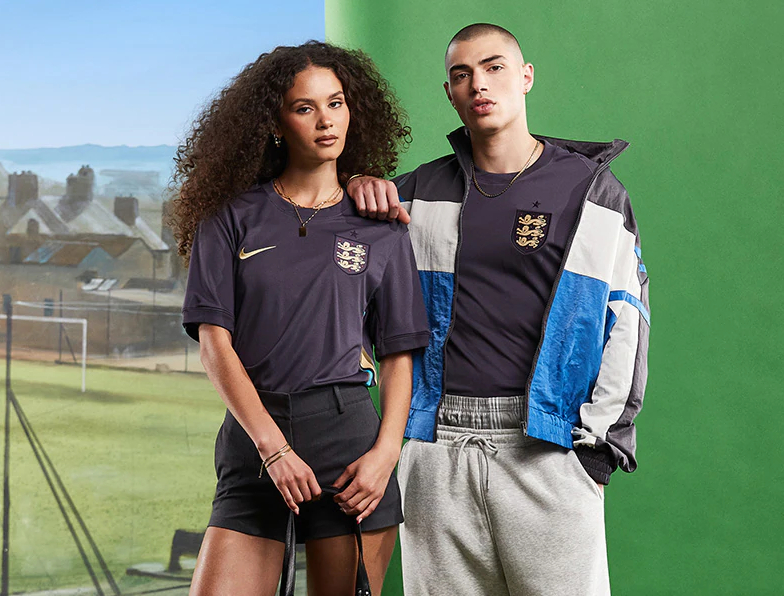

As the summer sports season unfolds, Asos is poised to make a significant impact. Focused on reinvigorating its market position, the retailer sees sportswear as a catalyst for growth.
The strategy involves leveraging high-profile sporting events, unique branding, and strategic collaborations to capture consumer interest and drive sales.
Revamping Sportswear for Growth
Asos is navigating through a transformative phase to regain profitability, with a significant focus on its sportswear category. The expansive range, including over 800 brands, positions Asos uniquely in a competitive market. Tim Williams, head of sportswear, highlights that Asos’ approach integrates fashion into sports, differentiating it from traditional retailers. This strategic alignment coincides with upcoming major sports events, creating an opportune moment to enhance brand visibility and drive sales growth.
The sportswear category has seen rapid growth and is viewed as a pivotal component of Asos’ resurgence strategy. Key events like the Euros and the Paris Olympics present unique opportunities for promotion and brand alignment. Williams emphasizes the blend of style and sport that Asos offers, a distinction that may prove advantageous in capturing the fashion-conscious, active consumer base.
Strategic Branding and Collaborations
As Asos capitalises on the summer’s sports fervour, strategic collaborations become central to its growth strategy. Elton Ollerhead of Asos Media Group underscores the importance of amplifying partner brands through Asos’ platforms. This year, Asos has been actively engaging with its partners to align marketing efforts with sporting events, promising substantial mutual benefits.
The synergy between Asos and brands like Nike and Adidas propels its market presence. Particularly, the collaboration with On Running, backed by celebrity endorsements, exemplifies Asos’ method of leveraging popular culture to enhance product appeal. This tactic is expected to resonate with consumers, reinforcing Asos’ position in the sportswear market.
Expanding Consumer Appeal
Williams notes a trend towards multifunctional sportswear, reflecting a broader consumer shift towards versatile fashion choices. Post-Covid, consumers are more active, driving demand for apparel that suits various activities, from sports to casual outings. Asos addresses this demand by offering stylish yet functional sportswear.
In today’s market, flexibility is key. Consumers prefer products that transition seamlessly from one activity to another, a requirement Asos meets by offering a diverse range that blurs the lines between casual and sports attire. This approach aims to attract the dynamic 20-something demographic.
The emphasis on style, alongside performance, aligns with the evolving expectations of the modern consumer. Asos’ strategy involves promoting the fashion aspect of sportswear, appealing to those who seek not just utility but also contemporary style. This dual focus is intended to solidify its market position among fashion-forward individuals.
Global Market Engagement
Exploration of international markets remains a priority for Asos. Williams has been proactive in forging global partnerships, notably with industry leaders like Nike and Adidas in the US. These alliances are instrumental in Asos’ plan to extend its sportswear footprint beyond Europe.
With international growth as a key objective, Asos’ strategy includes understanding and adapting to diverse market needs. The US market, which currently leans towards functionality over fashion, presents a unique opportunity. By introducing its fashion-oriented sportswear, Asos hopes to capture a new consumer segment looking for stylish sports options.
Influence of Major Sporting Events
The global sporting calendar profoundly impacts Asos’ marketing and sales strategies. The resurgence of trainers and football shirts as fashion statements underscores the potential for Asos to tap into trends motivated by events like the Euros.
The Paris Olympics, although less focused on specific retail opportunities, offers cultural leverage that Asos aims to utilise. The emphasis is on associating with the style capital, enhancing brand perception through strategic marketing during this period.
Williams mentions that while some Olympic-related apparel may not be directly marketable, the cultural significance of the event allows Asos to engage with consumers in more innovative ways. This engagement supports Asos’ broader brand narrative, intertwining sports with style.
Adapting to Consumer Trends
Understanding the evolving consumer landscape is central to Asos’ strategy. The trend towards sport-inspired fashion continues, bolstered by recent enthusiasm. Asos positions itself to meet this growing demand, underpinned by a comprehensive product range and strategic marketing.
Asos’ ability to adapt to changing consumer preferences is a testament to its leadership in the e-commerce space. The company’s approach melds functionality with fashion appeal, ensuring its offerings remain relevant amidst shifting market dynamics.
Asos’ commitment to sportswear underscores its broader strategy to reignite growth. By aligning with global events and consumer trends, the retailer is prepared to make notable strides in the market.
With a fashion-forward approach, Asos aims to not only capture sales but also enhance its brand influence across international markets.
