

The complexities of modern retailing make it increasingly difficult to engage, develop, retain, and motivate front-line staff. Diverging expectations across generations and the need for better communication between shop staff and leaders pose additional challenges.
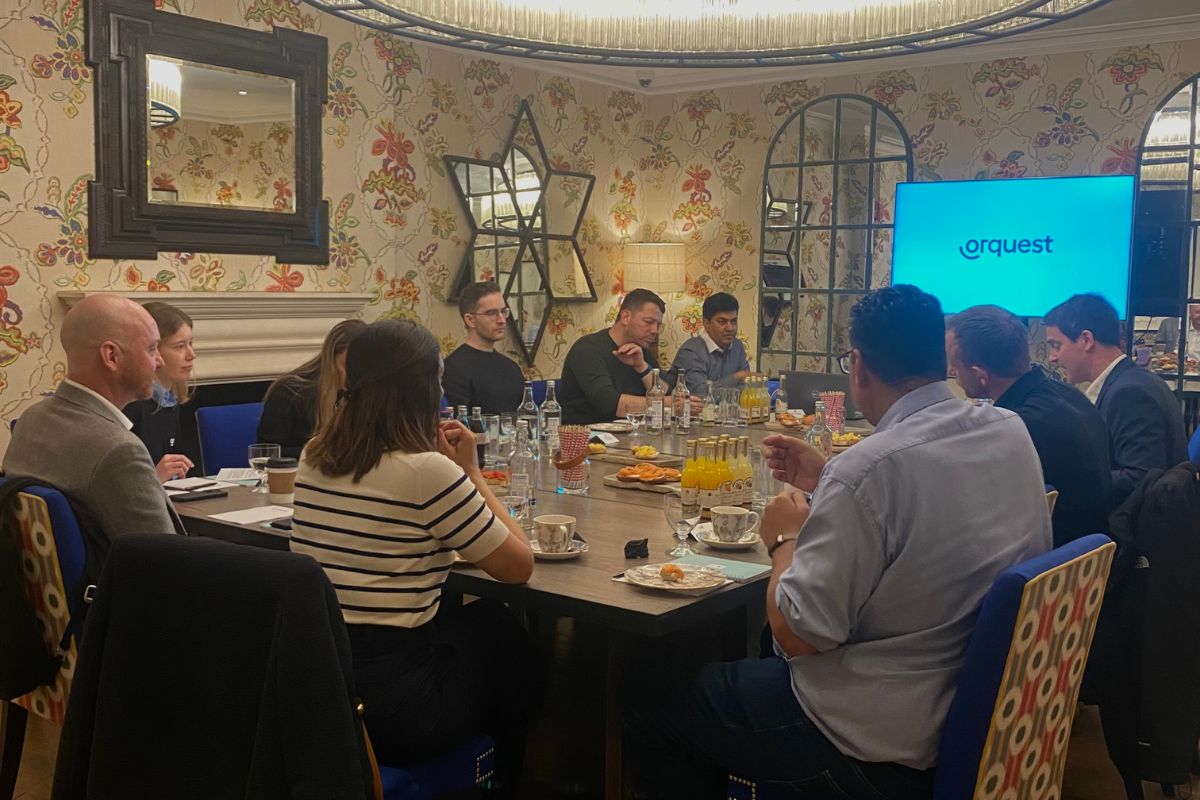
These themes were central to a recent roundtable event hosted by a leading AI-enabled workforce management company. Industry experts discussed strategies to empower the retail workforce in today’s dynamic environment, highlighting key issues and potential solutions.
Store Staff Motivation
A recent study by the Retail Trust found that 70% of retail staff experienced a decline in mental health over the past year, with one in four considering leaving the industry. Glassdoor’s rankings also reflect this trend, with traditional retailers struggling to appear in the top 50 UK businesses to work for, overshadowed by technology companies.
Participants at the roundtable highlighted several factors contributing to staff demotivation. The challenges of modern retail, including organisational cost-cutting and the need to keep pace with ever-changing consumer demand, are significant. Staff often view retail jobs as short-term commitments rather than long-term career opportunities.
Retail’s Multigenerational Workforce
Differences between older and younger staff are becoming more pronounced, creating friction within teams. One guest noted that younger workers have high expectations from their employers, which are difficult to fulfil while maintaining operational efficiency.
Another contributor added that the nature of retail work can be mundane and repetitive. Retailers often hire individuals who are not ‘workforce ready’, complicating the delivery of good customer service.
Developing a Culture for New In-store Tech
Technology can significantly improve store culture by enhancing productivity and making employees’ lives easier. Omnichannel retailing has put more tech in the hands of store staff, but there is still progress to be made to achieve a motivated workforce.
Numerous tech-enabled tools are available to tackle these challenges, but ensuring their successful adoption requires effective change management.
According to one participant, AI can automate many tasks, freeing up staff for less mundane activities. However, seamless integration of new technology demands appropriate training and strong leadership communication.
Enhancing Company-Wide Communication
Effective communication between management and front-line workers is crucial for successful tech adoption. Retailers often fail to communicate company strategy effectively, opting for a need-to-know basis rather than explaining ‘the why’ and the benefits.
Pilar di Prisco of Orquest emphasised the importance of being employee-centric, stating that retailers must ensure their staff are motivated, well-informed, and empowered.
The Role of AI in Workforce Management
Orquest bridges the gap between efficiency and employee satisfaction by creating data-driven store schedules that adapt to customer flow. This optimises staffing, reduces costs, boosts morale, and ensures compliance.
With a global reach, including over 250,000 employees across 77 countries, Orquest is trusted by leading brands like McDonald’s, Dior, and H&M for workforce management.
Recognition and Awards
Orquest’s innovative approach has earned it the Retail Technology Show 2024 Innovation Award, voted by a panel of independent retail technology industry analysts and influencers.
In conclusion, addressing the challenges faced by retail staff requires a multifaceted approach. Embracing technology, improving communication, and understanding generational differences are crucial.
By adopting such strategies, retailers can create a more motivated and efficient workforce, ultimately improving both employee satisfaction and customer experience.
