
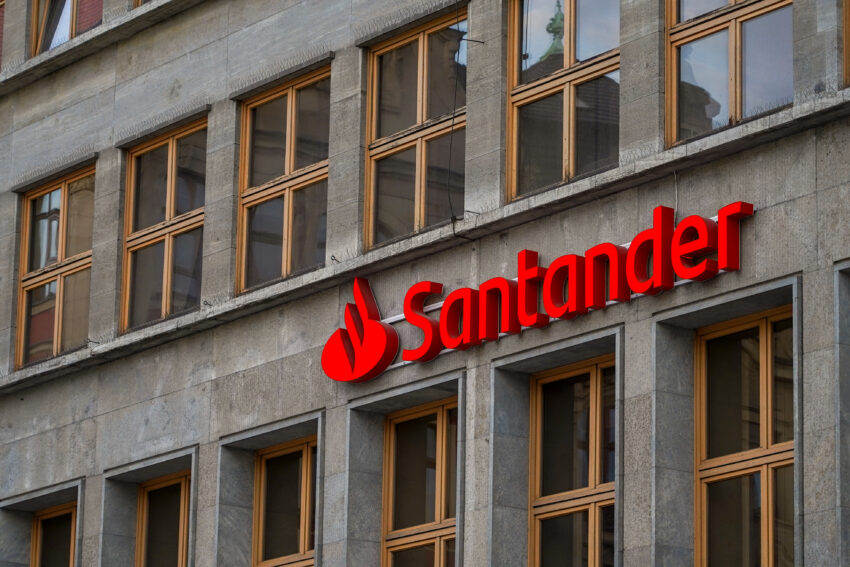

In a significant policy update, Santander is adjusting its hybrid working rules. The change impacts its UK office-based employees.
From the end of the year, employees are required to work the equivalent of three days a week in the office. This realignment reflects a broader trend among organisations to boost on-site presence.
New Policy Implementation
Santander has announced a shift from the current arrangement of allowing employees to work two days a week at its facilities to a new requirement of 12 days a month. This effectively translates to three days a week. The policy is designed to boost in-office attendance, which is viewed as critical for fostering collaboration and mentorship among employees.
The new directive will take effect at the end of the year. It reflects a wider move among employers to rebalance hybrid working arrangements in favour of more in-office time. Santander believes that office presence is essential for supporting and developing employees, particularly those who are early in their careers.
Impact on Employees
The change affects around 10,000 office-based employees in the UK, including 4,500 staff at Santander’s new Milton Keynes hub and 1,000 employees in London. Notably, the policy does not apply to branch staff. The bank aims to offer flexibility by not imposing a rigid three-day requirement but instead mandating a monthly quota of in-office days.
Santander’s chief executive in the UK, Mike Regnier, exemplifies the new flexibility. He works from his home in Harrogate, Yorkshire, at least one day a week, even though his primary workplace is listed as the £150 million Unity Place complex in Milton Keynes.
Broader Industry Trends
The adjustment in Santander’s policy is part of a broader trend among employers seeking to counteract the remote working habits ingrained during the Covid-19 pandemic. Many companies are shifting towards increased on-site attendance as they believe it fosters better collaboration and team dynamics.
For instance, PwC recently announced that its 26,000 UK employees must now work at least three days a week in the office or at client sites, compared to the previous two to three days. Banks like Lloyds, however, are adopting a more lenient approach, allowing staff to work from home up to three days a week, with the option for five days during summer. This variance highlights different organisational strategies in addressing hybrid working.
Rationale Behind the Policy Change
Santander has emphasised the importance of in-office presence for employee development. The bank stresses that being physically present in the office is crucial for fostering collaboration and mentorship, which are vital for career growth, especially for newer employees.
Additionally, Santander aims to counteract the entrenched remote working habits that formed during the pandemic. By increasing in-office attendance, the bank hopes to rebuild its workplace culture and enhance team cohesion.
Employee Reactions
The directive has elicited a range of reactions from employees. Some appreciate the flexibility of a monthly rather than weekly requirement, while others are concerned about the increased demand for in-office days.
Employees have noted that the policy allows for a degree of adaptability, which is crucial for personal and professional balance. However, the increased expectations for physical presence have raised questions about the long-term sustainability of such arrangements.
Comparison with Other Banks
Unlike Santander, Lloyds has opted for a more relaxed hybrid working policy. Lloyds allows its office staff to work from home up to three days a week. During summer months, this can extend to five days a week.
This contrast illustrates the varying approaches banks are taking concerning hybrid working policies. While some, like Santander, are pushing for more in-office time to enhance collaboration, others are prioritising flexibility.
Looking Ahead
Santander’s new hybrid working rules are set to take effect at the end of the year. The bank is preparing to manage this transition carefully to ensure a smooth implementation.
Santander’s adjustment to its hybrid working policy signifies a strategic shift towards increased office attendance. This move reflects a broader industry trend aimed at enhancing collaboration and mentorship.
By requiring 12 days of in-office work per month, Santander aims to strike a balance between flexibility and the benefits of on-site presence. As organisations continue to navigate post-pandemic work environments, such policy changes underscore the evolving dynamics of workplace culture.
