

Amazon.com (NASDAQ: AMZN) has paused operations with cargo carrier 21 Air following a fatal crash of one of the carrier’s Prime Air-branded planes in Miami, the company said. The move was first reported by The Wall Street Journal.
Five people died and five were injured when the aircraft overran the runway at Miami International Airport, according to ABC News, which cited the National Transportation Safety Board’s investigation into the crash.
Amazon confirms the pause with 21 Air
Amazon told reporters it had decided to suspend operations with 21 Air while the investigation into the crash continues, according to NPR. The carrier had flown packages for Amazon since 2024.
Amazon spokesperson Kelly Nantel issued a statement expressing sympathy to the victims’ families, CBS News Miami reported. The five victims killed were on the ground, not aboard the plane, and were identified by the Miami-Dade Sheriff’s office, according to NBC 6 South Florida.
The aircraft, operating as 21 Air Flight 7598, overran runway 30 on landing on 6 September 2026, according to ABC News. It was a 32-year-old former passenger Boeing 767-300ER converted to a Bedek Special Freighter cargo configuration in 2015, according to the Flightradar24 Blog. NTSB chair Jennifer Homendy said a fuel leak slowed initial recovery efforts at the crash site, NPR reported separately.
Carrier’s safety record under scrutiny
21 Air had prior safety complaints raised by former employees, according to legal documents cited by CBS News. Those complaints predate the Miami crash and are separate from the NTSB’s active investigation into the runway overrun itself.
Reuters independently reported Amazon’s pause, citing the Journal’s initial account. The consistency of casualty figures, the carrier’s identity and the NTSB’s involvement across multiple outlets underpins the reporting on Amazon’s decision.
Scale of the disruption against Amazon’s logistics network
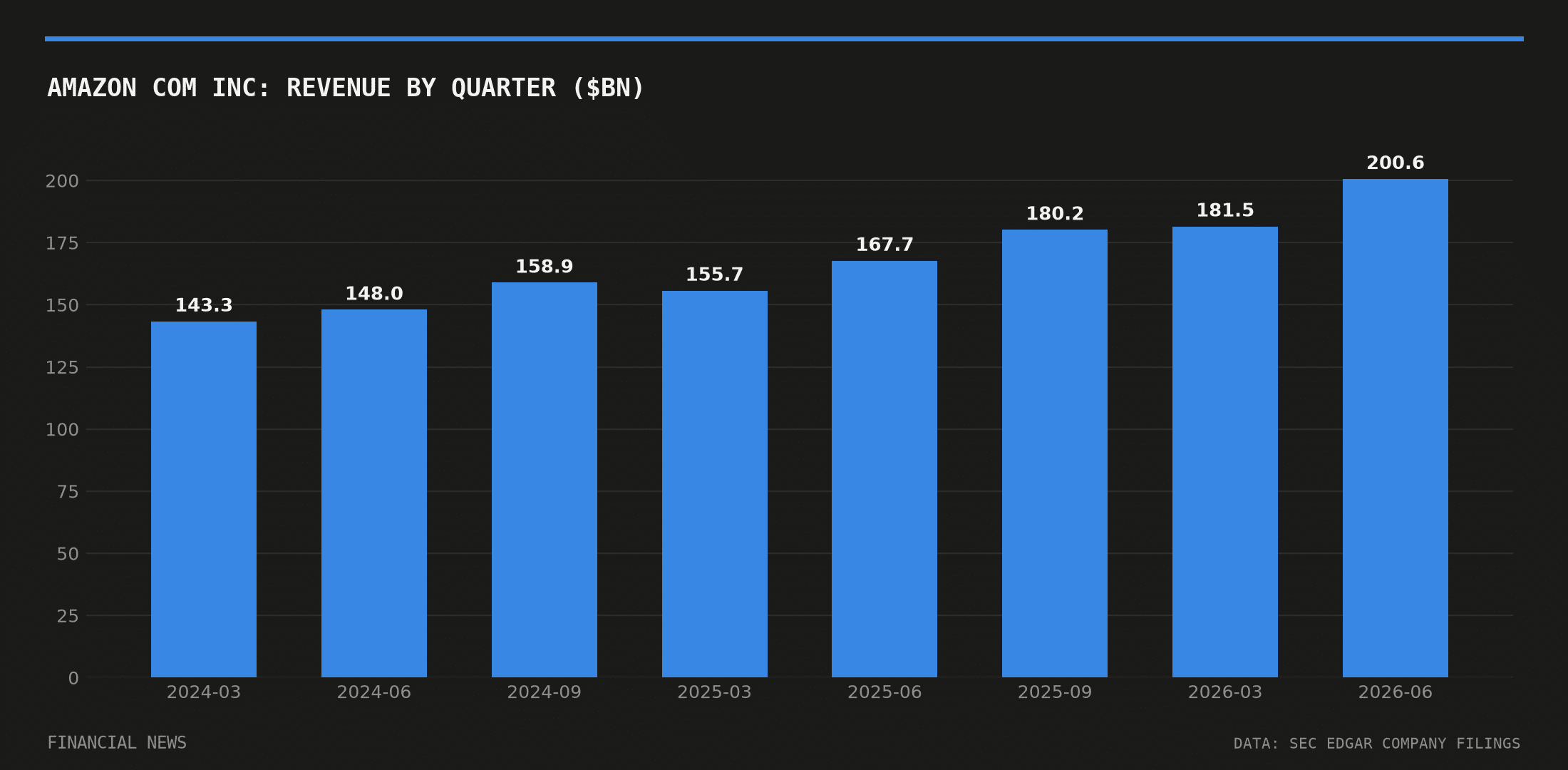
The single-carrier pause is a small operational disruption set against a vast logistics network. Amazon’s second-quarter 2026 net income reached $62.6bn on revenue of $200.6bn for the three months to 30 June, according to the company’s 10-Q filing with the SEC.
That marked a sharp jump from the $30.3bn net income Amazon reported for the first quarter of 2026, itself filed on 30 April 2026, when revenue stood at $181.5bn. Diluted earnings per share climbed from $2.78 in the first quarter to $5.75 in the second, the filings show.
The trajectory extends back through 2025, when Amazon’s net income rose from $17.1bn in the first quarter to $18.2bn in the second and $21.2bn in the third, according to its quarterly filings. Revenue over the same three quarters climbed from $155.7bn to $167.7bn to $180.2bn. Amazon’s logistics and delivery operations, including its Prime Air cargo fleet, sit inside a business generating that scale of quarterly turnover, underscoring why a pause with a single third-party carrier is unlikely to move the group’s reported numbers on its own.
Trading in Amazon shares showed no unusual positioning ahead of the crash-related headlines. The stock’s FINRA short-sale ratio ranged roughly between 0.15 and 0.41 across the ten trading sessions before the news broke, according to FINRA daily short sale volume data, showing no build-up of bearish positioning in the run-up to the disclosure.
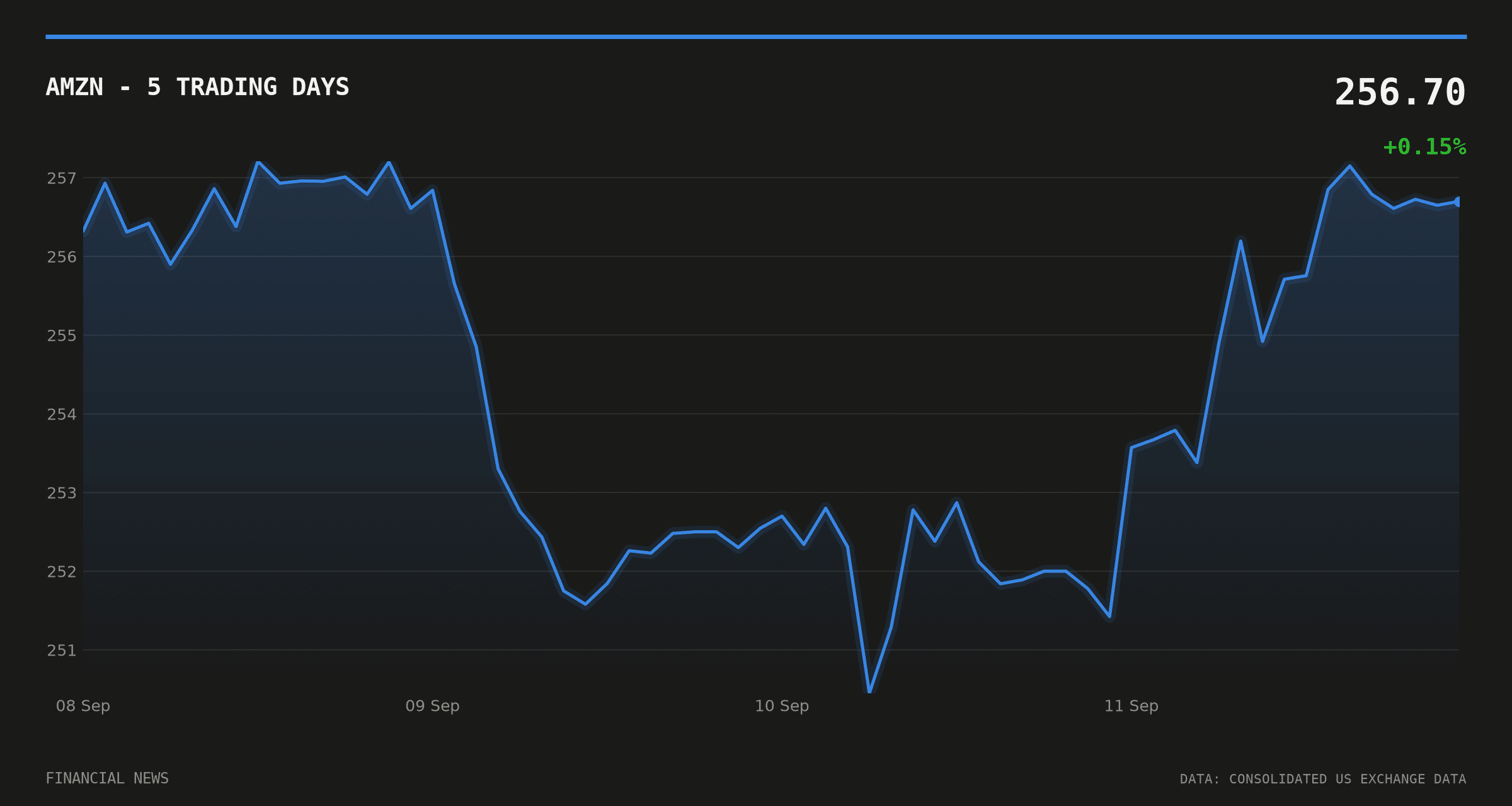
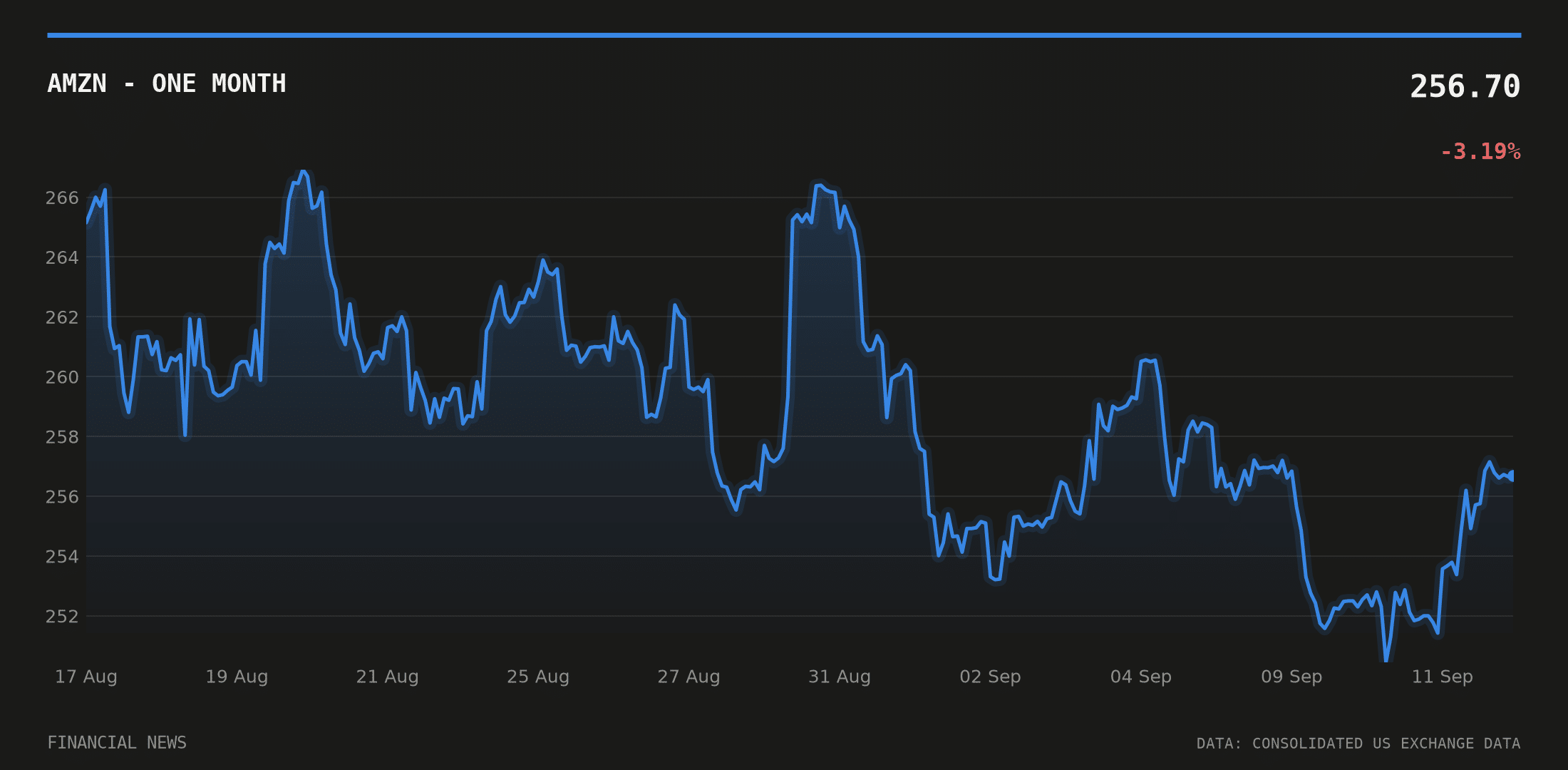
Amazon shares closed at $256.70 as of 11 September 2026, down 0.67% over the preceding 20 trading days, with trading volume roughly in line with the 20-day average, according to consolidated US exchange data.
What happens next
The NTSB investigation into the runway overrun remains open, and its findings could shape whether Amazon resumes work with 21 Air or seeks a permanent replacement for the carrier’s routes. Broader financing conditions for logistics-heavy operators have also shifted: the 10-year Treasury yield rose to 4.95% as of 10 September 2026, up from 4.83% previously, according to Federal Reserve data, a backdrop relevant to capital-intensive delivery networks even where it bears no direct link to the Miami crash itself.
This article is for information only and is not investment advice or a recommendation to buy or sell any asset. Markets move quickly; figures are correct as sourced at the time of writing. Always do your own research before making financial decisions.
