

AI chip startup d-Matrix will use Nvidia (NVDA)’s NVLink Fusion technology to connect its inference chips inside AI servers, the two companies said on 10 September 2026.
The deal covers d-Matrix’s next-generation Raptor inference chips, which will plug into Nvidia’s MGX rack-scale architecture, with initial availability targeted for the fourth quarter of 2027, according to d-Matrix’s official announcement.
What Nvidia NVLink Fusion actually does
NVLink Fusion is Nvidia’s interconnect standard for letting third-party chips plug into its rack and networking hardware without rivals having to build entire competing systems. Nvidia confirmed the tie-up in its own post, stating that ‘d-Matrix today announced it will use NVIDIA NVLink Fusion to connect its next-generation Raptor XPUs to NVIDIA’s AI infrastructure platform,’ according to the Nvidia blog.
d-Matrix is also working with Astera Labs on the interconnect hardware needed to wire its chips into the Nvidia stack, part of a broader NVLink Fusion ecosystem that already counts AWS, Arm, Intel, Fujitsu and MediaTek among its partners, according to Techtroduce. The arrangement lets d-Matrix pitch its Raptor chips to AI labs, hyperscalers and neocloud operators for what the company calls “premium-level” token-generation services, per its release.
A rival becomes a customer
d-Matrix’s Raptor chips are designed to compete directly with Nvidia’s own GPUs on inference workloads, the segment of AI computing that runs trained models rather than trains them. Yet the startup still needs Nvidia’s rack and interconnect plumbing to get its silicon into data centres at scale — a dynamic that leaves Nvidia positioned to benefit from AI inference demand whichever chipmaker ultimately wins the workload, a point made by AI Magazine in its analysis of the NVLink Fusion strategy.
d-Matrix is not a shell operation chasing a headline. The startup raised $110m from investors including Microsoft, at a point when many chip startups struggled to raise cash, according to Reuters reporting via Investing.com. That backing gives the NVLink Fusion tie-up more weight as a signal of where serious AI infrastructure money is heading, rather than a marketing exercise between an established giant and an unknown name.
Nvidia’s scale behind the deal
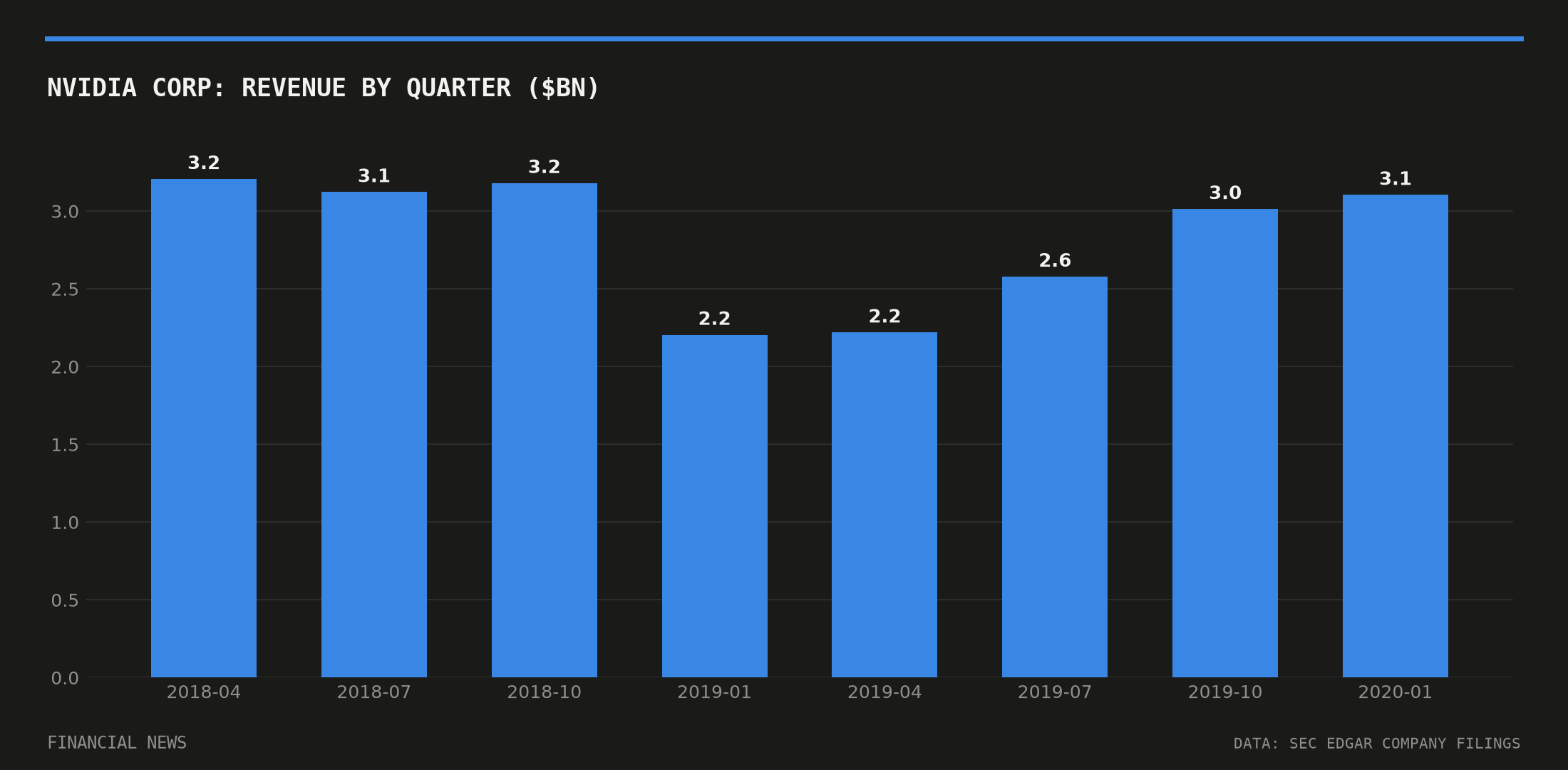
The partnership news does not move Nvidia’s underlying numbers, but it lands against a backdrop of rapid earnings growth. Nvidia reported net income of $59.688bn for its fiscal second quarter ended 26 July 2026, more than double the $26.422bn it posted a year earlier, according to its 10-Q filing with the SEC. Diluted earnings per share for the quarter came to $2.46, up from $1.08 a year earlier.
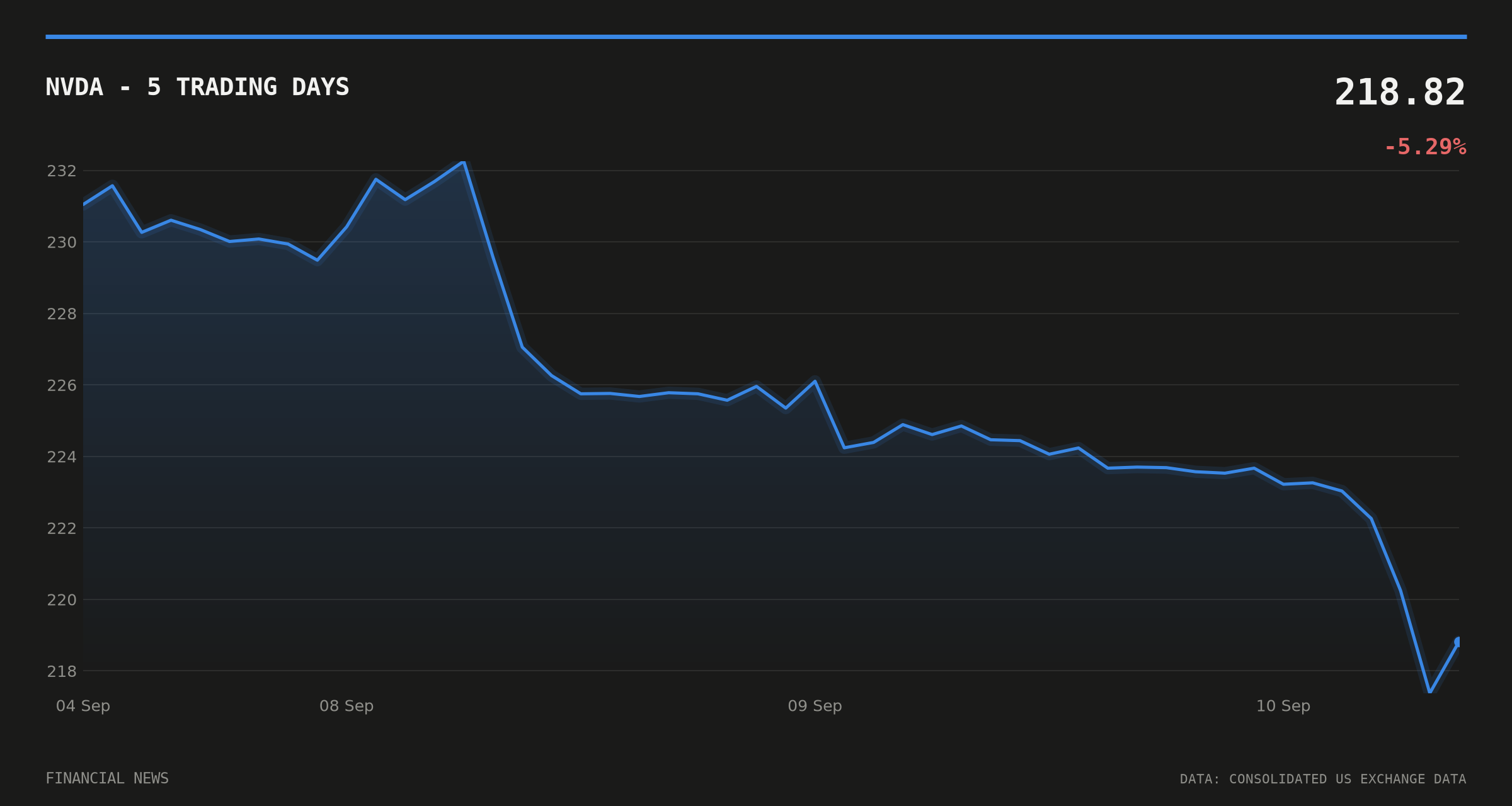
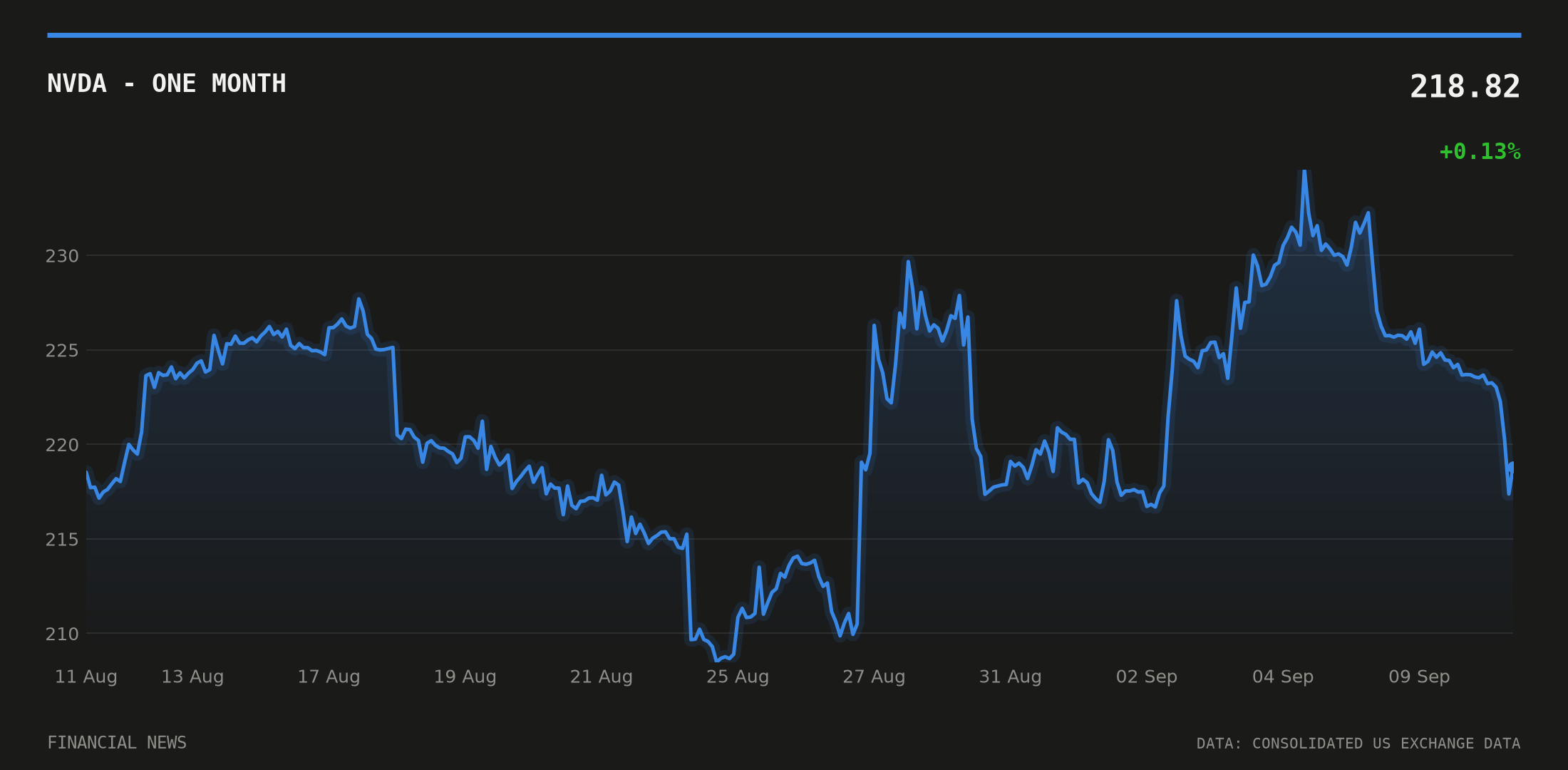
Nvidia shares closed at $218.6201 as of 10 September, down 2.26% over the prior 24 hours, though nothing in the public record ties that move specifically to the d-Matrix announcement. The stock remains up 1.08% over the past 20 trading days, having traded as high as $234.55 and as low as $208.48 in that window, according to consolidated exchange data. Trading volume on the day sat well below the 20-day average, at roughly 41% of the recent norm.
The broader market backdrop stayed largely stable through the announcement. The 10-year US Treasury yield stood at 4.8% on 8 September, barely moved from 4.78% the previous reading, according to Federal Reserve data, while the unemployment rate held at 4.1% in August.
What comes next
Initial availability of the d-Matrix Raptor chips on Nvidia’s NVLink Fusion architecture is pencilled in for the fourth quarter of 2027, per d-Matrix’s release, leaving well over a year before customers can test the integration in production. Nvidia has been steadily adding NVLink Fusion partners across the custom-silicon and connectivity landscape, and further additions to that roster would be the next marker for how far the platform strategy extends beyond GPU sales.
This article is for information only and is not investment advice or a recommendation to buy or sell any asset. Markets move quickly; figures are correct as sourced at the time of writing. Always do your own research before making financial decisions.
