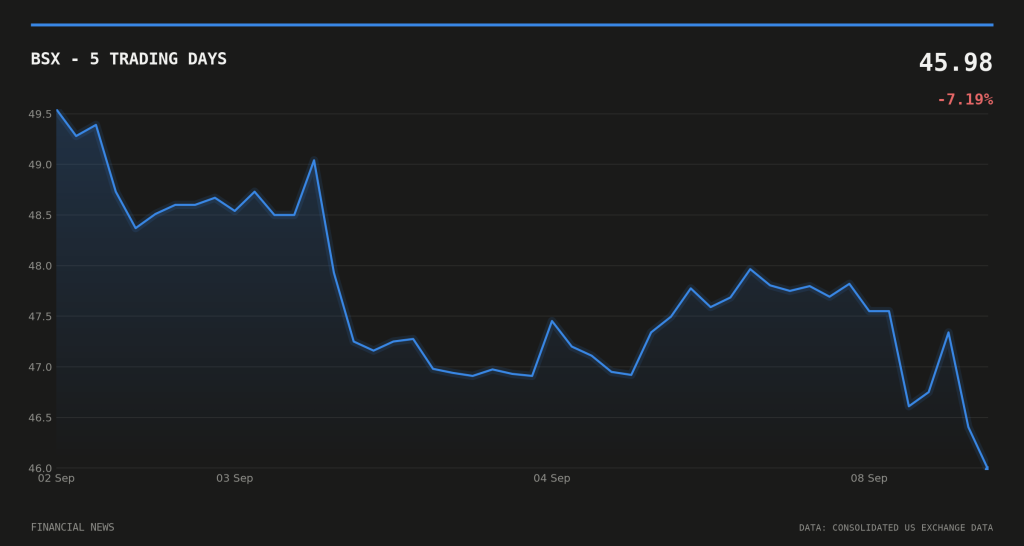
Boston Scientific (BSX) told investors on 8 September 2026 that a cyberattack has left it unlikely to hit its 2026 sales and profit guidance, triggering a fresh slide in the stock.
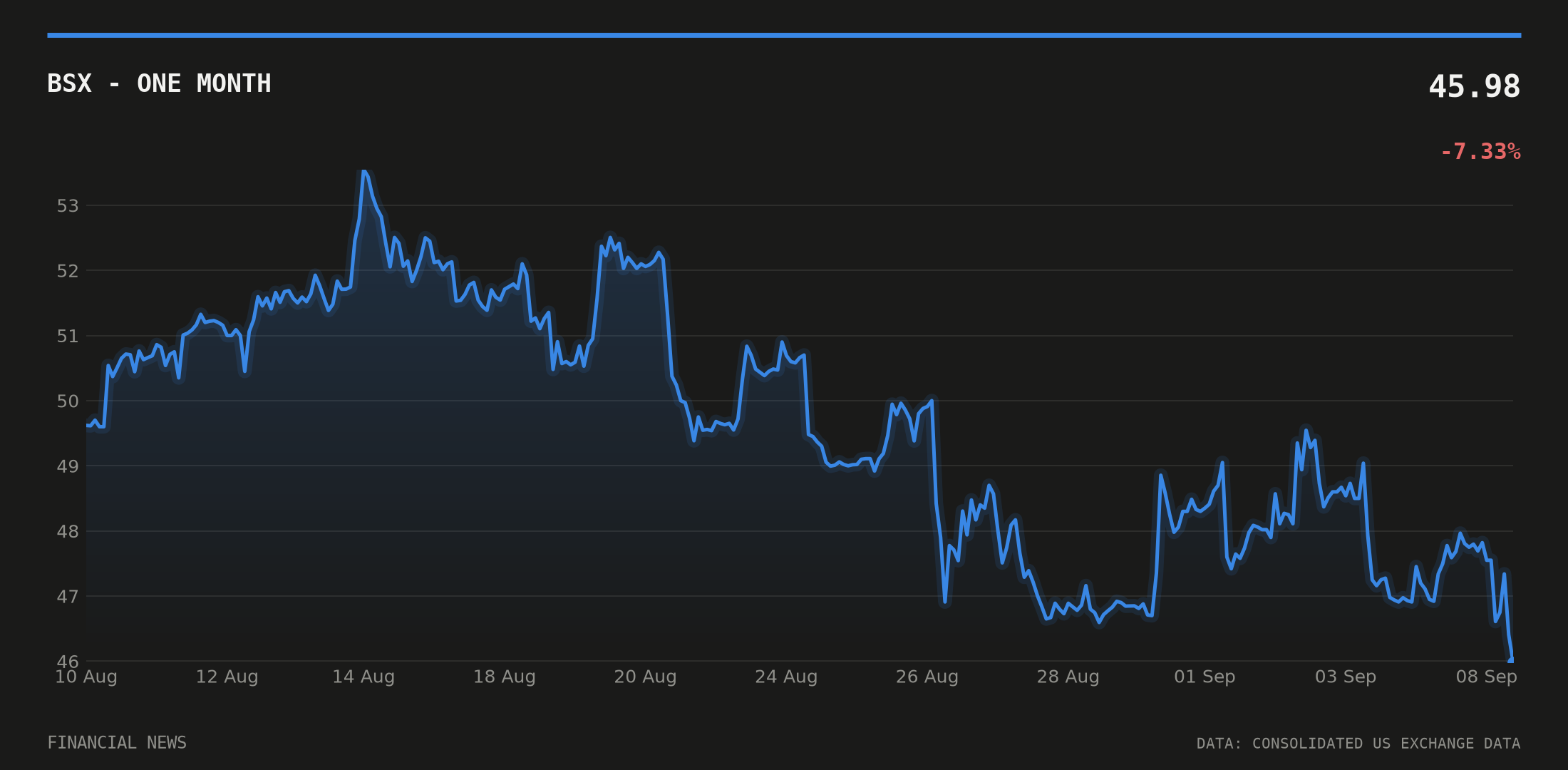
Shares were down 3.31% by 1400 GMT and have fallen 9.82% over the past 20 trading days, according to Barron’s. Reuters reported the stock dropped as much as 4.5% in premarket trading on the news, as first reported by Reuters.
A guidance warning two weeks in the making
The device maker first disclosed the incident in an 8-K filed on 26 August 2026, saying it had identified a cybersecurity incident a day earlier that affected certain IT systems and caused a global disruption to operations, according to the company’s SEC filing. At that point the company could not say whether the damage would be material.
By 8 September it could. Boston Scientific said it now expects the incident to have a material impact on third-quarter and full-year results, and that it is unlikely to meet the net sales growth and adjusted earnings-per-share ranges it gave on 29 July, per the filing cited by Benzinga. The company said it does not expect the incident ‘will have a material impact on its long-term financial condition.’
What the withdrawn guidance covered
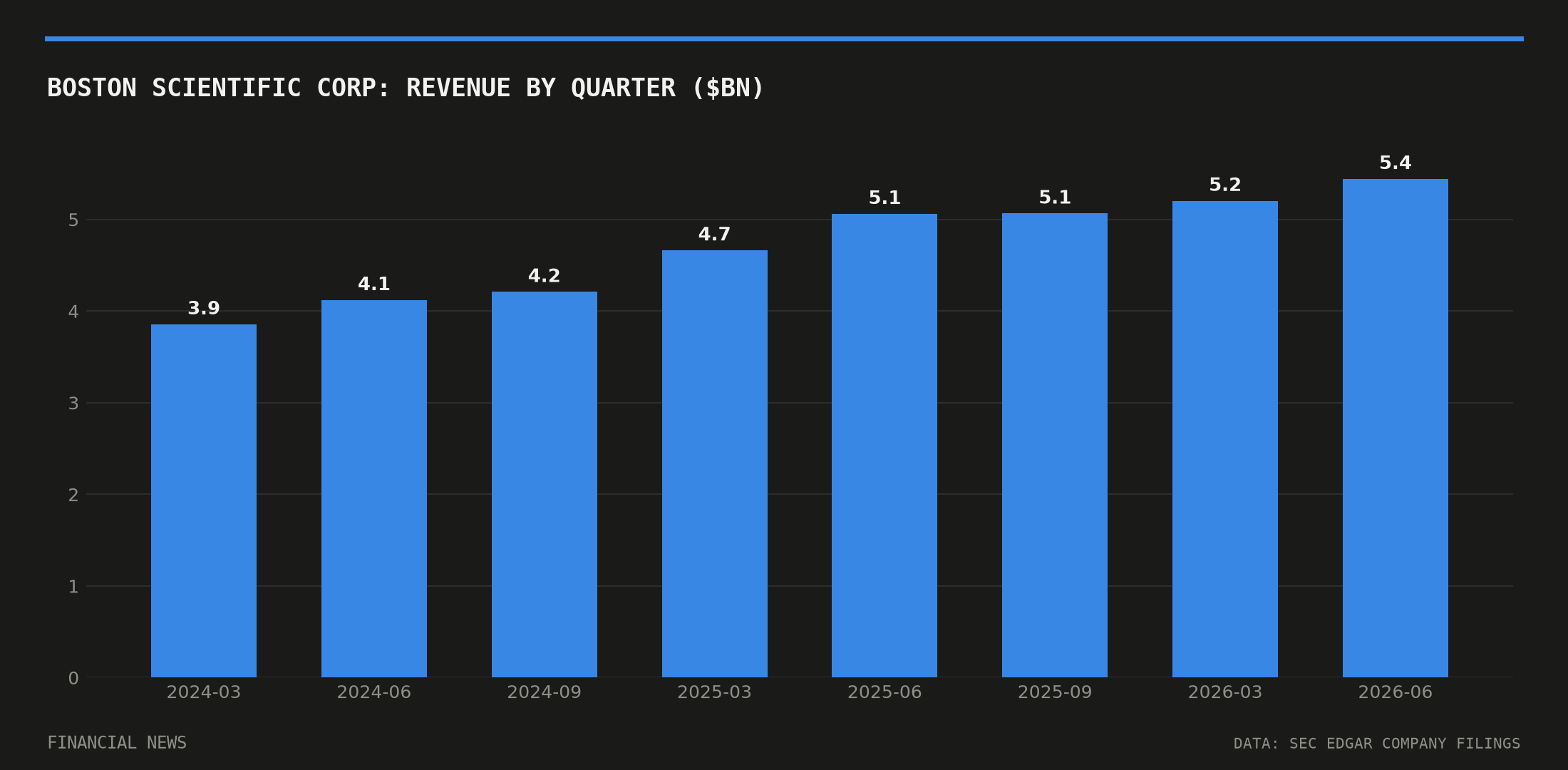
The scrapped targets, issued alongside second-quarter results on 29 July, had called for full-year 2026 net sales growth of roughly 5.5% to 6.5% on a reported basis, or 5% to 6% organic, according to the company’s SEC filings. Second-quarter net sales came in at $5.442bn, up 7.5% reported and 7.0% organic year-on-year, filings show, meaning the company had been tracking ahead of that range before the attack hit.
Bloomberg reported the incident has impaired Boston Scientific’s ability to ship products, a disruption the company says it is still working through by fulfilling backlogged orders and ramping operations globally. Reuters, via BNN Bloomberg, reported the same shift from a company that a fortnight earlier had declined to call the damage material.
Response and market reaction
Boston Scientific activated its incident-response protocols and brought in CrowdStrike and other third parties to investigate, according to reporting by Yahoo Finance. The shares closed at $47.80 the Friday before the 8 September disclosure, near a 52-week low of $42.20 and far below the 52-week high of $108.07, per AskTraders.
FINRA short-sale data show daily short-volume ratios for the stock ranging roughly between 0.36 and 0.54 across the fortnight spanning the initial disclosure and the guidance warning, showing no sharp spike in short-selling activity tied to either filing. The broader macro backdrop was steady through the period: the 10-year Treasury yield sat at 4.77% and unemployment held at 4.1%, according to Federal Reserve data, suggesting the move in Boston Scientific stock reflects the company’s own disclosure rather than a shift in market conditions.
What happens next
Boston Scientific has not yet put a dollar figure on the hit. The company says it will give an updated operational and financial outlook for the rest of 2026 on its third-quarter earnings call, scheduled for 28 October 2026. Until then, investors are left pricing the disruption on the strength of the company’s qualitative language alone, with no revised sales or EPS range on the table.
The company said it expects to recover some of the lost revenue as it clears backlogs and restores full operations, though it cautioned that the extent of the impact remains unknown.
This article is for information only and is not investment advice or a recommendation to buy or sell any asset. Markets move quickly; figures are correct as sourced at the time of writing. Always do your own research before making financial decisions.