
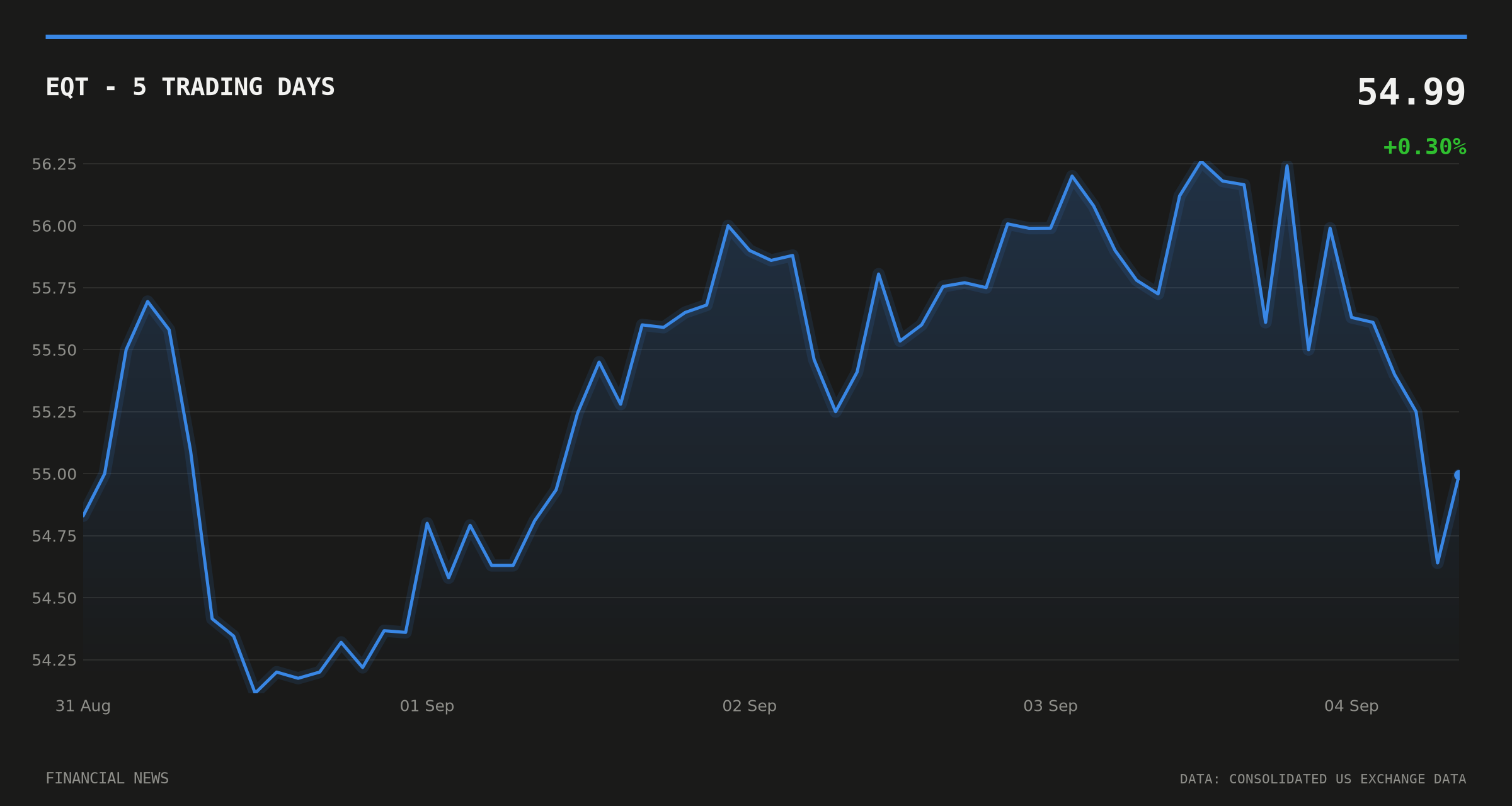

EQT has agreed to buy a majority stake in McGill and Partners, the specialty (re)insurance broker, from Warburg Pincus, the firms said on 4 September 2026.
The deal values McGill and Partners at $2.0bn, funded through EQT’s fund vehicle EQT X, according to the announcement and confirmed by the Wall Street Journal.
McGill and Partners deal terms
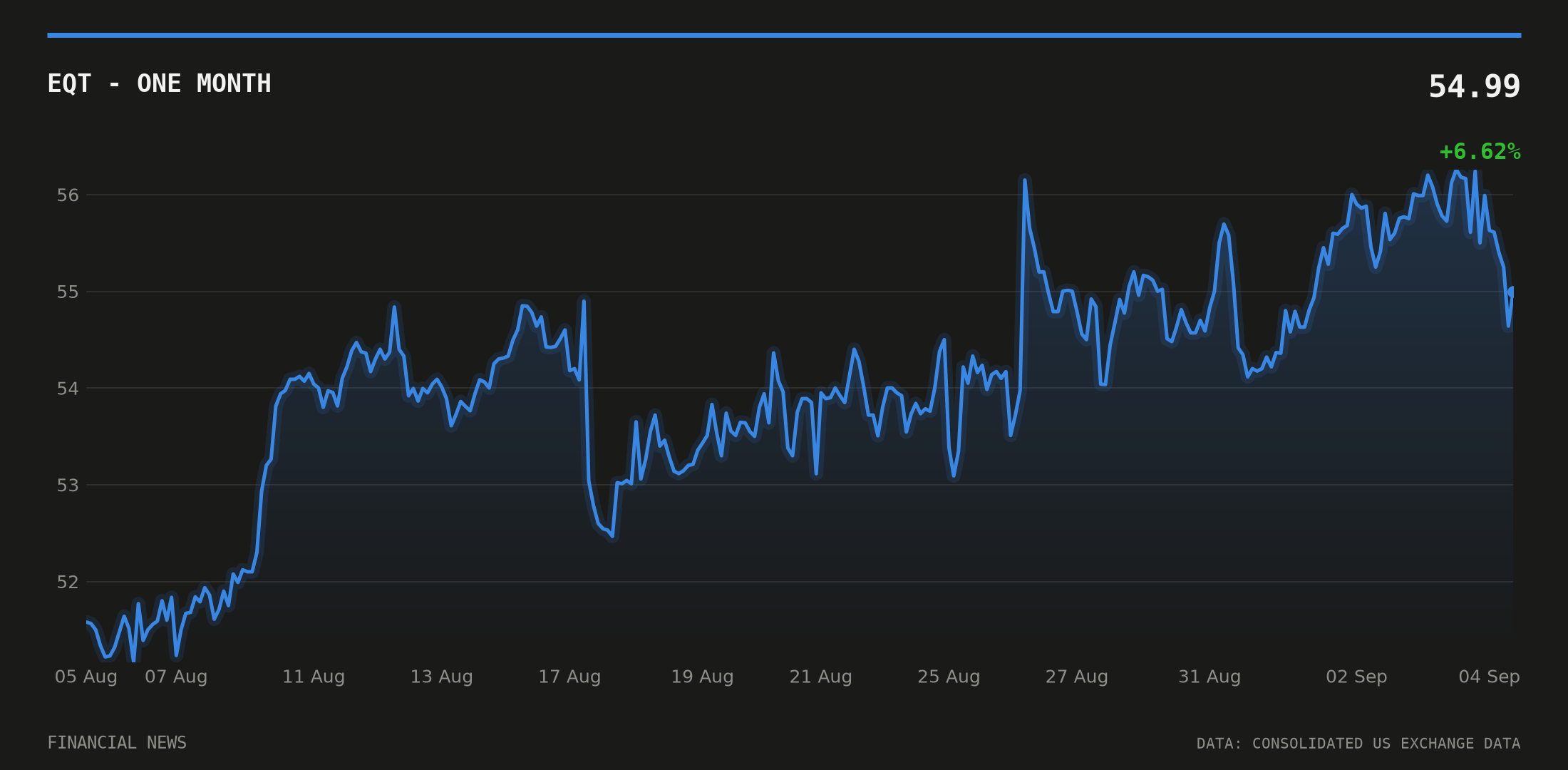
Warburg Pincus will sell its entire equity stake in the business, Bloomberg reported, as first disclosed by Bloomberg.
Founder and chief executive Steve McGill will continue to lead the firm, while chairman John Lloyd remains “actively involved,” the company said in the announcement carried on Business Wire. Both men will stay on as significant shareholders alongside the firm’s wider staff base, according to reporting from Insurance Age, which put the sterling equivalent of the deal at £1.48bn.
Evercore, Perella Weinberg, Freshfields and Unity Advisory advised McGill and Partners on the transaction, while Ardea Partners and Clifford Chance advised EQT, according to a Reuters wire report carried by Investing.com. The same report said the deal is expected to close in the first half of 2027.
From startup to $2bn broker in seven years
McGill and Partners was founded in May 2019 by Steve McGill, a former Aon group president, and John Lloyd, according to City A.M. The firm has since grown revenues to more than $250m and expanded to roughly 600 employees across seven countries, the same report said.
Warburg Pincus first sounded out advisers in January 2026 about a sale that could fetch north of $1bn, according to Insurance Business Magazine. The $2.0bn figure now agreed is double that early guidance, underlining how the specialty broking market has re-rated over the past eight months.
The transaction lands in the same week that KKR agreed to exit insurance broker USI for a reported $17bn, Insurance Business Magazine also reported, a sign that private equity’s appetite for insurance distribution assets shows little sign of easing.
A crowded field for insurance distribution
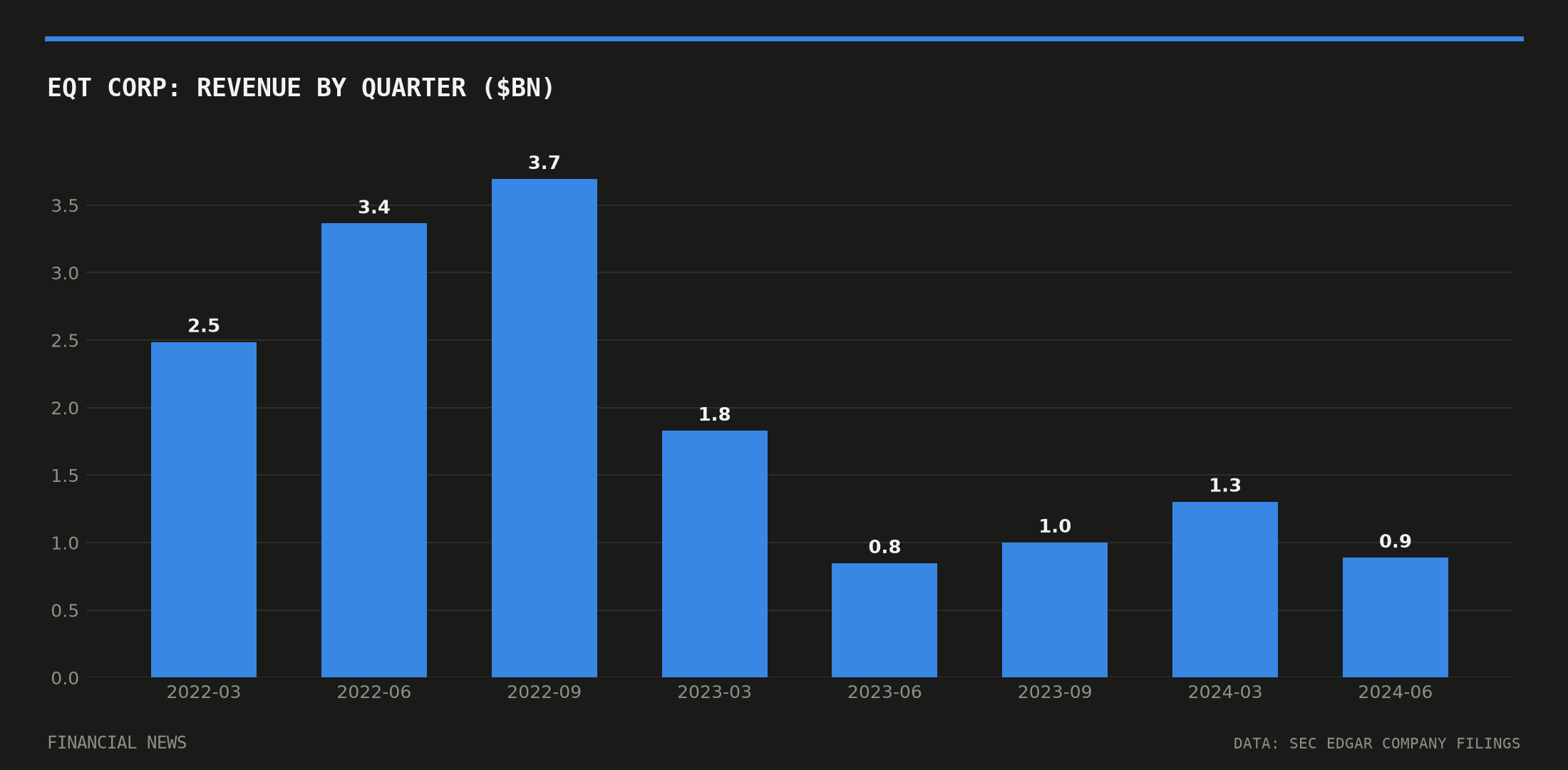
Specialty and wholesale broking has drawn sustained buyout interest over the past two years, as firms chase recurring commission income that is less exposed to underwriting cycles than the insurers themselves. The McGill and Partners sale follows a run of similar transactions in the London and Bermuda markets, where PE-backed platforms have consolidated smaller specialist brokers to build scale in complex risk lines such as war, cyber and political violence cover.
Dealmakers in this segment have also had to contend with a financing backdrop that has stayed comparatively tight. The 10-year US Treasury yield stood at 4.79% on 2 September, unchanged from the prior session, while the 2-year yield held at 4.39%, according to FRED data from the Federal Reserve Bank of St. Louis. The resulting 10-year/2-year spread, at 0.43 percentage points on 3 September, has widened slightly from 0.40 points, the same source shows — a modest steepening that has done little to dent leveraged buyout activity in insurance services, where cash-generative brokerage models have continued to command premium multiples even as borrowing costs stay elevated.
US inflation and labour data released over the summer offered a mixed signal for dealmakers weighing financing costs against growth. The consumer price index rose to 332.813 in July from 332.568 a month earlier, per FRED figures, while the unemployment rate eased to 4.1% from 4.2%, according to the Bureau of Labor Statistics data compiled by FRED. Neither series points to an imminent shift in the rate environment that has underpinned private equity’s financing calculus through 2026.
For McGill and Partners, the immediate focus now shifts to the twelve-month run to a first-half 2027 close, during which the firm’s advisers and regulators will work through the standard approvals for a transaction of this size. Steve McGill and John Lloyd’s continued presence as both operators and shareholders is likely to be scrutinised as a marker of management continuity through that period, alongside how EQT integrates the broker within its wider financial services portfolio.
This article is for information only and is not investment advice or a recommendation to buy or sell any asset. Markets move quickly; figures are correct as sourced at the time of writing. Always do your own research before making financial decisions.
