
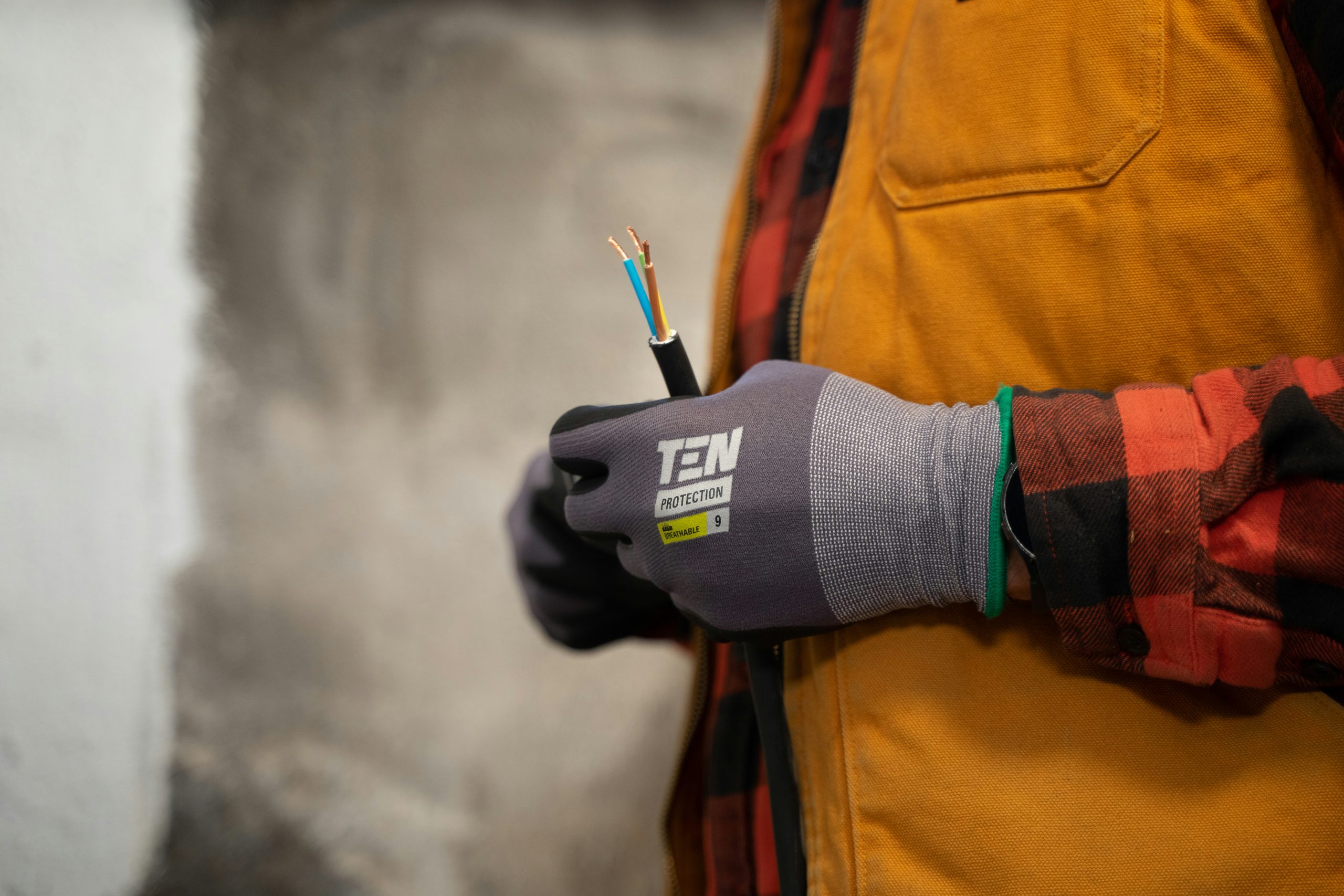

Electronic systems are at the heart of modern industrial operations. But these are not “set and forget” systems; the right electrical maintenance products and methods are essential to help ensure their longer-term performance and dependability.
While the most advanced electronic systems are designed to be reliable over time, they do contain various sensitive components.
If the likes of dust, grease, moisture, oxidation, or other contaminants are allowed to get inside these devices, performance may rapidly degrade. This can lead to reduced efficiency, intermittent faults, and ultimately, expensive failures.
It is crucial, then, for those responsible for the maintenance of electronic systems to be aware of the best maintenance practices, and to implement them proactively. Taking such steps will be key to ensuring continued reliability, safety, and efficiency.
The Importance of Proper Electronic Maintenance
A key difference between mechanical equipment and electronic components is that the latter can be easily affected by contaminants that the human eye may barely be able to see. These include the likes of fine dust particles, residues from manufacturing processes, airborne oils, and oxidation on electrical contacts.
Such contaminants can bring about undesirable consequences like short circuits, corrosion, reduced conductivity, thermal issues, and electrostatic discharge (ESD) risks. The latter term refers to situations where poor handling or cleaning can exacerbate damage to sensitive semiconductors.
By contrast, if a sensible maintenance routine is put into action for electronic components, this can help to:
- Prevent premature component failure
- Enhance electrical performance
- Reduce unexpected equipment downtime
- Preserve the accuracy of sensor readings
- Prolong the service life of electronic assemblies
- Drive down long-term maintenance costs
Another crucial emphasis to place is on preventive maintenance techniques, rather than purely reactive ones. Achieving this shift can be particularly cost-effective for organisations that rely on continuous operation, as the expense of “ad-hoc” emergency repairs can add up considerably in the long run.
Best Practices for Electronic Maintenance
One of the most important practices for maintaining electronic systems responsibly, is ensuring the right maintenance products are used on them.
For instance, the use of general-purpose cleaning products on electronic devices and gadgets can cause damage, leave residues, or introduce moisture where it should not be.
Relying on such general products is all the more unnecessary given the availability of specialist electronic maintenance products that are specifically formulated to clean sensitive components safely. They typically evaporate quickly and leave little or no residue.
It is also true, though, that using the right products is just one part of a successful electronic maintenance process.
Those responsible for maintaining electronic equipment, then, should embrace such recommended practices as:
- Always disconnecting equipment from the power supply prior to cleaning
- Adhering to manufacturer maintenance instructions
- Allowing cleaning solvents to evaporate fully before re-energising equipment
- Avoiding the excessive application of solvents
- Using lint-free cloths, foam swabs, or anti-static brushes where appropriate
- Wearing appropriate personal protective equipment (PPE) and working in an adequately ventilated area when using solvent-based products.
Keeping to a proactive preventive maintenance schedule will leave you better placed to identify emerging issues, such as worn connectors, damaged cables, or overheating components, before they have a chance to become more serious.
A High Standard of Maintenance Helps Ensure Long-Term Reliability
With the full range of electronic maintenance products encompassing the likes of chemical cleaners and protectants, soldering and rework equipment, diagnostic and testing instruments, and precision hand tools and accessories, there should be no doubt that proper maintenance covers many different aspects.
So, when those with responsibility for electronic systems invest in the right products and use the most suitable techniques, they will be going a long way to protecting their valuable components, minimising unexpected failures, and saving money over time.
Organisations that make maintenance a priority put themselves in a strong position to keep their electronic systems running at peak performance for longer, whatever the demands of their industry may be.
