

If you’re sitting in your office or managing a commercial facility right now, you already know that energy bills are no longer just a standard line item on your balance sheet – they are a volatile risk.
With the UK’s commitment to Net Zero looming and grid prices remaining stubbornly high in 2026, switching to renewable energy isn’t just an exercise in good public relations. It’s a hard-nosed defensive strategy to lock in your long-term operational costs.
However, what works for a detached home rarely makes sense for a business. Commercial premises have different energy loads, varying structural limits, and unique tax incentives. Here is a breakdown of the best types of green energy for UK businesses right now, without the standard corporate fluff.
1. Commercial Solar PV (The All-Rounder)
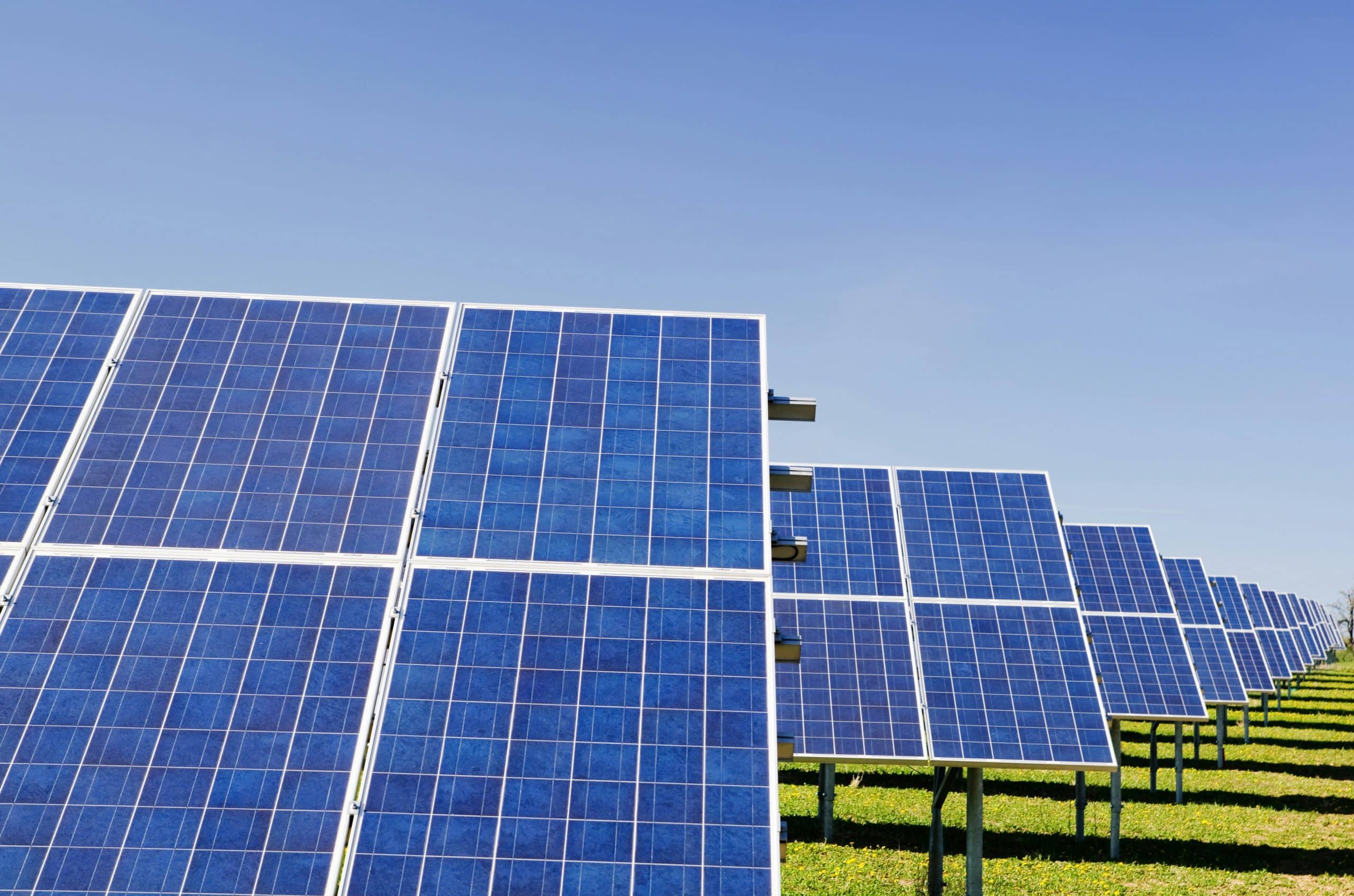
If your business operates primarily during daylight hours—think offices, warehouses, factories, or retail parks—Solar Photovoltaic (PV) is almost always the best place to start.
The match is perfect: you generate electricity at the exact time your computers, machinery, and lighting are drawing the most power. In 2026, standard commercial installations cost roughly £700 to £1,000 per kWp (kilowatt peak) depending on the size of your roof.
The Numbers: A medium-sized 100 kWp system will utilize around 650 square metres of roof space, costing roughly £85,000 to £110,000. But with grid energy prices where they are, many businesses see a full payback on that capital within 4 to 5 years.
In plain English:
- The Perk: You can use Full Expensing rules to deduct 100% of the installation cost from your taxable profits in year one.
- The Strategy: If you don’t have the cash upfront, look into a Power Purchase Agreement (PPA). A provider installs the panels for free, and you simply buy the electricity from them at a heavily discounted rate.
2. Commercial Heat Pumps (The Boiler Killers)
For businesses trying to decarbonize their heating—especially with the Future Homes and Buildings Standard effectively banning new gas connections later this year—heat pumps are the dominant choice.
They work like a fridge in reverse, extracting ambient heat from the air (Air Source) or the ground (Ground Source) and compressing it to heat your building.
- Air Source Heat Pumps (ASHP): These are the easiest to retro-fit into existing offices. They take up minimal external space and are incredibly efficient at keeping a building at a constant temperature.
- Ground Source Heat Pumps (GSHP): If you operate a large agricultural site or a manufacturing plant with surrounding land, ground source loops offer even higher efficiency because the temperature underground stays constant all year round.
The 2026 Incentive: The government’s Boiler Upgrade Scheme provides up to £7,500 towards replacing fossil-fuel systems in small non-domestic buildings, with the grant deducted directly from your installer’s invoice.
3. Biomass Heating (The Industrial Heavyweight)
If your business is involved in manufacturing, woodworking, or agriculture and requires high-grade industrial heat (rather than just cozy office space), heat pumps might struggle. This is where biomass comes in.
Biomass boilers burn organic materials—like wood pellets, agricultural waste, or wood chips—to generate heat and hot water.
- The Advantage: If your business actually creates wood waste as part of your daily operations, you are sitting on a free fuel source. You get rid of your waste disposal costs and heat your premises for free at the same time.
- The Catch: They require physical space for fuel storage and regular automated deliveries, meaning they are completely unsuited for urban office blocks.
4. Solar Carports and EV Infrastructure
If you own a business with a sizable staff or customer car park, you are sitting on a massive, unutilized energy asset.
A Solar Carport involves building canopy structures over parking bays and topping them with solar panels. This serves a double purpose: it generates clean energy for your main building and provides power directly to your electric vehicle (EV) charging points.
The 2026 Funding Push: The Workplace Charging Scheme has been extended. It covers up to 75% of the cost of installing EV sockets at your premises, capped at £500 per socket for up to 40 sockets. It’s a massive incentive if you’re trying to transition your company fleet or offer an attractive perk to your employees.
The Hidden Essential: Battery Storage
No matter which generation type you choose, the real game-changer in 2026 is Battery Storage.
Without a battery, any solar energy you generate on a sunny Sunday when the office is locked up gets sent back to the grid for a relatively low return via the Smart Export Guarantee (SEG). By adding a commercial battery, you can capture that weekend sun and use it to power your operations on Monday morning when energy prices peak.
The Verdict
For 90% of UK SMEs, the optimal path is a combination of Rooftop Solar PV and Air Source Heat Pumps. It addresses your two biggest overheads—power and heat—while maximizing the immediate tax deductions currently available.
