
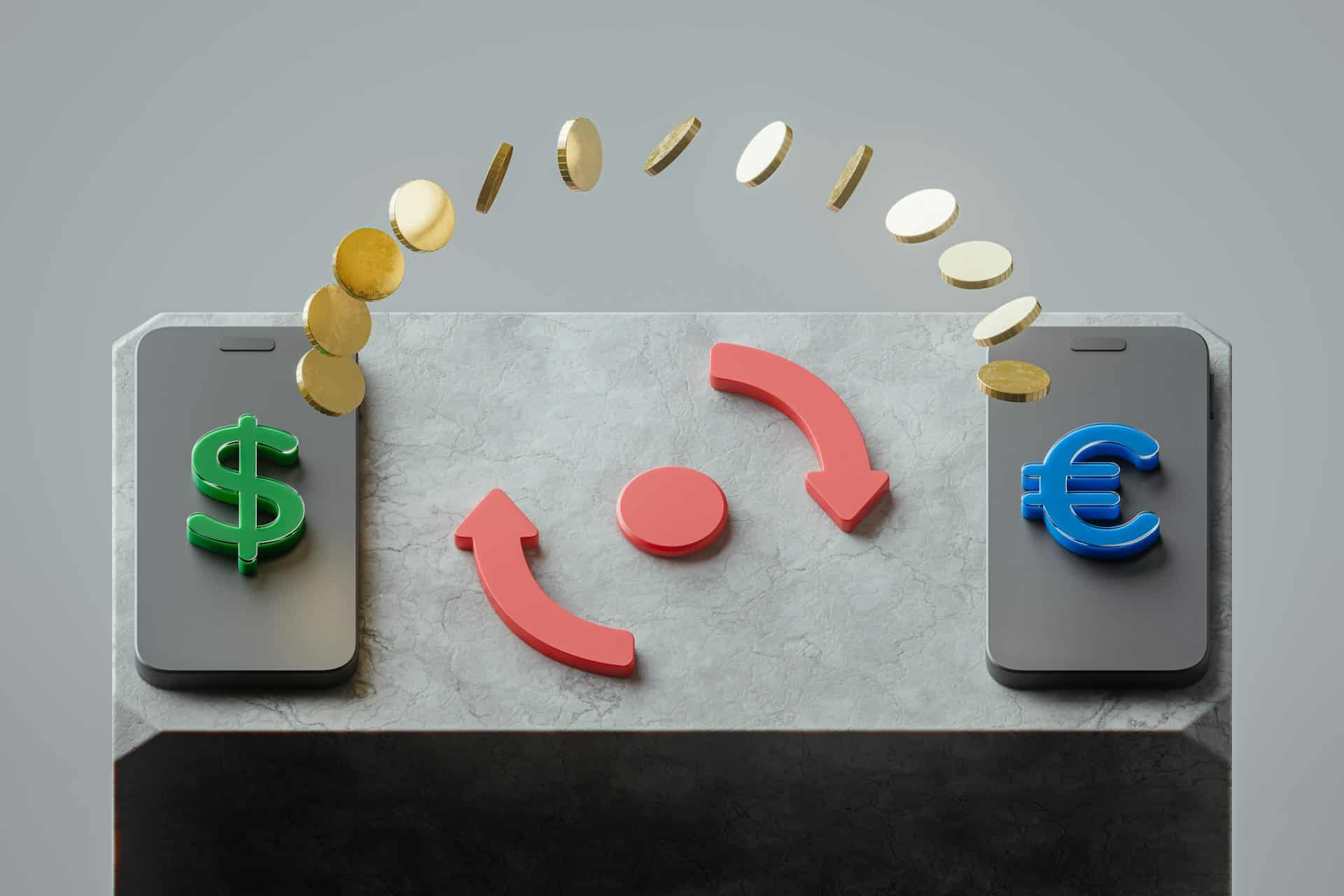

The movement of exchange rates affects more than just trading desks. In addition to affecting the cost of importing and exporting, exchange rates have an effect on traveller’s expenses, businesses’ profit margins and investments. The U.S. Dollar versus the euro is probably the most heavily traded currency pair. Both economies are major contributors to world trade and finance. When the u.s. Dollar rises and falls in relation to the euro, it creates ripple effects on consumers, companies and Investors. Therefore, understanding the reasons behind this dynamic will help many make better financial decisions.
Why does the U.S. Dollar vs. Euro pair matter?
Both The United States and the euro area are among the largest players in global trade and investment. As such, both currencies are commonly used as reserve currencies and in various types of international agreements and transactions. Due to their prominent status, movements of the u.s./euro pair tend to reflect broader expectations about each respective regional economy. Interest rate decisions made by the Fed (u.s.) and ecb (europe) can cause rapid shifts in currency markets. For example, when investors believe interest rates will be raised at one location relative to others, there may be increased demand for that country’s currency.
The current USD/EUR exchange rate in Germany is available on wechselkurse-vergleich.de.
What moves the currency Market?
There are several measurable variables that determine how much value exists within the U.S. Dollar and the euro relative to one another.
Firstly, monetary policy has been shown to be a leading driver of currency values. Central banks alter interest rates in order to control inflationary pressures while promoting economic expansion. Higher anticipated yields typically lead to increased inflows of foreign capital into that particular country/region/currency.
Secondly, inflation also has a very significant impact upon currency values. Where there is evidence of continued high inflation in one region, investors may need to reassess their long-term perceptions regarding that region’s purchasing power.
Thirdly, political developments are capable of causing short-term fluctuations in currency values due to election results, tax discussions and/or regulatory uncertainties which can negatively affect perceptions of future growth prospects and investor confidence.
Lastly, energy prices can affect currency sentiment and ultimately, economic expectations since Europe relies significantly on foreign supplies for its energy needs. As such, price increases in energy supplies could negatively affect both the economic outlook for Europe as well as its currency values.
Why do Investors care about currency values?
Investors care about currency values because currency values can have a direct impact upon real returns for shareholders. An investor who resides in europe and owns u.s.-based equities will experience greater appreciation of those equities provided stock prices continue to rise; however, should the value of the dollar decline during that time period as it relates to the euro, potential profits generated by those rising stocks would likely diminish greatly when translated back into euros.
Large institutional Investors generally employ hedging strategies involving currency-based derivatives in order to mitigate currency risks associated with foreign investment activities. Individual private investors tend to focus on developing diversified portfolios across multiple geographic locations and industries.
Finally, currency trend directions can provide insight into the general attitudes of Investors. Historically, a strengthening dollar has been viewed as indicative of cautiousness or tighter financial conditions whereas a strengthened euro has historically reflected optimism toward growth prospects in the eurozone.
Impact upon travelers and consumers
As previously stated, currency values have practical applications in day-to-day life. Should the value of the euro increase compared to the dollar, European travelers visiting The United States will receive more dollars per trip, making hotels, food and transportation options less expensive in comparison to their previous costs.
Conversely, if the dollar appreciates in value relative to the euro, then imported goods tied to international supply chains may be more expensive in Europe. Examples include electronics, commodities and certain consumer goods.
Businesses that import raw materials or export finished goods watch these developments very closely because they can result in margin erosion over time.
What to look out for going forward
Participants in currency markets frequently monitor the release of data related to inflation, labor statistics, gross domestic product growth and statements issued by central bankers. Additionally, bond yield movements are monitored because they can positively/negatively affect capital inflows/outflows.
Unexpected events can cause dramatic changes in currency values almost instantly including unforeseen military conflicts or disruptions occurring in banking systems.
Individuals seeking to prepare themselves for changing currency values should view unexpected events more as opportunities rather than threats. Travelers should research and compare exchange rates prior to converting their money. Investors should analyze their existing holdings to ensure adequate representation of all relevant exposures. Business owners should continually evaluate whether their plans remain consistent with current Market conditions.
