
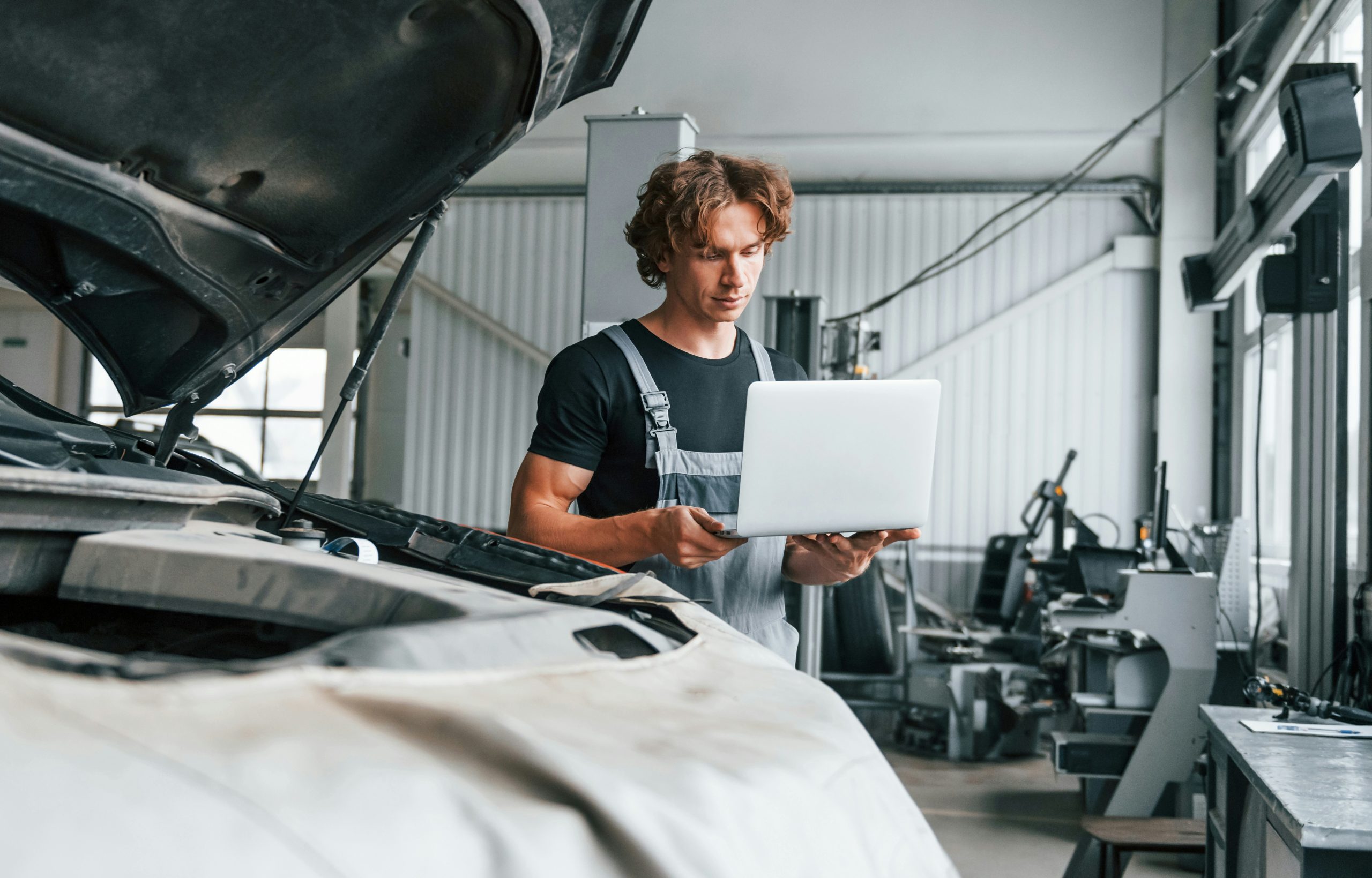

Trust remains one of the biggest challenges that is going through in the automotive industry today. Whether buying a used car, renting a vehicle, or filing an insurance claim, customers many times feel uncertain about whether they’re being treated fairly.
The inspection process has not changed for a very long time even though there have been changes and advancement in other automotive technology. Manual, subjective evaluations have an uncertainty that creates skepticism.
AI-powered vehicle inspections are changing this by having transparency and objectivity that traditional methods cannot give. By giving customers clear visual evidence and standardized assessments, automotive companies can rebuild trust that manual processes have deteriorated.
Breaking Down the Trust Problem in the Automotive Industry
Manual and Subjective Inspections
Vehicle inspections depend heavily on individual inspector judgment. Different people looking at identical damage reach different conclusions about severity and repair requirements.
The lack of objective standards means customers have no way to independently prove the results. They must only trust that inspectors are being fair.
Evaluations that are inconsistent
Inspection quality changes a lot between facilities, companies, and even individual inspectors. A vehicle assessed at one location might get completely different condition ratings at another.
This inconsistency keeps the customers confused and makes them question whether any results are reliable and trustworthy.
Poor Documentation
Traditional documentation many times consists of handwritten notes and basic photos that lack detail. Important damage might get missed entirely. Photos may not clearly show locations or the amount of damage.
Poor documentation can leave the customers with incomplete information about the reality of the vehicle’s actual condition.
Customer Challenges
Customers repeatedly face problems over damage, especially in rental returns and insurance claims. Without clear documentation, proving what damage existed becomes nearly impossible.
The absence of visual proof means disagreements frequently come down to one person’s word against another’s. Delays in claims or approvals creates a lot of frustration. The combination results in low transparency that directly translates to low trust.
Why Traditional Inspection Methods Fall Short
Human Dependency and Subjectivity
The same damage evaluated by different inspectors produces different assessments. One person might think of a scratch as small ornamental damage, while another can rate it as something that needs instant repair.
This perspective comes from different experience, different training backgrounds, and personal judgment calls. Even experienced inspectors have irregular days of their own.
Incomplete Documentation
Manual inspections a lot of times miss damage completely or document it very badly. Inspectors rushing through assessments can skip the smaller issues. Photos taken in poor lighting don’t clearly show the actual damage that has happened.
This sketchy documentation can create problems when claims come up later. Without detailed initial records, proving what existed becomes difficult.
Time Delays
Manual processes are very slow. Scheduling inspector availability can take a lot of time. Having thorough examinations takes 30-45 minutes per vehicle. Preparing reports adds more delays.
These delays frustrate customers waiting for settlements or approvals. In rental situations, delays at return create scheduling conflicts.
Report Manipulation Risks
Manual processes give opportunities for fraudulent manipulation. Damage severity can be raised to inflate costs. Pre-existing damage can be claimed as new.
Insurance fraud through excessive claims costs the industry billions annually. The possibility for manipulation makes customers skeptical even of honest assessments.
No Standardization
Different locations, teams, and vendors apply completely different standards. One facility might document every minor imperfection while another only notes significant damage.
This decrease in standardization makes it very difficult to compare assessments properly. Customers receive very different treatment depending on which location they visit.
What AI-Powered Vehicle Inspections Actually Change
Core Technology
AI-powered inspections use computer vision models specifically trained on vehicle damage imagery. These models have learned to recognize different damage types by analyzing thousands of examples.
The systems work with image or video-based assessments rather than needing physical presence. Users click vehicle photos using smartphones or fixed cameras, then AI studies this visual data automatically.
Key Capabilities
AI systems study and analyze the damage automatically without any human involvement. The technology studies images systematically to study the scratches, dents, cracks, paint chips, and structural issues.
Above simple detection, AI classifies damage severity accurately. The system creates the difference between minor cosmetic issues and major problems that need immediate attention.
Most importantly, AI develops standardized reports immediately. In minutes of image capture, the system creates in-depth condition reports with damage locations that are mapped, severity ratings assigned, and repair recommendations given.
How AI-Powered Inspections Improve Customer Trust
Transparent Visual Proof
AI systems give customers detailed damage reports, including annotated images that clearly show exactly what issues exist and where they’re located before and after comparisons, making it obvious if the damage has happened during customer possession.
This visual transparency lets customers study and come to the conclusion about condition claims independently, instead of only trusting verbal descriptions. Detailed documentation with apt damage mapping removes ambiguity that creates problems.
Standardized Assessments
The same AI model applies identical evaluation logic to every vehicle inspection. A scratch in one location gets assessed using the same criteria as an identical scratch anywhere else.
This standardization removes human bias and subjectivity that make customers question whether assessments are fair. Customers know they’re receiving equal treatment regardless of which facility they visit.
Faster Turnaround Time
AI helps with fast damage detection and instant condition report generation. What took 30- 45 minutes before now completes in just minutes.
This speed improvement decreases the customer wait times significantly. The insurance claims process is faster. Rental returns happen more quickly. Used car assessments are completed very fast.
Less Disputes
Clear documentation decreases most disputes from coming up in the first place. When detailed visual evidence exists showing vehicle condition at specific points in time, arguments about damage responsibility become rare. Customers accept condition assessments more readily when they can see comprehensive visual proof supporting conclusions.
Fraud Detection and Prevention
AI systems identify fraudulent attempts through advanced analysis. The technology detects when photos have been reused from other sources or digitally manipulated.
This fraud detection protects honest customers from bearing the costs of fraudulent claims through higher premiums or rental rates.
Use Cases Across the Automotive Industry
Insurance Companies
AI helps with faster First Notice of Loss processing through photo-based inspections. Customers photograph damage immediately after incidents, that allows claim initiation without waiting for adjuster visits.
Claim accuracy makes it better because AI provides consistent damage assessment and better repair cost estimation. Fraud reduction happens through automated detection of reused photos and manipulated images.
Car Rental and Mobility Companies
Automated check-in and check-out inspections remove manual processing delays and problems. Customers complete vehicle analysis in minutes with the use of mobile apps that guide photo capture.
Instant damage reports give instant clarity about vehicle condition at pickup and return. This transparency stops the problems while also protecting both companies and customers.
Fleet Operators
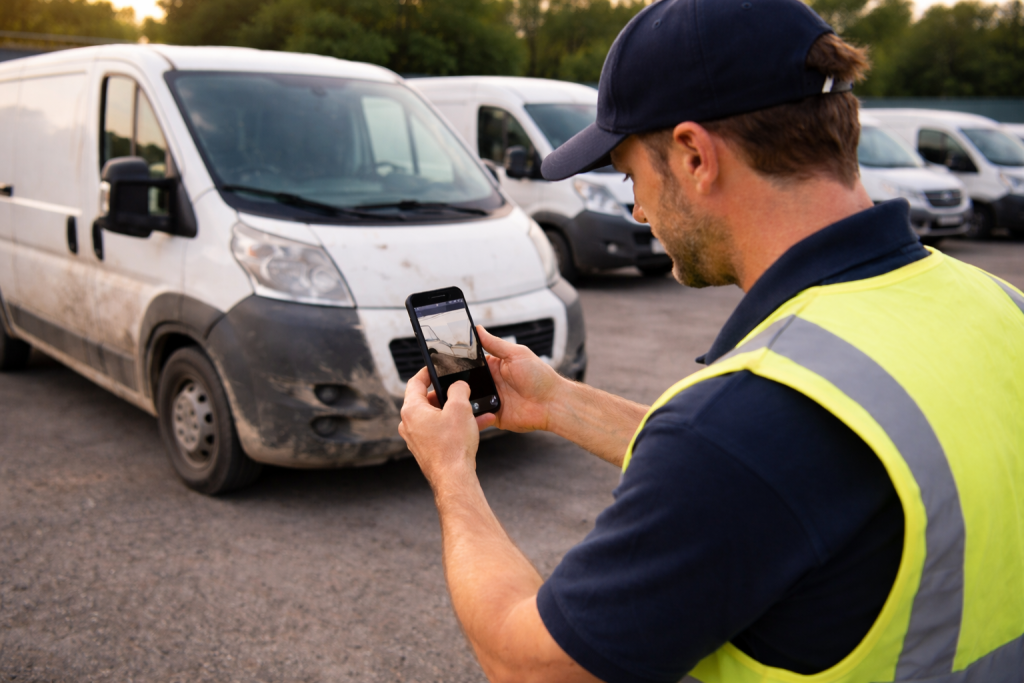
Regular condition tracking is helpful for the fleet managers that study vehicle health of the entire operation. Automated inspections study maintenance needs before they cause breakdowns. Preventive maintenance insights come from condition trends that help to optimize maintenance scheduling.
Used Car Dealerships
Verified vehicle condition reports give buyers confidence in vehicle quality. Professional AI-generated documentation demonstrates dealer commitment to transparency.
Standardized grading systems make it easy to compare vehicles fairly.
Business Impact Beyond Trust
While improved customer trust shows the primary benefit, AI inspections give additional business advantages.
Reduced operational costs are available from less manual labor that is needed for inspections. Automated processes remove inspector scheduling challenges and reduce staffing needs.
Faster claim settlement cycles make better customer satisfaction while reducing administrative overhead. Quick processing means less resources spent managing open claims.
Higher customer retention follows naturally from better experiences. Customers who trust companies through transparent processes become loyal repeat customers. Lower dispute resolution costs come from in-depth documentation that controls most disagreements. Less time spent resolving conflicts means lower operational expenses.
Scalable inspection processes allow business growth without proportional increases in inspection staff.
Conclusion
Customer trust in the automotive industry has gone through decades of opaque, subjective inspection processes that left people confused and asking themselves if they were being treated reasonably. AI-powered vehicle inspections can change this problem by providing the transparency and consistency customers need to trust these assessments.
Inspektlabs has advanced AI inspection technology that automotive companies need to gain customer trust while making the operational performance much better. Contact Inspektlabs today to learn how AI-powered inspections can change your customer relationships while also streamlining operations.
