

Seventy-seven per cent of UK payroll professionals are losing up to 11 hours every week battling inefficient systems. That’s nearly a day and a half per person, every week, wrestling with technology that should make their jobs easier.
The productivity drain sits at the heart of a deepening crisis revealed in new research published Tuesday. Payment delays have jumped from 43% to 68% of organisations in just 12 months—a 58% surge that means more than two-thirds of workers now face the prospect of late wages because back-office systems cannot keep pace.
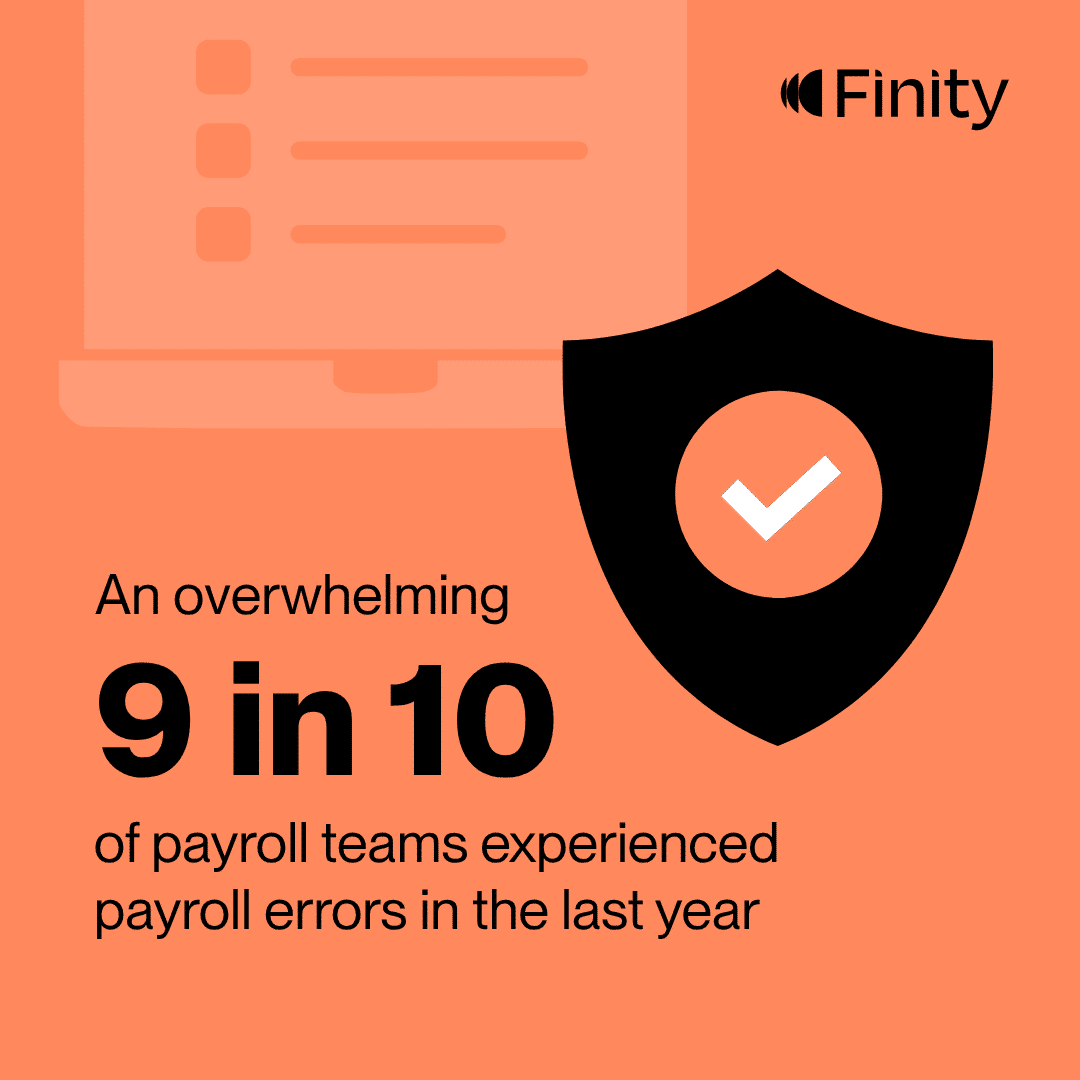
The figures emerge from Finity’s UK Payroll Efficiency Report 2026, which surveyed 342 finance and payroll department employees between late December and mid-January. What they found was a function under siege: 89% reported payment errors in the past year alone.
Manual processes persist despite years of digital transformation rhetoric. Forty-three per cent still handle bank reconciliation by hand. Another 36% process timesheet approvals the same way. Human error during manual payroll processing now ranks as the most common cause of mistakes, cited by 48%—up from 43% the previous year.
The problem isn’t external. Nearly a third of respondents traced errors to incorrect or incomplete data within their own systems. Another 32% blamed stress, workload and time pressure. Thirty per cent pointed to disconnected systems that refuse to talk to each other.
That integration failure drives the payment delay crisis. Forty-nine per cent identified poor integration between onboarding, timesheets, payroll and payment platforms as the single biggest barrier to getting workers paid on time. Complex banking processes came second, affecting 46%.
Most organisations now run payroll across multiple platforms—70% use more than one system. But 63% experience problems when transferring data between them, either frequently or occasionally. Mismatched records, duplicate entries, failed transfers.
Two-thirds of payroll teams deal with errors regularly: weekly, monthly or quarterly. Thirty-eight per cent face issues every single month.
The administrative burden is taking a personal toll. Twenty-eight per cent describe their systems as outdated or overly complex. Twenty-seven per cent feel overwhelmed by payroll administration. Twenty-six per cent say the lack of integration between back-office payroll and banking causes delays they cannot control.
Varun Monteiro, chief executive of Finity, which commissioned the research, was blunt about the implications. “Our latest data paints a clear picture of an intensifying issue: complexity, disconnected systems and insufficient automation are creating negative experiences for payroll teams – and putting the reliability of paying workers on time at risk.”
“Payroll should be one of the most predictable and controlled functions in any organisation. Yet our research shows that payment delays, errors and inefficiencies remain widespread – largely driven by internal systems that organisations have the power to improve,” he noted.
The persistence of manual workflows troubled him most. “While some progress has been made since 2025, the persistence of manual processes, poor integration and data transfer issues suggests that industry-wide financial unity is still a way off,” Monteiro observed.
He argued that organisations hold the solution. “By better aligning payroll and payments through technology and integration, organisations can reduce errors, unlock invaluable time and ensure workers are paid accurately and on time.”
For recruitment agencies, the stakes extend beyond internal operations. Samantha Hurley, operations director at APSCo—the international trade body representing professional recruitment companies—connected the dots to supply chain trust.
“These findings reflect the operational reality many recruitment businesses are navigating. As recruitment businesses manage increasingly complex workforce supply chains and compliance demands, the processes behind paying workers have become more demanding, yet the technology supporting them has not always kept pace,” she explained.
“For recruitment businesses, this goes beyond an internal operational issue. The ability to pay workers accurately and on time underpins trust across the entire supply chain, from contractors to clients. When payroll processes become slow, fragmented or difficult to oversee, they can create unnecessary risk and administrative burden for recruitment companies operating in an already complex environment,” Hurley added.
Regulatory scrutiny is tightening. “As scrutiny across labour supply chains continues to evolve, the ability to demonstrate reliable and transparent payroll processes will become increasingly important. Recruiters that take a proactive approach to strengthening their payroll processes will be better placed to maintain trust with workers, clients and regulators alike,” she noted.
Her assessment was unequivocal. “Ultimately, efficient payroll operations are not just an administrative function – they are a critical part of running a reliable and competitive recruitment business.”
The research, conducted by Research Without Barriers between 22 December 2025 and 15 January 2026, adhered to UK Market Research Society guidelines and GDPR compliance standards. All 342 respondents worked in finance or payroll departments and held direct involvement in their organisation’s payroll operations.
The year-on-year comparisons reveal a function moving in the wrong direction. Payment delays up 58%. Manual error rates climbing. Productivity losses edging higher from 75% to 77% of teams affected.
Thirty-two per cent identified lack of automation as a core issue—a problem with a known solution that remains frustratingly out of reach for teams trapped in legacy workflows. The technology exists. The will to implement it, or the budget to make it happen, apparently does not.
For workers waiting on wages, the statistics translate to real consequences. Late rent payments. Missed bills. Childcare fees that cannot wait for systems to reconcile.
The question facing UK organisations is whether the productivity cost—11 hours per week per payroll professional—will finally force the investment that digital transformation slogans have promised for years but failed to deliver.
