
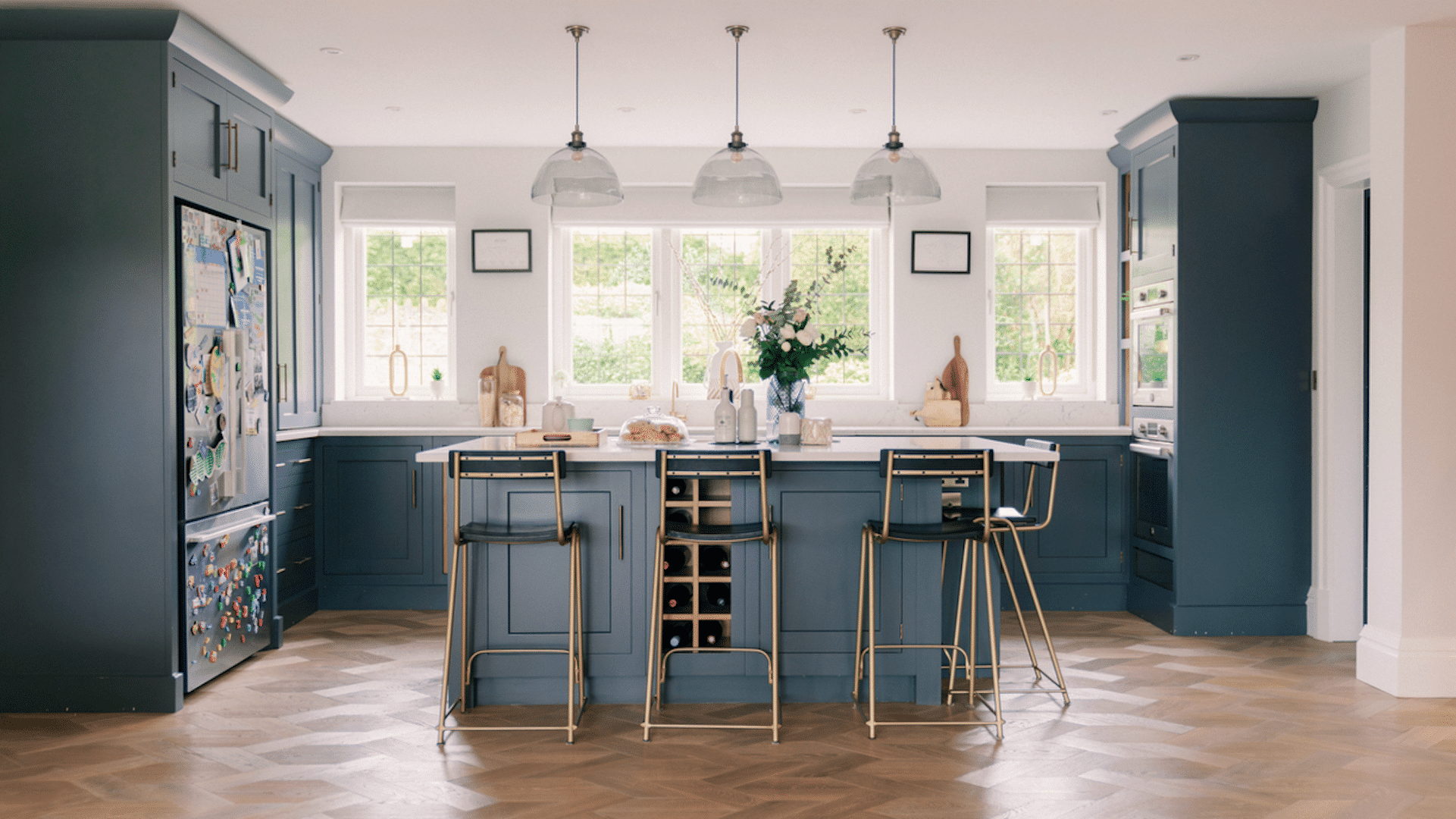

Mark Hood noticed the shift about 18 months ago, when renovation briefs landing on his desk started sounding different. Homeowners were still calling about extensions. But the conversation had changed.
“Five or six years ago the brief we heard most often was simply about creating more space,” he explained.
Hood, Director of Architecture at Resi, the UK’s leading home extension company, has watched priorities reshape across hundreds of projects. The question now isn’t how much square footage can be added. It’s whether the house will stay warm through winter.
“Now homeowners are thinking much more holistically about how their homes actually work,” Hood noted. “People are asking how they can make their homes warmer, brighter and more efficient, rather than just bigger.”
That transformation—from square metres to thermal performance—is rewriting how Britons approach home improvements. Rising construction costs collided with stubborn energy bills. Homeowners started doing the sums differently.
The result? Smaller structural additions paired with serious retrofit work.
Analysis of recent residential renovation projects by Resi reveals homeowners are increasingly combining modest extensions with upgrades that previous generations would have skipped: improved insulation throughout, new triple-glazed windows, redesigned ventilation systems, layouts reconfigured to capture natural light. The goal is making existing space work harder rather than simply annexing more of the garden.
Architects report the shift is changing not just the scale of projects but their entire character. Where expansive open-plan kitchen extensions once dominated, compact rear additions with floor-to-ceiling glazed doors now prevail. Homeowners want light and warmth, not necessarily an extra 40 square metres.
Broken-plan layouts—subtle divisions between living areas that preserve openness whilst creating defined zones—have overtaken the fully knocked-through ground floor. Integrated storage, built-in desk alcoves and multi-purpose rooms appear in nearly every brief. These aren’t cosmetic choices. They’re responses to the reality that building bigger costs more than ever, whilst heating poorly insulated space drains bank accounts monthly.
Construction material prices and labour costs climbed sharply in recent years, forcing homeowners to weigh every decision against long-term value. Adding 20 square metres means little if the heating bill becomes unsustainable or the poorly designed layout creates dead space nobody uses.
“When people are investing a significant amount in their homes, they want to know that the changes they’re making will genuinely improve day-to-day living,” Hood observed. “That might mean adding a modest extension while also upgrading insulation, improving glazing or redesigning the layout so the space works better for modern life.”
The trend reflects broader pressures reshaping the UK housing market. Mortgage costs remain elevated compared to the ultra-low rates of the previous decade. Energy prices, despite recent declines from their peak, stay well above historical norms. In cities like London, Manchester and Bristol—where Victorian and Edwardian terraces dominate—improving what exists often makes more financial sense than attempting to move up the property ladder.
For many households, particularly in urban areas with older housing stock, the alternative to renovation isn’t building bigger elsewhere. It’s staying put and making the current house function properly. That calculus favours efficiency improvements over expansion.
The retrofit sector has grown accordingly, with specialists reporting increased demand for insulation upgrades, glazing replacement and ventilation systems that meet modern building standards. What was once considered optional—mainly pursued by environmental enthusiasts—has become standard practice for homeowners planning any significant work.
Architects say the conversations now start from a different premise. Rather than “How much space can we add for our budget?”, clients ask “How can we make this house comfortable year-round whilst adding some extra room?” The priorities have flipped.
That reordering influences every design decision. Glazing specifications matter as much as floor plans. Insulation details get discussed alongside kitchen layouts. Heating system upgrades factor into budgets from the outset rather than appearing as afterthoughts.
The shift also changes how architects approach design. Maximising natural light through careful orientation and window placement reduces reliance on artificial lighting. Reconfiguring layouts to improve air circulation and heat distribution means radiators work less hard. Even small extensions, when properly integrated with retrofit upgrades, can transform how an entire house performs.
In practical terms, a typical project might now involve a four-metre rear extension combined with external wall insulation across the whole property, replacement of all single-glazed windows with high-performance double or triple glazing, installation of mechanical ventilation with heat recovery, and internal reconfiguration to create flexible living spaces with ample built-in storage.
The upfront cost remains substantial. But homeowners increasingly view these improvements as investments that deliver daily returns through lower energy bills, improved comfort and enhanced functionality—benefits that persist long after construction dust settles.
Housing experts suggest this approach will likely become more common as homeowners balance competing pressures. The limited availability of larger homes in many urban areas means moving up isn’t always feasible. Improving what you already own becomes the pragmatic choice.
For architects and designers, the evolution represents a maturation of how Britons think about their homes. The assumption that more space automatically improves quality of life has given way to a more nuanced understanding. Space matters. But so does warmth, light, efficiency and how rooms actually function for daily living.
Whether this shift proves temporary—a response to a particular economic moment—or marks a permanent change in renovation culture remains uncertain. What’s clear is that the brief arriving on architects’ desks today looks markedly different from the one that dominated half a decade ago.
The question now is whether the construction industry, planning system and financing options will adapt to support homeowners pursuing this more holistic approach to home improvement. Early signs suggest demand is already reshaping the market, with specialists in retrofit and energy efficiency reporting sustained growth.
For Hood and his colleagues, the change means rethinking how they present options to clients. The conversation has become more complex, weighing thermal performance against spatial design, long-term running costs against construction budgets, flexibility against definition.
But it’s also more interesting. Designing homes that genuinely work better—not just bigger—requires deeper engagement with how people actually live. And that, architects suggest, produces better results than simply adding square metres ever could.
