
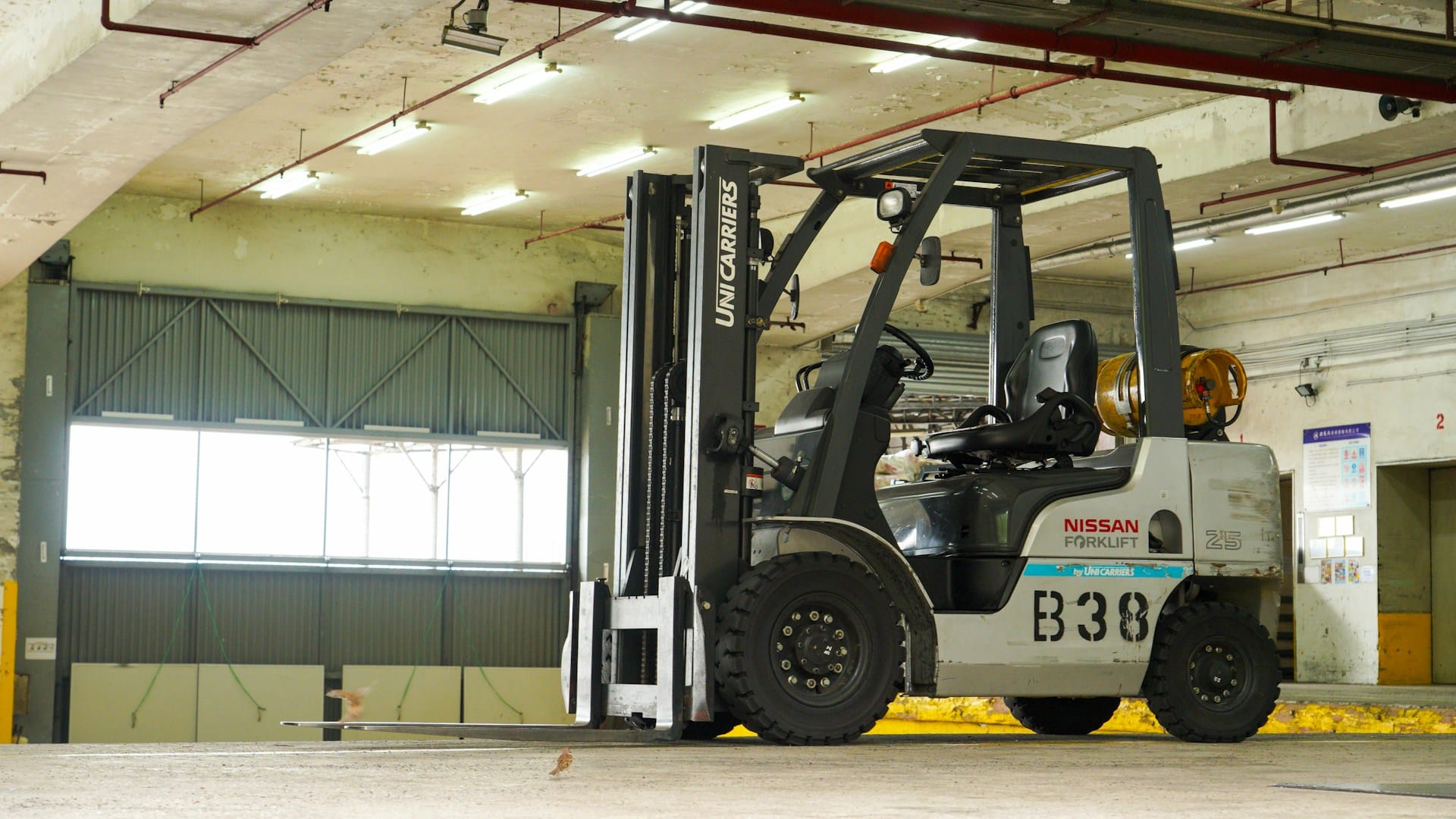

Traditional forklifts have served warehouses admirably for decades, but they come with inherent limitations that restrict operational efficiency. Standard forklifts excel at moving loads forward and backward, yet struggle in confined spaces and narrow aisles where manoeuvrability matters most. Multi-directional forklifts address these challenges head-on, offering innovative solutions that transform how businesses handle long, bulky, or awkwardly shaped materials. Understanding these advanced machines helps warehouse managers make informed decisions about equipment investments that directly impact productivity and space utilisation.
The Space Efficiency Advantage
Warehouse space represents a significant operational expense, making efficient use of every square metre crucial for profitability and competitiveness.
Narrower Aisle Operations
Multi-directional forklifts operate effectively in aisles as narrow as 1.6 metres—roughly half the width required by conventional counterbalance machines. This capability allows businesses to reconfigure warehouse layouts, adding additional racking rows that substantially increase storage capacity without expanding building footprints. The space savings translate directly into reduced property costs or enhanced inventory holding capabilities.
Eliminating Turning Circles
Traditional forklifts require considerable turning space to change direction, creating “dead zones” that cannot accommodate racking or storage. Multi-directional machines move sideways, eliminating these wasted areas entirely. Operators can navigate tight corners and confined spaces that would be impossible with standard equipment, maximising usable warehouse area.
Handling Long and Awkward Loads
Certain industries regularly handle materials that challenge conventional forklift designs—timber merchants, steel stockholders, and building material suppliers particularly benefit from multi-directional capabilities.
Timber and Building Materials
Lengths of timber, plastic piping, steel beams, and similar materials create handling difficulties for standard forklifts. Moving these items through warehouses requires wide aisles and careful manoeuvring to avoid damage to products, racking, or the forklift itself. Multi-directional forklifts carry long loads sideways, travelling lengthways through narrow spaces that would otherwise be impassable.
Reducing Product Damage
When conventional forklifts transport long items, the load extends far beyond the machine’s body, increasing collision risks with racking, doorways, and other obstacles. Multi-directional operation keeps loads aligned with aisle directions, dramatically reducing accidental impacts that damage inventory and infrastructure whilst maintaining safer working environments.
Operational Efficiency Gains
Beyond space optimisation, multi-directional forklifts deliver tangible productivity improvements that justify their investment through reduced operational costs.
Faster Load Handling
Operators spend less time manoeuvring in confined spaces, completing picking and putaway tasks more quickly. The ability to travel sideways eliminates the back-and-forth positioning required by traditional forklifts, streamlining workflows and increasing throughput. Time savings accumulate throughout shifts, significantly boosting overall productivity.
Single-Operator Solutions
Tasks that might require coordinated efforts from multiple operators using conventional equipment often become manageable for single operators with multi-directional machines. This efficiency reduces labour requirements whilst maintaining or improving handling speeds, delivering cost savings that compound over time.
Choosing the Right Multi-Directional Forklift
Selecting appropriate equipment requires careful consideration of your specific operational requirements, load characteristics, and facility constraints.
Load Capacity Requirements
Multi-directional forklifts are available in various capacities, typically ranging from 2,000kg to 5,000kg or more for specialised applications. Accurately assess your heaviest regular loads, adding safety margins to account for occasional oversize items. Underspecified equipment creates operational bottlenecks, whilst oversized machines waste resources and may prove unnecessarily expensive.
Power Source Considerations
Electric models offer quiet operation, zero emissions, and lower running costs—ideal for indoor environments with environmental concerns. Diesel or LPG variants provide greater power and longer operational periods between refuelling, suiting outdoor yards or high-intensity applications. If you’re exploring options, a comprehensive Combilift buyer’s guide can help match equipment specifications to your operational needs.
Mast Height and Lift Capacity
Consider your racking heights and typical stacking requirements when specifying mast options. Higher masts offer greater vertical reach but may affect stability and require taller doorways or building clearances. Balance lifting height requirements against practical facility constraints.
Training and Safety Considerations
Advanced equipment capabilities require appropriate operator training to ensure safe, efficient operation whilst maximising return on investment.
Operator Certification
UK regulations require forklift operators to hold valid certification for the specific equipment types they operate. Multi-directional forklifts fall under distinct categories requiring specialised training beyond standard counterbalance certification. Ensure operators receive comprehensive instruction covering sideways travel, load positioning, and the unique handling characteristics these machines present.
Workplace Assessments
Before introducing multi-directional forklifts, conduct thorough site assessments identifying potential hazards or operational challenges. Floor conditions, doorway widths, ceiling heights, and pedestrian traffic patterns all influence safe equipment deployment. Address any concerns before equipment arrives to ensure smooth integration into existing workflows.
Frequently Asked Questions
Are multi-directional forklifts more expensive than standard models?
Initial purchase prices typically exceed conventional forklifts due to their advanced engineering. However, the space savings, productivity gains, and reduced product damage often deliver strong returns on investment, particularly for businesses handling long or awkward materials regularly.
Can existing operators use multi-directional forklifts immediately?
No—specific training and certification are required. Whilst experienced forklift operators adapt relatively quickly, the sideways travel capability and different handling characteristics demand proper instruction to ensure safe, effective operation.
How much maintenance do these machines require?
Maintenance requirements are generally comparable to conventional forklifts, though specialist components may require manufacturer-approved service centres. Regular servicing schedules ensure reliability and longevity, protecting your equipment investment.
What industries benefit most from multi-directional forklifts?
Timber merchants, steel stockholders, builders’ merchants, window and door manufacturers, and any business regularly handling long or bulky materials see substantial benefits. However, any operation seeking to maximise warehouse density can gain advantages from these versatile machines.
Can multi-directional forklifts work outdoors?
Yes, though equipment specifications should match operating environments. Diesel or LPG models suit outdoor applications better than electric variants, whilst pneumatic tyres provide better traction on uneven surfaces compared to cushion tyres designed for smooth warehouse floors.
Transforming Material Handling Operations
Multi-directional forklifts represent significant technological advancement beyond conventional material handling equipment. For businesses handling awkward loads or seeking maximum warehouse space utilisation, these machines deliver compelling operational and financial benefits. By carefully assessing your requirements, selecting appropriate specifications, and ensuring proper operator training, you’ll unlock efficiency gains that enhance competitiveness whilst optimising your valuable warehouse space. The investment in advanced equipment pays dividends through improved productivity, reduced damage, and maximised storage capacity for years to come.
