
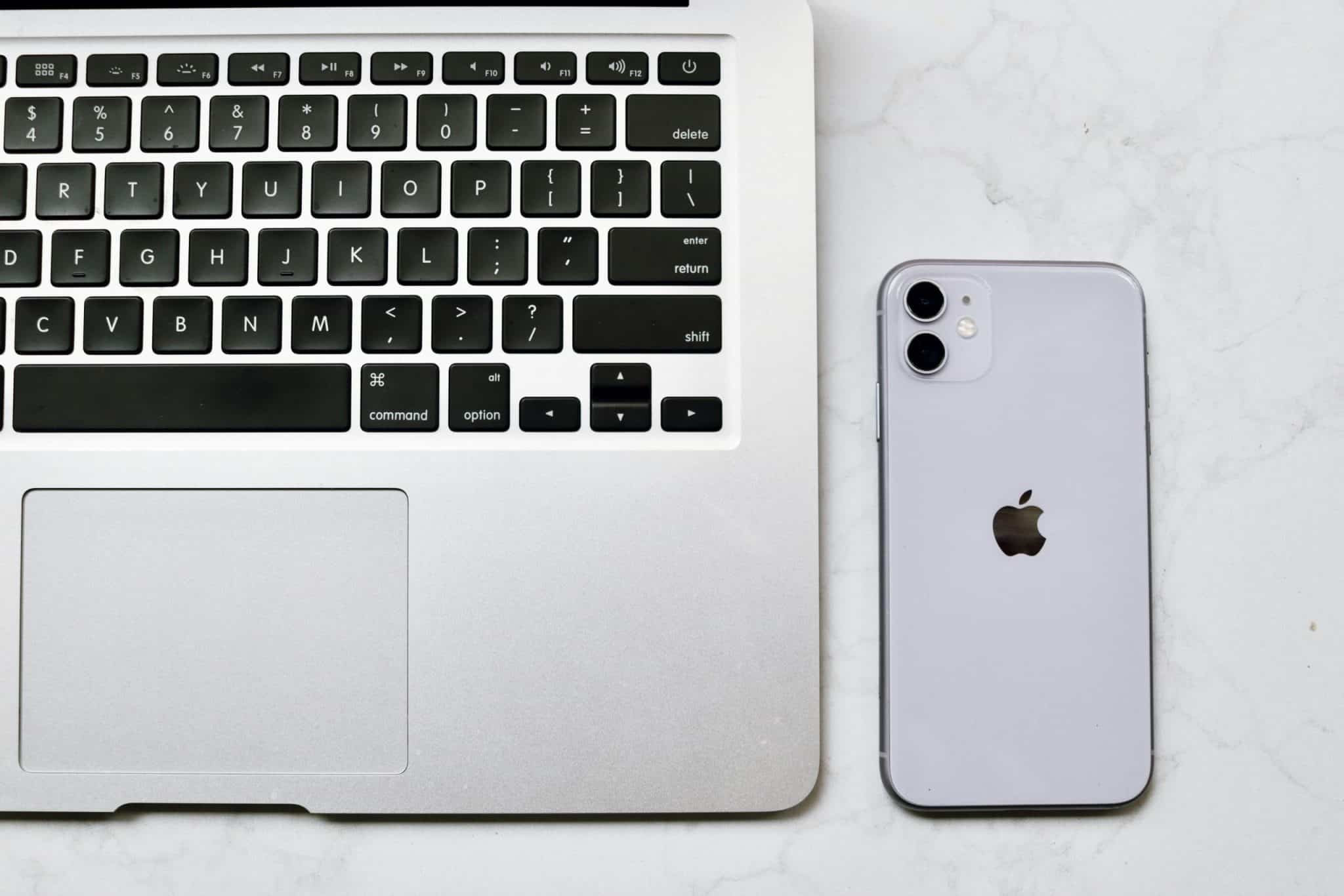

The UK’s online poker industry continues to thrive, with numerous poker sites for UK players offering diverse gaming experiences. As technology evolves, British players often debate between playing poker primarily on mobile devices or desktop platforms. Both options offer distinct benefits and drawbacks, significantly affecting gameplay, convenience, and user experience.
This article compares the pros and cons of mobile versus desktop poker platforms for UK players, helping individuals determine the optimal choice for their needs.
Mobile Poker Platforms
Mobile poker involves playing poker games through dedicated smartphone or tablet apps or mobile-optimized websites. Popular among younger players, mobile poker provides gaming on the go.
Pros:
- Convenience and Accessibility:
Players access poker games anywhere, anytime, provided there is internet access. Ideal for commuters or those frequently traveling, mobile poker enables spontaneous gaming sessions. - Quick Gameplay Sessions:
Mobile platforms encourage faster-paced games designed for shorter sessions, suitable for busy lifestyles. - User-Friendly Interfaces:
Poker apps often feature simplified, intuitive designs optimized for touchscreen interactions. Beginners find mobile interfaces less intimidating. - Instant Notifications:
Players receive alerts on tournaments, promotions, or account activity, ensuring they never miss important updates.
Cons:
- Limited Multitabling Options:
Smaller screens restrict players’ ability to manage multiple tables effectively, impacting advanced players who prefer simultaneous sessions. - Potential Distractions:
Playing poker in public settings or while commuting increases distractions, negatively affecting decision-making and concentration. - Battery and Connectivity Issues:
Frequent gaming quickly drains device batteries, and unstable connections can disrupt ongoing games, causing frustration or financial loss.
Desktop Poker Platforms
Desktop poker involves playing on personal computers or laptops through downloadable poker clients or browser-based applications. It remains favored by serious players and professionals.
Pros:
- Superior Multitabling Capabilities:
Larger screens allow experienced players to comfortably handle multiple tables simultaneously, enhancing productivity and potential earnings. - Detailed Analytics and Tools:
Desktop platforms often offer advanced software integration, including Heads-Up Displays (HUDs), detailed hand histories, and analytical tools supporting strategic play. - Stable and Reliable Connections:
Wired or stable Wi-Fi connections on desktop computers significantly reduce the risk of disconnection or lag during critical gameplay. - Enhanced Comfort and Focus:
Players seated at ergonomic setups can play for extended periods comfortably, reducing fatigue and improving concentration.
Cons:
- Reduced Portability:
Desktop poker restricts play to fixed locations, limiting spontaneous gameplay opportunities compared to mobile platforms. - Complexity for New Users:
Desktop poker software can appear overwhelming or complicated to beginners, leading to a steeper learning curve. - Technical Demands:
High-quality desktop clients may require powerful hardware or software upgrades, incurring additional costs and technical expertise.
Comparative Analysis: Mobile vs. Desktop Poker
Accessibility and Convenience:
- Mobile platforms clearly excel, offering unmatched portability and convenience for casual players. Desktop platforms lack this flexibility.
Gameplay Experience and Advanced Features:
- Desktop poker holds the edge, providing robust multitabling capabilities and advanced analytical tools favored by serious or professional players. Mobile interfaces generally lack these sophisticated features.
Stability and Technical Reliability:
- Desktop platforms again take the lead, delivering consistent performance, stable connectivity, and fewer disruptions during critical gameplay moments. Mobile gaming remains susceptible to connection instability.
User-Friendliness and Ease of Use:
- Mobile platforms offer simpler, more intuitive interfaces tailored to beginners. Desktop platforms, while powerful, may initially intimidate newcomers due to complexity.
Industry Insights & Expert Views
Experts from authoritative sources underscore these differences. A recent Ofcom report highlights growing mobile internet usage in the UK, signaling increased mobile gaming adoption. Conversely, professional poker communities on platforms like TwoPlusTwo frequently advocate desktop gaming for serious players, emphasizing advanced gameplay capabilities.
Final Verdict & Recommended Use Cases
Choose Mobile Poker If You:
- Seek convenient, casual gameplay suitable for quick sessions.
- Travel frequently or prefer flexibility in when and where you play.
- Value simplicity and user-friendly experiences over multitabling and advanced features.
Choose Desktop Poker If You:
- Aim for serious, professional-level play requiring multitabling capabilities.
- Rely heavily on analytical tools, statistics, and detailed gameplay insights.
- Prioritize stability, consistent performance, and extended gaming sessions in a focused environment.
Key Takeaways for UK Players
- Mobile Poker suits casual players prioritizing convenience, accessibility, and ease-of-use.
- Desktop Poker caters primarily to dedicated, strategy-focused players requiring advanced features and multitabling.
- Ultimately, combining both platforms may provide the most comprehensive gaming experience, enabling players to leverage the strengths of each option.
For further insights into technology’s impact on financial decisions and trends within the UK, visit the Financial News Technology section. By clearly understanding these pros and cons, UK poker enthusiasts can confidently select platforms aligning best with their playing style, preferences, and lifestyle demands.
