
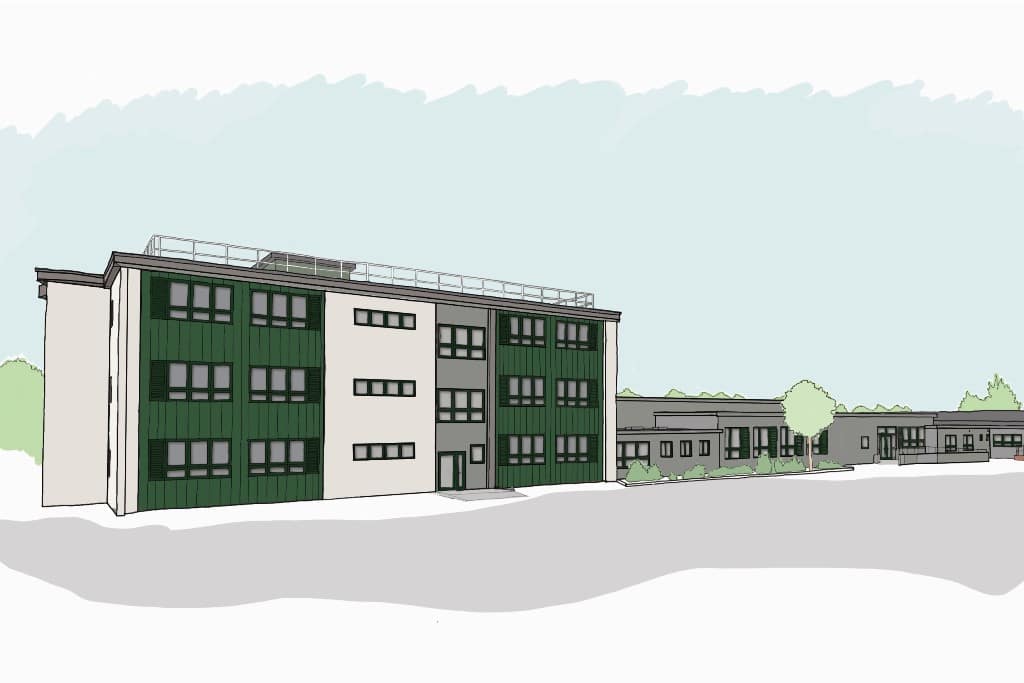

John Graham Construction is spearheading a £10m project to modernise Brunstane Primary School in Edinburgh, aiming for cutting-edge sustainability.
- The project, begun in October 2024, strives to transform the school into one of the greenest in the city, targeting carbon-neutral operations.
- New cladding, window replacements, and installation of an air source heat pump are central to the renovation efforts.
- Photovoltaic panels will enhance the building’s energy efficiency, contributing to the school’s sustainable operations.
- Throughout construction, the school will remain operational with temporary classrooms ensuring continuous learning for its 263 pupils.
In an ambitious move to enhance sustainability and energy efficiency, John Graham Construction has commenced work on the modernisation of Brunstane Primary School in Edinburgh. This project, valued at £10 million, involves a complete overhaul designed to achieve carbon neutrality upon completion. The aim is to position Brunstane as a leader in sustainable school operations, aligning with broader environmental goals set by the City of Edinburgh Council.
The project commenced in October 2024, with a completion target set for winter 2025. During this period, the school will undergo extensive refurbishments. Key elements include the installation of new cladding on both the exterior walls and roof, providing enhanced insulation and aesthetic appeal. Additionally, the entire window system will be replaced with energy-efficient alternatives, and floor finishes will be upgraded throughout the building.
A significant innovation included in this upgrade is the transition from a gas network to an electric heating system complemented by an air source heat pump. This change is expected to significantly reduce the school’s carbon footprint by minimising reliance on fossil fuels, thereby aligning with Scotland’s climate action targets.
Furthermore, the fitting of photovoltaic panels on the roof of the school’s main block will augment its energy independence by generating renewable electricity. This move not only reduces operational costs but also enhances the school’s sustainable energy credentials.
Accommodating its 263 students during the year-long construction project presents a logistical challenge, addressed by the installation of temporary classrooms. This solution ensures minimal disruption to the educational programme, allowing the school to maintain its operational capacity whilst significant renovations occur.
In executing this significant project, Graham demonstrates a commitment to sustainable construction that benefits both the environment and future generations.

