
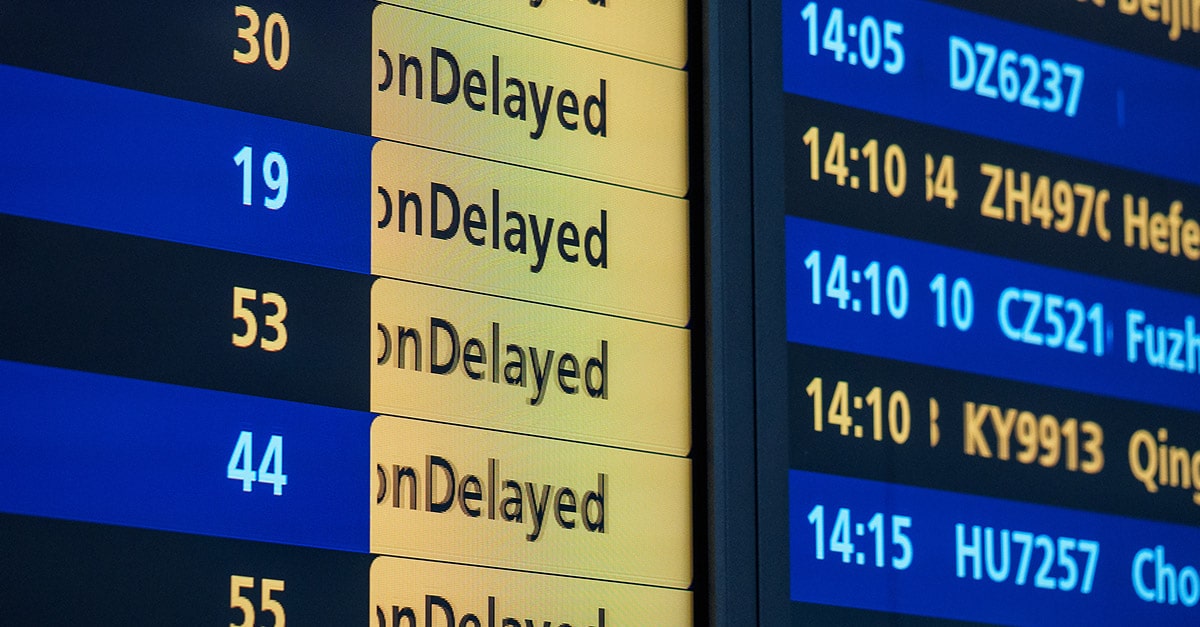

The August 2023 bank holiday air traffic control meltdown left a lasting impact on the UK’s aviation sector. With over 700,000 passengers affected, it underscored the vulnerabilities within existing flight planning systems. While the chaos unfolded, many were left questioning the efficacy of current protocols. This incident has since prompted an extensive independent review, offering insights and solutions for future resilience.
Conducted by the Civil Aviation Authority, the report delves into what went wrong and how similar disasters can be mitigated. With 34 recommendations issued, stakeholders, including the National Air Traffic Service (NATS), airlines, airports, and government bodies, are urged to collaborate for a better-coordinated response. The findings not only address immediate concerns but also propose long-term improvements to ensure robust air traffic management.
Background of the Incident
The air traffic control failure on the August 2023 bank holiday was a significant disruption impacting travel across the UK. Over 700,000 passengers faced issues, with flight cancellations and delays being widespread. The failure occurred within the National Air Traffic Service’s flight planning system, leading to a complete halt in airspace control operations for hours.
The incident was described as a ‘major failure’ by Jeff Halliwell, chair of the independent review panel. He noted that this disruption caused substantial distress, not only to passengers but also resulting in financial burdens for airlines and airports. This breakdown highlighted the deficiencies in the existing systems and necessitated an urgent review to prevent future occurrences.
Recommendations from the Review
The Civil Aviation Authority (CAA)’s final report offered 34 recommendations aiming to bolster the aviation sector’s response to similar incidents. These suggestions were targeted at the National Air Traffic Service (NATS), airlines, airports, and the government, urging systematic enhancements.
Among the key recommendations was the call for NATS to reassess its contingency plans and resource management. This includes improving communication with airlines and airports to ensure quicker notifications of possible disruptions.
The report also stressed the need for airlines and airports to enhance passenger support mechanisms, particularly focusing on vulnerable passengers and those travelling with children. Establishing a standardised way to disseminate information during major incidents was deemed crucial.
Sector-wide Implications
The CAA highlighted the sector-wide implications of the failure, pointing to how airlines, airports, and governing bodies must collaborate more effectively.
To safeguard consumer interests, the government was advised to modify legislation, aligning CAA’s enforcement powers with other sectors. Additionally, mandating Alternative Dispute Resolution (ADR) membership for all UK-operating airlines was suggested to resolve passenger grievances more efficiently.
Such measures are seen as vital to restoring confidence within the aviation sector, ensuring a more resilient infrastructure against potential disruptions.
Response and Implementation
In response to the findings, NATS has begun addressing the concerns raised internally before the report’s release. The aviation regulator committed to publishing regular updates on how it implements the recommendations.
The independent review panel emphasized the importance of learning from this incident, stating its intention to facilitate better management strategies for major disruptions in the future.
Transport secretary Louise Haigh also recognised the unprecedented nature of the IT failure, reaffirming her commitment to bolster the sector and ensure passenger confidence is restored through potential reforms and enhanced protections.
Statements from Key Figures
Jeff Halliwell remarked, ‘Our report sets out ways in which the aviation sector should work closely to ensure that passengers are better looked after during disruptions.’ His sentiment was echoed by CAA chief executive Rob Bishton, who stressed the sector-wide nature of the recommendations.
Bishton stated, ‘It’s vital we learn the lessons from this incident.’ He expressed gratitude towards the panel for their comprehensive and detailed review, which he believes will drive future improvements within the industry.
Transport secretary Louise Haigh stated her department’s intent to introduce reforms aimed at safeguarding air travellers, reflecting the government’s proactive approach to strengthening sector resilience.
The Role of Communication and Coordination
A key takeaway from the report is the necessity of clear communication and coordination between all stakeholders within the aviation sector. This includes real-time updates and coordinated efforts during emergencies.
The lack of a unified response capability was seen as a critical flaw, which the recommendations aim to address by promoting a shared framework for incident management.
The intent is to develop robust communication channels and ensure that passengers receive timely and effective information, minimising the stress and confusion during such events.
Lessons for Future Preparedness
The August 2023 incident serves as a stark reminder of the need for robust preparedness in the face of technology failures. It has underscored the fragility of existing systems under pressure, demanding future-proof solutions.
The recommendations encourage the incorporation of diverse scenario planning and regular simulation exercises to test the efficacy of emergency responses.
By doing so, the sector aims to build an adaptable framework capable of swiftly addressing any similar failures in the future.
Technological Enhancements
Technological advancements are at the forefront of preventing future disruptions. Ensuring robust and fail-safe systems is now a priority for NATS and other stakeholders.
Investments in cutting-edge technology with real-time monitoring capabilities are encouraged to detect and mitigate issues before they escalate. The emphasis is on building a more reliable infrastructure.
Conclusion and Path Forward
The report into the August 2023 air traffic control failure represents a comprehensive assessment of a critical incident within the aviation sector.
Stakeholders are urged to adopt the recommendations swiftly, creating a pathway towards enhanced safety and passenger confidence in air travel.
Understanding the failures of August 2023 is crucial for preventing future occurrences. By implementing the report’s recommendations, the aviation sector can enhance its resilience and ensure a smoother, more reliable travel experience for passengers. This marks a pivotal step in regaining public trust and strengthening aviation safety protocols.
